Health Articles
Find out more about your health here from our health professionals!
DIET AND LIFESTYLE APPROACHES FOR PREVENTION AND MANAGEMENT OF DIABETES
What is diabetes?
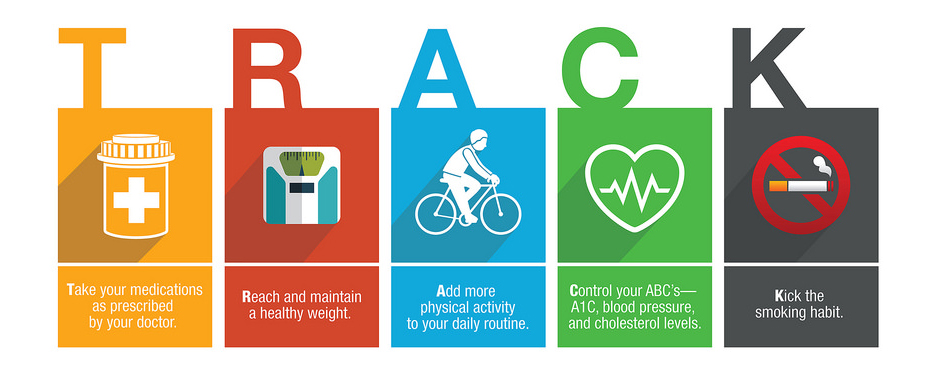
Diabetes is a chronic disease that occurs either when the pancreas does not produce enough insulin or when the body cannot effectively use the insulin it produces. Insulin is a hormone that regulates blood glucose. Hyperglycemia also known as high blood sugar is a common effect of uncontrolled diabetes and if continued over time will leads to deterioration of various body’s systems, especially the nerves and blood vessels.
What are the symptoms of diabetic patient?
Symptoms of diabetes may occur suddenly. In type 2 diabetes, the symptoms can be mild and may take years to be noticed. Symptoms of diabetes include:

Over time, diabetes can damage blood vessels in the heart, eyes and kidneys. People with diabetes have a higher risk of health problems including heart attack, stroke and kidney failure. Diabetes can cause permanent vision loss by damaging blood vessels in the eyes. Many people with diabetes develop problems with their feet due to nerve damage and poor blood flow. This can cause foot ulcers and may lead to amputation.
What is Therapeutic Diet?
A therapeutic diet is a meal plan that controls the intake of certain foods or nutrients. It is part of the treatment of a medical condition and are normally prescribed by a physician and planned by a dietician. A therapeutic diet is usually a modification of a regular diet. It is modified or tailored to fit the nutrition needs of a particular person.
Purpose of Therapeutic Diet:

Type of Therapeutic Diet:
Diabetic or calorie-controlled diet (ADA)
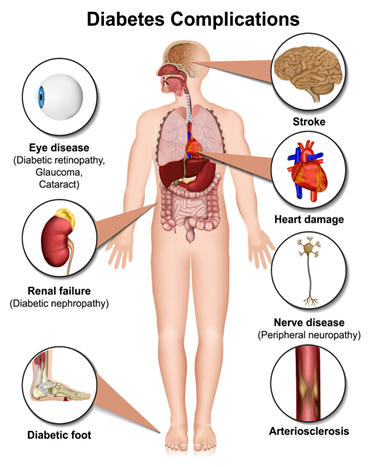
These diets control calories, carbohydrates, protein, and fat intake in balanced amounts to meet nutritional needs, control blood sugar levels, and control weight. The purpose of the diet is to keep the patient in good health, to keep blood sugar level within normal level and to keep urine free from sugar. Portion control is used at mealtimes as outlined in ADA “Exchange List for Meal Planning. The diet planning will be balanced but have restriction on carbohydrates like rice, biscuits, sugar, jams, sweets, honey and sweet potatoes. Most commonly used calorie levels are 1,200, 1,500, 1,800 and 2,000. Moreover, this diet used healthy fats that come from fish oils, olive oil, nuts, flaxseeds, avocados and high-fiber cereals made from whole grains, fresh fruits and veggies.
What are lifestyle approaches for prevention and management of diabetes?
Exercise
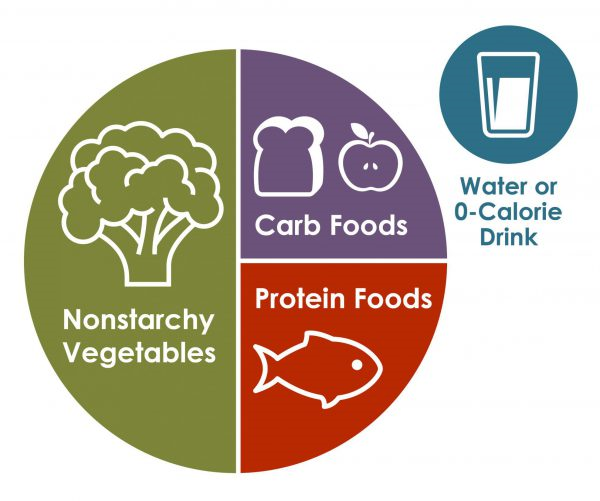
Physical activity is another important part of diabetes management plan. During workout, our muscles use sugar (glucose) for energy. Regular physical activity also helps our body use insulin more efficiently. These factors work together to lower the blood sugar level. The more strenuous the workout, the longer the effect lasts. However, even light activities such as housework, gardening or being on the feet for extended periods can improve blood sugar.

Management of stress
Stress may induce your body to release hormone cortisol which in turn triggers liver to release glucose. Thus, prolonged stress may cause a rise in blood sugar level. Additionally, it may be harder to closely follow usual diabetes management routine if an individual is under a lot of extra pressure. Patient with diabetic should learn relaxation techniques and avoid common stressors. Exercise can often help relieve stress and lower blood sugar level.

Monitoring of blood sugar
Diabetic patients, even healthy individual should monitor blood sugar levels regularly. This action can help everyone to maintain their sugar levels under normal range. Most importantly patient with diabetes should have their sugar levels recorded to ensure that their health is in optimal condition. Otherwise, patient with diabetes might not be aware whether their sugar level is in an acceptable range or have passed a dangerous level.

Take medication on time
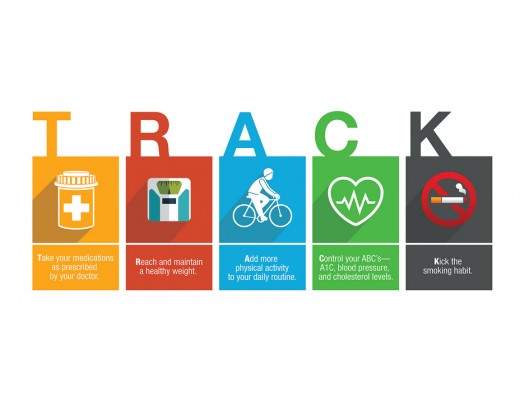
Alongside lifestyle modification such as nutrient-dense diet and regular exercise, a person with type 2 diabetes might need to manage their blood sugar levels through medication that was prescribed by a doctor. In order to ensure their blood glucose is always under control, diabetic patient must take precaution to always consume their medication on time.
Conclusion
In conclusion, appropriate diet and lifestyle approach is important in preventing and managing diabetes. Diet which are rich is fibers, low carbohydrates and healthy fats helps in management of normal blood sugar level. Together with this, physically active, good management of stress and regular monitoring of sugar level gives more benefits in the prevention and management of diabetes. So let’s live healthy!!
References
Ghosh, Amrita. (2018). Therapeutic Diet: What We Need to Consider. Bengal Physician Journal. 5. 25-27. 10.5005/jp-journals-10070-5209.
Tarigan, Rinawati. (2022). hubungan gaya hidup dengan terjadinya penyakit diabetes melitus di rsu daerah dr r.m djoelham. Jurnal Keperawatan Priority. 5. 94-102. 10.34012/jukep.v5i1.2105.

6 SUPERFOOD LISTS THAT YOU SHOULD ADD TO YOUR DIET!

Superfood?
In a world constantly on the move, maintaining a healthy body is profound as it could put a halt to everyday requirement including work and social life. Therefore, the choices we make about the food we consume are perhaps the most influential decisions we make daily, as it doesn’t just shape our individual health but also the collective vitality of generations to come. Superfoods, packed with essential nutrients, can play a significant role in promoting health and preventing various diseases. However not a single food can provide all the nutrients, health benefits and energy we need for our body. According to 2015–2020 US Dietary Guidelines, “a healthy eating pattern is combining healthy choices from across all food groups while paying attention to calorie limits.” This article aims to highlight a list of essential superfoods that should be included in your diet to ensure optimal health and vitality.
List of Superfoods
- BERRIES

Berries are considered beneficial to our health due to its high antioxidant content, particularly anthocyanin. These compounds have been linked to the abilities that may help protect the body from heart disease and reduce inflammation. Some of the most well-known berries are Strawberries, Blueberries, Blackberries and Cranberries. Cheatham et al. (2023) found that regularly eating blueberries may improve memory and delay age-related cognitive decline. The result proved that the potential consumption of blueberries has supported neural functioning. Besides, eating berries can also be effective in treating various digestive and immune-related disorders combined with established treatment or therapies (Govers et al., 2018). There is various ways to enjoy berries as it can be part of your breakfast plate, a smoothie or a dessert.
- FATTY FISHES

Fatty fishes contain Omega-3 fatty acids eicosapentaenoic acid (EPA) and docosahexaenoic acid (DHA), which are essential for cardiovascular health and brain function. Furthermore, these fatty acids help in reducing inflammation, preventing fat deposited in the arteries, improving blood flow and reducing triglyceride levels (Shahidi & Ambigaipalan, 2018). Our body cannot produce omega 3 fatty acids naturally. Therefore, it must be obtained through diet. Fatty fish such as salmon, sardine and mackerel are excellent sources of omega 3 and it is highly nutritious packed with `healthy fats’, protein, vitamin B, and minerals such as potassium and selenium. It is one of the best source to reduce inflammation and may help reduce the risk of cardiovascular issues (Zivkovic et al. 2011).
!! the serving of fatty fish is limited to one to two servings weekly due to the risk of heavy metal contamination in larger fish.
- QUINOA
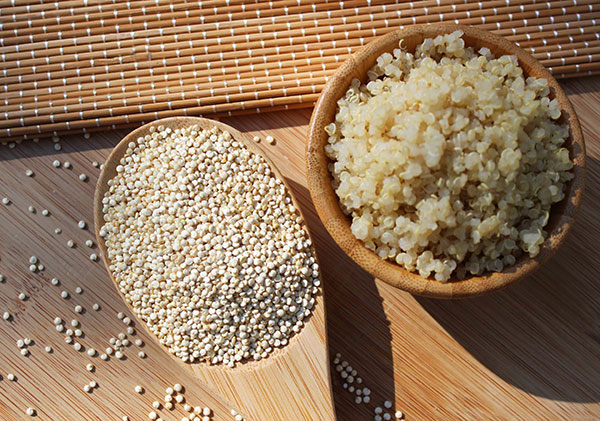
Quinoa is one of the many varieties of whole grain. Whole grains are made up of all three components of the grain. There are numerous varieties, such as whole wheat and whole corn, oats, brown rice and quinoa. Seal (2006) stated that whole grains provide a variety of essential elements such as vitamins, minerals, protein, fiber, and other beneficial plant compounds. Fiber content in whole grains helps to reduce bad cholesterol levels (LDL), blood pressure and aids in weight loss as it can create a feeling of fullness. For instance, Quinoa is a complete protein and is a great alternative to traditional grains. It contains high fiber, vitamins, and minerals, making it a great addition to any balanced diet (Carreiro et al. 2016). A combination of quinoa with high protein food in a daily diet provides you with a variety of health benefits to support your gut health and body weight management.
- DARK LEAFY VEGETABLES

Dark leafy vegetables are a crucial part in every diet as they are packed with a bunch of nutrients such as vitamins, minerals and fibre. According to Malaysian Food Pyramid 2020, the recommended intakes for vegetables are more than 3 servings in a daily food intake. There are some examples of dark leafy vegetables that you can add in your diet such as Kale. Kale is a nutrient powerhouse, rich in vitamins A, C, and K, as well as calcium and fibre. It contains antioxidants and compounds that may help protect against certain types of cancer (Ortega et al. 2021). Besides, spinach is also one of the vegetables that are often on the list of the healthiest foods. Spinach is filled with nutrients such as vitamins, minerals, and antioxidants. It is also an excellent source of iron and folate, crucial for increasing hemoglobin in blood and preventing anemia symptoms.
- YOGURT

Yogurt is a superfood that should be included in your healthy diet list. It is not only diverse, but has numerous health benefits and abundant with nutrients such as protein and calcium. It is a good source of probiotic equipped with detoxifying properties making it ideal for weight loss and beneficial to your skin. Furthermore, yoghurt is packed with healthy bacteria, which can aid digestion, promote gut health and protect from colon cancer (Kim CE et al. 2022). In addition, consumption of dairy products such as yogurt helps in strengthening body’s immunity and prevention from viral infections due to their beneficial effect that has been mainly attributed to its probiotic.
- SWEET POTATOES

Sweet potatoes scientifically known as Ipomoea batatas, are a versatile and nutritious root vegetable that has captured the palates and hearts of people around the world. With their vibrant colours, rich flavours, and numerous health benefits, sweet potatoes have earned their place not only on dinner plates but also in culinary traditions and discussions about wellness. One of the most striking features of sweet potatoes is their spectrum of colors, which ranges from pale yellows to deep oranges and even purples. This diverse color palette is indicative of the variety of nutrients and antioxidants they contain. The vibrant orange hue, for instance, is a sign of their high beta-carotene content, a precursor to vitamin A that supports vision, immune function, and skin health (Johra FT et al. 2020).
Conclusion
Incorporating a variety of superfoods into your diet can have a profound impact on your overall health and well-being. These nutrient-dense foods provide a wide array of vitamins, minerals, antioxidants, and other beneficial compounds that support various bodily functions and help protect against chronic diseases. By including superfoods like berries, quinoa, fatty fishes, green leafy vegetables, yogurt, and sweet potatoes, you can create a foundation for a balanced and nutritious diet that promotes long-term health. Remember, a diverse and colorful plate is key to reap the full benefits of these incredible superfoods!
References
- Cheatham CL, Canipe LG 3rd, Millsap G, Stegall JM, Chai SC, Sheppard KW, Lila MA. Six-month intervention with wild blueberries improved speed of processing in mild cognitive decline: a double-blind, placebo-controlled, randomized clinical trial. Nutr Neurosci. 2023 Oct;26(10):1019-1033. doi: 10.1080/1028415X.2022.2117475. Epub 2022 Sep 6. PMID: 36066009.
- Govers C, Berkel Kasikci M, van der Sluis AA, Mes JJ. Review of the health effects of berries and their phytochemicals on the digestive and immune systems. Nutr Rev. 2018 Jan 1;76(1):29-46. doi: 10.1093/nutrit/nux039. PMID: 29087531.
- Zivkovic AM, Telis N, German JB, Hammock BD. Dietary omega-3 fatty acids aid in the modulation of inflammation and metabolic health. Calif Agric (Berkeley). 2011 Jul;65(3):106-111. doi: 10.3733/ca.v065n03p106. PMID: 24860193; PMCID: PMC4030645.
- Shahidi F, Ambigaipalan P. Omega-3 Polyunsaturated Fatty Acids and Their Health Benefits. Annu Rev Food Sci Technol. 2018 Mar 25;9:345-381. doi: 10.1146/annurev-food-111317-095850. PMID: 29350557.
- Seal CJ. Whole grains and CVD risk. Proc Nutr Soc. 2006 Feb;65(1):24-34. doi: 10.1079/pns2005482. PMID: 16441941.
- Carreiro AL, Dhillon J, Gordon S, Higgins KA, Jacobs AG, McArthur BM, Redan BW, Rivera RL, Schmidt LR, Mattes RD. The Macronutrients, Appetite, and Energy Intake. Annu Rev Nutr. 2016 Jul 17;36:73-103. doi: 10.1146/annurev-nutr-121415-112624. PMID: 27431364; PMCID: PMC4960974.
- Ortega-Hernández E, Antunes-Ricardo M, Jacobo-Velázquez DA. Improving the Health-Benefits of Kales (Brassica oleracea L. var. acephala DC) through the Application of Controlled Abiotic Stresses: A Review. Plants (Basel). 2021 Nov 29;10(12):2629. doi: 10.3390/plants10122629. PMID: 34961097; PMCID: PMC8706317.
- Kim CE, Yoon LS, Michels KB, Tranfield W, Jacobs JP, May FP. The Impact of Prebiotic, Probiotic, and Synbiotic Supplements and Yogurt Consumption on the Risk of Colorectal Neoplasia among Adults: A Systematic Review. Nutrients. 2022 Nov 21;14(22):4937. doi: 10.3390/nu14224937. PMID: 36432622; PMCID: PMC9697560.
- Johra FT, Bepari AK, Bristy AT, Reza HM. A Mechanistic Review of β-Carotene, Lutein, and Zeaxanthin in Eye Health and Disease. Antioxidants (Basel). 2020 Oct 26;9(11):1046. doi: 10.3390/antiox9111046. PMID: 33114699; PMCID: PMC7692753.

AMAZING HEALTH BENEFITS AND SOURCES OF MAGNESIUM FOR CHILDREN INTAKE
Magnesium, one of the abundant minerals in the body, is found naturally in foods, added to food products, available as a dietary supplement, and present in some medicines. Energy synthesis, oxidative phosphorylation, and glycolysis all require magnesium. It is necessary for the production of DNA, RNA, and antioxidant glutathione besides helping in the structural development of bone. Magnesium is also involved in the active transport of calcium and potassium ions across cell membranes, which is important for nerve impulse transmission, muscle contraction, and appropriate heart rhythm.
Magnesium deficiency is not very common in children. However, as more children consume more processed foods, magnesium deficiency is becoming more common nowadays. Magnesium deficiency can also occur in children with digestive disorders such as celiac disease, chronic diarrhea, or type 2 diabetes. Loss of appetite, nausea, vomiting, fatigue, and weakness are the first signs of deficiency in children. When it becomes severe, it may lead to numbness, tingling, and muscle cramps. Magnesium deficiency in children can also cause sadness, difficulties in focusing, insomnia, and anxiety (NIH, 2022).
HEALTH BENEFITS OF MAGNESIUM
Magnesium is one of the important minerals needed for children as it plays a vital part in wide range of enzymatic functions in the body. As the body requires magnesium for numerous biological functions, its deficiency can have a significant effect. This is especially important for infants, toddlers and teenagers, who rely on these processes to grow and function normally.
Magnesium has a wide range of benefits for children, which include promoting restful sleep. Sleep issues can affect people of any age, but children are more prone to suffer from them. Lack of magnesium are linked to sleeplessness as magnesium is thought to promote and regulate GABA, a neurotransmitter that promotes sleep. Thus, increasing child’s magnesium levels in tiny amount can help to promote sleep (Doherty et al., 2019).
Magnesium also acts as a guide that direct calcium to the bones. Calcium and magnesium work together to promote bone density and growth. Calcium is not effectively absorbed into the bones without magnesium. Furthermore, there is a higher risk of weakened bones if the magnesium level falls too low (Ciosek et al., 2021).
Commonly, children are still unable to manage their emotions and moods, thus taking magnesium can help to create calm and peaceful feeling. It can help to relieve stress and increase children’s mood. As such, magnesium-rich diet is also advised for children with attention-deficit hyperactivity disorder (ADHD) in order to reduce hyperactivity and agitation (Robberecht et al., 2020).
Additionally, magnesium provides constipation relief by working as a natural stool softener. Magnesium aids with bowel movement, which help to soften the stool by increasing water in the intestines. The increase in water stimulates bowel movement, besides softening the stool, making the stool easier to pass (Terri, 2021).
SOURCES OF MAGNESIUM
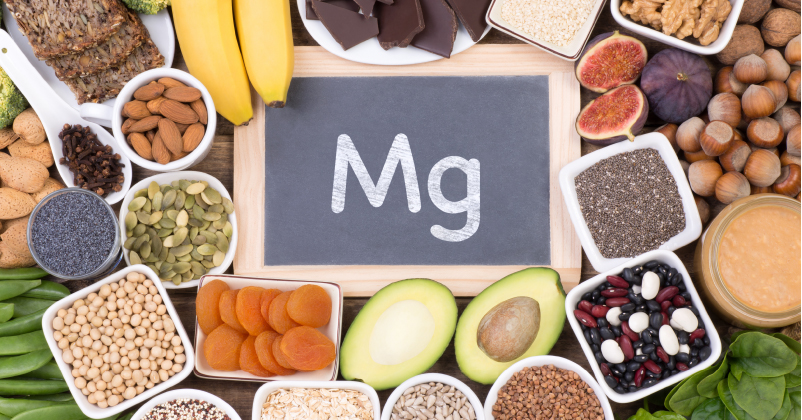
Magnesium is important for the proper functioning of hundreds of enzymes and aids to promote healthy bones. Deficiency of magnesium might cause development issues in children. Thus, it is important to know what are the best sources to get magnesium from your diet (Patwal, 2023). Magnesium is abundantly present in plant and animal-sourced foods. Green leafy vegetables, legumes, nuts, seeds, and whole grain are all good sources of magnesium. In general, magnesium can be found in foods containing dietary fiber. Magnesium is also added into some breakfast cereals and other fortified foods (NIH, 2022).
Some examples of magnesium-rich foods that can be included in daily diet are soy products, such as tofu, soy milk, and soybeans. Other than that, legumes and seeds also good source of magnesium besides nuts such as almonds and cashews. Consuming almond butter and almond milk can be a good alternative too. Whole grain breads and breakfast cereals can be a good option too as magnesium is also fortified into them. Bananas, potatoes, and dried apricots are some of the sources other than green leafy vegetables, such as avocados and spinach (Golisano Children’s Hospital, 2023).
Healthy foods usually offer all the nutrients needed by our body. However, given today’s children’s eating habits, supplement containing magnesium can be considered to fulfil the daily recommended intake.
RECOMMENDED INTAKE OF MAGNESIUM
The amount of magnesium needed by the body usually depend on the age and sex. For infants aged zero to six months, it is recommended to take 30mg/day, while for infants aged seven to twelve months, it is recommended to take 75mg/day. Children aged between one to three years old, on the other hand, need 80mg/day. While, for those aged four to eight years old need 130mg/day. For adolescent aged nine to thirteen years old, they may need 240mg/day, while for boys and girls aged between fourteen to eighteen years old, need 410mg/day and 360mg/day of magnesium, respectively (RNI, 2017).
CONCLUSION
In conclusion, magnesium serves as an important mineral needed by the body for various functions. It is considered as one of the essential mineral children need for healthy growth and development. In children, magnesium may offer benefits such as to promote sleep, support neurological function, improve mood, and aid in the muscle development. Lack of magnesium in children may lead to fatigue, muscle weakness, irritability, and delayed growth and development. Thus, it is important to take healthy diet in order to make sure magnesium are taken according to the recommendation. When the intake cannot meet the recommendation, magnesium supplements may be a good idea to combat the insufficiency.
REFERENCES
Ciosek, A., Kot, K., Kosik-Bogacka, D., Łanocha-Arendarczyk, N., & Rotter, I. (2021, March 28). The Effects of Calcium, Magnesium, Phosphorus, Fluoride, and Lead on Bone Tissue. Biomolecules; Multidisciplinary Digital Publishing Institute. https://doi.org/10.3390/biom11040506
Doherty, R., Madigan, S. M., Warrington, G. D., & Ellis, J. (2019, April 11). Sleep and Nutrition Interactions: Implications for Athletes. Nutrients; Multidisciplinary Digital Publishing Institute. https://doi.org/10.3390/nu11040822
Golisano Children’s Hospital. (2023). Magnesium-Rich Foods – Pediatric Nutrition. Galisano Children’s Hospital. Retrieved October 7, 2023, from https://www.urmc.rochester.edu/childrens-hospital/nutrition/magnesium-foods.aspx
NIH. (2022, June 2). Magnesium – Fact Sheet for Health Professionals. National Institutes of Health (NIH). Retrieved October 7, 2023, from https://ods.od.nih.gov/factsheets/Magnesium-HealthProfessional/#:~:text=Magnesium%20is%20a%20cofactor%20in,%2C%20oxidative%20phosphorylation%2C%20and%20glycolysis.
Patwal, S. (2023, July 18). Magnesium For Kids: Importance, Best Sources And Supplements. MomJunction. https://www.momjunction.com/articles/magnesium-rich-foods-for-your-kids_00104129/
Robberecht, H., Verlaet, A. A. J., Breynaert, A., De Bruyne, T., & Hermans, N. (2020, September 27). Magnesium, Iron, Zinc, Copper and Selenium Status in Attention-Deficit/Hyperactivity Disorder (ADHD). Molecules; Multidisciplinary Digital Publishing Institute. https://doi.org/10.3390/molecules25194440
RNI. (2017). Recommended Nutrient Intakes for Malaysia 2017. Ministry of Health (MoH). Retrieved October 7, 2023, from https://hq.moh.gov.my/nutrition/wp-content/uploads/2017/05/FA-Buku-RNI.pdf
Terri. (2021, March). Magnesium for Constipation. Michigan Medicine, University of Michigan. Retrieved October 7, 2023, from https://www.med.umich.edu/1libr/MBCP/Magnesium.pdf

INTERMITTENT FASTING DIET PLAN FOR WEIGHT LOSS

INTRODUCTION
Periods of voluntary moderation from food and drink (i.e., intermittent fasting) has been practiced since earliest ancient times by peoples around the globe. Books on ethnology and religion describe a remarkable variety of fasting forms and practices. Renewed interest in fasting regimens is evidenced by an excess of popular press publications and diet recommendations (Brongers,1997).

Intermittent Fasting vs Calories Restriction
While entering the discussion about intermittent fasting, it is important to understand the difference between caloric restriction and intermittent fasting. Calorie restriction (CR) is a reduction in total caloric intake that does not result in malnutrition. This has consistently been found to result in decreased body weight and increased longevity in many species, including non-human primates. Among overweight humans, short-term CR (6-months) has been shown to significantly improve multiple cardiovascular risk factors, insulin sensitivity, and mitochondrial function. Likely due to these physiological changes, clinical trials indicate CR may have several beneficial effects among overweight adults, in addition to weight loss. However, over the past several decades, obesity intervention trials have revealed that most individuals experience difficulties sustaining daily CR for extended periods of time.
Types of Intermittent Fasting
More studies are needed to evaluate mechanisms, efficacy in humans, target populations, and safety of intermittent fasting. There are numerous intermittent fasting regimens ranging from 12- to 16-hour daily fasts to 5:2 strategy, and it remains uncertain which strategy is the best for cardiovascular health, especially with evidence suggesting that intermittent fasting regimens should follow circadian rhythms. Some of the most common ways are:
The 16:8 method
16:8 intermittent fasting method is a form of time-restricted fasting. It works by allowing consumption of foods during an 8-hour window and avoiding food or fasting for the remaining 16 hours each day. People who follows the 16:8 method abstain from taking food at night and for part of the morning and evening. During the middle of the day, they tend to consume their daily calories (NA, 2020). This method of intermittent fasting can be repeated as often as you’d like or even done once or twice. Finding the right eating and fasting windows for this method might take a few days to figure out, especially if you’re very active or if you wake up hungry for breakfast.

The 5:2 method
This approach to intermittent fasting focuses on capping your calories at 500 for two days a week. During the other five days of the week, you maintain a healthy and normal diet. On fasting days, this approach usually includes a 200-calorie meal and a 300-calorie meal. It’s important to focus on high-fiber and high-protein foods to help fill you up and keep calories low when fasting (menshealth.com, 2019)

The eat-stop-eat method
It’s a method of intermittent fasting which involves two, non-consecutive, 24 hour fasts per week. That means that two days a week, you’ll eat just one meal. Whether that’s breakfast, lunch, or dinner is up to you, and you can vary it as you wish. An example week might look like this:

Benefit of Intermittent Fasting
Help weight loss
Trepanowski et al., 2017, compared the effects of alternate-day fasting vs. daily calorie restriction on weight loss, weight maintenance, and risk indicators for cardiovascular disease. This was a randomized clinical trial of obese adults (18 to 64 years of age; mean body mass index, 34) at a single-centre academic institution in Chicago. Participating individuals were randomized to one of three groups for one year: alternate-day fasting (25% of energy needs on fast days; 125% of energy needs on alternating “feast days”), calorie restriction (75% of energy needs every day), or a no-intervention control. The primary outcome was a change in body weight.
Secondary outcomes were adherence to the dietary intervention and risk indicators for cardiovascular disease. Over the course of 12 months, the control group maintained their weight around the baseline weight, while the alternate-day fasting and daily caloric restriction groups, by 6 months, both exhibited a lowest point in weight 7% below the baseline weight (not significantly different from each other before exhibiting some later weight gain, ending at 12 months approximately 4.5% below starting weight. There was a 38% dropout in the alternate-day fasting group compared to 29% in the daily calorie restriction group and 26% in the control group. Overall, the authors concluded that alternate-day fasting did not improve health beyond calorie restriction.
Help in blood sugar
There are several proposed mechanisms regarding the development of insulin resistance. One prominent theory relates to associations between increased adiposity and subsequent chronic inflammation, leading to the development of insulin resistance in tissues. Intermittent fasting can decrease adiposity and related insulin resistance through reduced caloric intake and metabolic reprogramming. Another hypothesis is that decreased energy intake, such as that achieved through intermittent fasting, will cause a prolonged decrease in insulin production and increased levels of AMPK, which likely plays a role in the improvements in insulin sensitivity and glucose homeostasis.
CONCLUSION
In summary, intermittent fasting has shown positive effects on weight loss, in addition to reducing insulin resistance and favourably shifting the levels of leptin and adiponectin. Pre-clinical and clinical studies have demonstrated that intermittent fasting has a wide range of benefits for many diseases, including obesity, T2DM, and hypertension, and in improving cardiovascular risk factors. One argument against intermittent fasting is that, despite extensive animal data, many clinical trials have failed to show as significant improvements of intermittent fasting over caloric restriction.
REFERENCES
- Brongers HA. Instruction and Interpretation: Studies in Hebrew Language, Palestinian Archaeology and Biblical Exegesis. Belgium: Brill Academic Pub.; 1997.
- Kerndt P.R., Naughton J.L., Driscoll C.E., Loxterkamp D.A. Fasting: The history, pathophysiology and complications. West. J. Med. 1982;137:379–399.
- Moro T, Tinsley G, Bianco A, et al. Effects of eight weeks of timerestricted feeding (16/8) on basal metabolism, maximal strength, body composition, inflammation, and cardiovascular risk factors in resistance-trained males. J Transl Med 2016;14:290
- Nowosad K., Sujka M. Effect of Various Types of Intermittent Fasting (IF) on Weight Loss and Improvement of Diabetic Parameters in Human. Curr. Nutr. Rep. 2021;10:146–154. doi: 10.1007/s13668-021-00353-5.
- https://www.healthline.com/nutrition/16-8-intermittent-fasting
- https://simple.life/blog/eat-stop-eat-plan/
- Trepanowski J.F., Kroeger C.M., Barnosky A., Klempel M.C., Bhutani S., Hoddy K.K., Gabel K., Freels S., Rigdon J., Rood J., et al. Effect of Alternate-Day Fasting on Weight Loss, Weight Maintenance, and Cardioprotection Among Metabolically Healthy Obese Adults: A Randomized Clinical Trial. JAMA Intern. Med. 2017;177:930–938. doi: 10.1001/jamainternmed.2017.0936
- Albosta M., Bakke J. Intermittent fasting: Is there a role in the treatment of diabetes? A review of the literature and guide for primary care physicians. Clin. Diabetes Endocrinol. 2021;7:3. doi: 10.1186/s40842-020-00116-
- NA (2020), A Guide To 16:8 Intermittent Fasting. https://www.medicalnewstoday.com/articles/324882#summary

SYMPTOMS AND COMPLICATIONS OF MAGNESIUM DEFICIENCY IN CHILDREN

Introduction
Magnesium (Mg2+), is an abundant mineral in the body, plays a key role in many essential cellular processes such as:
- intermediary metabolism,
- DNA replication and repair,
- transporting potassium and calcium ions,
- cell proliferation together with signaling transduction
For children, magnesium is crucial as it helps in muscle relaxation and activation of vitamin D and calcium to help keep bones strong. In addition, magnesium plays an important role in helping:
- to regulate heartbeat
- preventing tooth decay and
- supporting the immune system when the body is under stress.
Factors that contribute to magnesium deficiency
Magnesium deficiency can be caused by a variety of circumstances, but the main cause in children is usually a poor diet management.
Magnesium is known to be depleted by stress, strenuous activity, and a diet high in refined sugar and carbs. It’s crucial to note that anxiety and stress affect children too, which causes them to regularly consume a diet high in sugar and refined carbohydrates.

Other than that, factors that can reduce the absorption of magnesium include a low protein diet, a high saturated fat diet, a prevalent western diet which leads to vitamin D deficiency, a lack of sunlight exposure and medications commonly given to children, such as antibiotics, inhaled corticosteroids, antihistamines and antacids (Magnesium: A Vital Nutrient for Children, n.d.).
Symptoms and complications of magnesium deficiency
Symptomatic magnesium deficiency in children is not very common. However, habitually low intakes or excessive losses of magnesium due to certain health conditions, and/or the use of certain medications can lead to magnesium deficiency.

Symptoms of worsened magnesium deficiency can include:
- numbness
- tingling
- muscle spasms or cramps
- severe symptoms related to irregular heartbeats and seizures (Signs and Consequences When Children Lack Magnesium | Vinmec, n.d.).
- Severe magnesium deficiency can result in hypocalcemia or hypokalemia (low serum calcium or potassium levels, respectively) because mineral homeostasis is disrupted.
- A magnesium deficiency can also affect a child’s behavior such as sadness (irritability or hyperactivity), difficulty concentrating, insomnia, and anxiety (“Diet. Ref. Intakes Calcium, Phosphorus, Magnesium, Vitam. D, Fluoride,” 1997).
When a child’s body lacks magnesium, it may affect their growth rate causing them to be underdeveloped in height and have small skeletal muscles. Besides, children with magnesium deficiency often have behavioural disorders such as aggression, depression and anxiety. Children who are deficient in magnesium are more likely to have weak muscles, experience muscle spasms, and are more prone to cramps because magnesium is involved in the process of relaxation of muscles.
Recommended intake of magnesium and source of magnesium
The amount of magnesium the body needs depends on age and gender. Based on the Recommended Nutrient Intake for Malaysia (RNI), the average recommended amount of magnesium per day according to age is as follows:
Age
RNI
<6 months
7-12 months
1-3 years old
4-8 years old
9-13 years old
14-18 years old male
14-18 years old female
30 mg/day
75 mg/day
80 mg/day
130 mg/day
240 mg/day
410 mg/day
360 mg/day
The Dietary Guidelines for Americans describe a healthy dietary pattern as one that includes a variety of vegetables; fruits; grains (at least half whole grains); fat-free and low-fat milk, yogurt, and cheese; and oils.
Whole grains and dark-green leafy vegetables are good sources of magnesium. Low-fat milk and yogurt contain magnesium as well.
Some ready-to-eat breakfast cereals are fortified with magnesium. Also, dried beans, legumes (such as soybeans, baked beans, lentils, and peanuts) and nuts (such as almonds and cashews) also provide magnesium (Magnesium – Health Professional Fact Sheet, n.d.).
Conclusion
In children, symptomatic magnesium deficiency is uncommon, but it can be triggered by habitual low intake, excessive losses due to specific health conditions, and certain medications. Early signs include loss of appetite, nausea, vomiting, fatigue and weakness. If ignored, these symptoms could become more severe and show up as tingling, numbness, muscle spasms, or even convulsions. This deficit may result in diseases like hypocalcemia or hypokalemia, which disturb the balance of minerals in the body and prevent children from growing and developing their muscles properly.
References
Dietary Reference Intakes for Calcium, Phosphorus, Magnesium, Vitamin D, and Fluoride. (1997). Dietary Reference Intakes for Calcium, Phosphorus, Magnesium, Vitamin D, and Fluoride. https://doi.org/10.17226/5776
Magnesium: A Vital Nutrient for Children. (n.d.). Retrieved September 14, 2023, from https://www.printfriendly.com/p/g/pcGdNy
Magnesium – Health Professional Fact Sheet. (n.d.).
Ministry of Health Malaysia. (2005). Recommended Nutrient Intakes for Malaysia 2005. In Ministry of Health Malaysia.
SARAVANAMUTTO, K. (n.d.). MAGNESIUM DEFICIENCY IN KIDS. https://www.nourishedbeginnings.ca/blog1/magnesium-deficiency-in-kids-what-you-should-know#:~:text=Yes%2C deficiency can also impact,the behaviours above (7)
Signs and consequences when children lack magnesium | Vinmec. (n.d.).