Joint pain can be a common issue for many people, especially as they age. Natural remedies are becoming increasingly popular for their gentle and holistic approach to pain relief. Here are some natural remedies that may help reduce joint pain and improve mobility:
1. Turmeric
Turmeric contains curcumin, a powerful anti-inflammatory compound. It can help reduce swelling and relieve pain. You can add turmeric to your meals or take it as a supplement to enjoy its benefits.
2. Ginger
Ginger has been used for centuries as a natural remedy for pain and inflammation. It can be consumed fresh, in tea, or as a supplement to help reduce joint pain caused by inflammation.
3. Epsom Salt
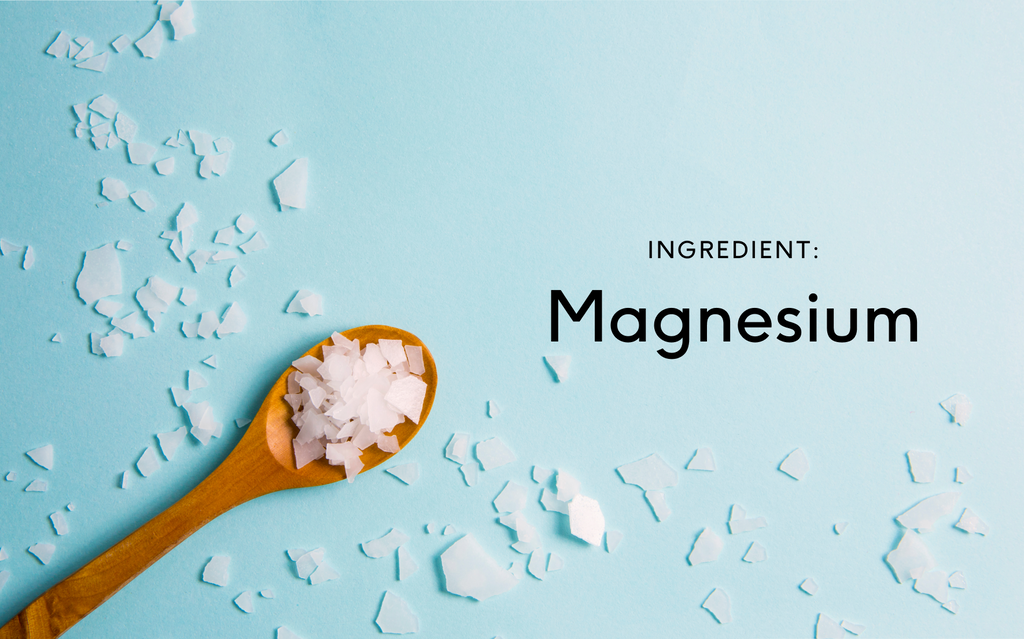
Soaking in a warm bath with Epsom salt can soothe aching joints. The magnesium in the salt is absorbed through the skin and may help reduce inflammation and relieve pain.
4. Fish Oil
Rich in omega-3 fatty acids, fish oil can help reduce joint stiffness and inflammation. Regular consumption of fish oil may support joint health and reduce the discomfort caused by conditions like arthritis.
5. Massage and Stretching
Gentle massage and stretching exercises can improve circulation, reduce stiffness, and promote flexibility in the joints. Consider incorporating yoga or other low-impact exercises into your routine for long-term joint health.
6. Hot and Cold Therapy
Alternating between hot and cold treatments can help manage joint pain. Cold packs reduce swelling, while heat promotes blood flow and relaxes muscles around the joints.
7. Apple Cider Vinegar
Apple cider vinegar contains acetic acid, which may help break down minerals and toxins that can build up in the joints. A tablespoon of apple cider vinegar in warm water may ease discomfort when taken daily.
Natural remedies for joint pain can complement traditional treatments and may offer relief without the side effects of medications. As always, it's important to consult with a healthcare provider before starting any new treatment.
Rushing for work and no time to do your make up? Spending too much money on cosmetics? Don’t worry, you still can pamper yourself. Nutritious food and a healthy lifestyle can help to enhance your beauty.
1. Vitamins and Minerals for Skin Health
Certain nutrients are essential for maintaining healthy skin:
Vitamin C: Found in citrus fruits and berries such as kiwi, strawberries and oranges. Vitamin C is a powerful antioxidant which can protect against radical damage and boost collagen production.
Vitamin E: Mostly found in avocados, almond and sunflower seeds. Vitamin E is a good oil that helps reduce UV damage to our skin. Also, it helps in scar and wound healing.
Zinc. Reduce inflammation and protect against UV radiation
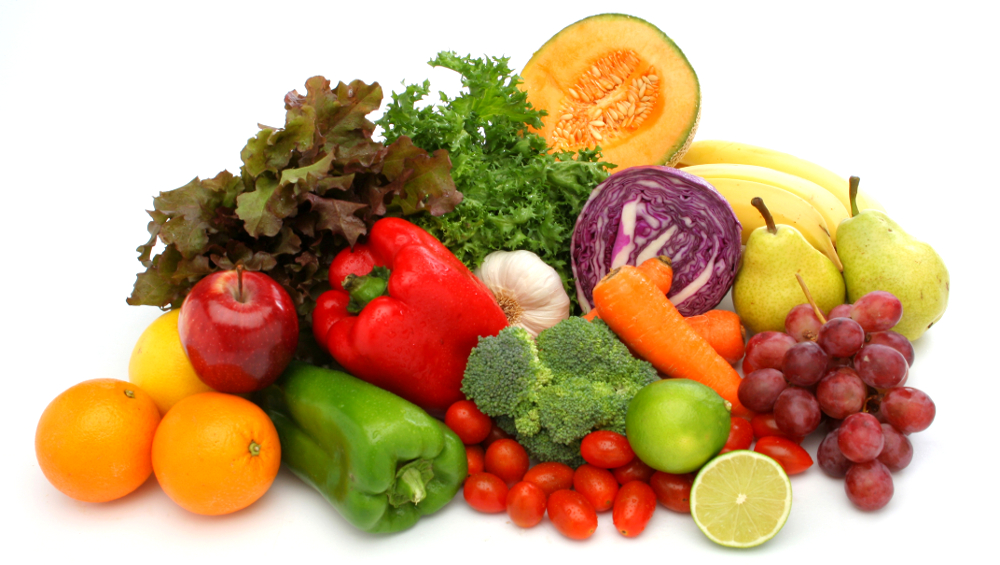
Majority of vitamins and minerals can be gained from fruits and vegetables. Try to incorporate green leafy vegetables in every meal and consume at least one serving of fruits after main meals to help fulfill your daily dose of vitamins.
2. Protein for Strong Hair and Nails
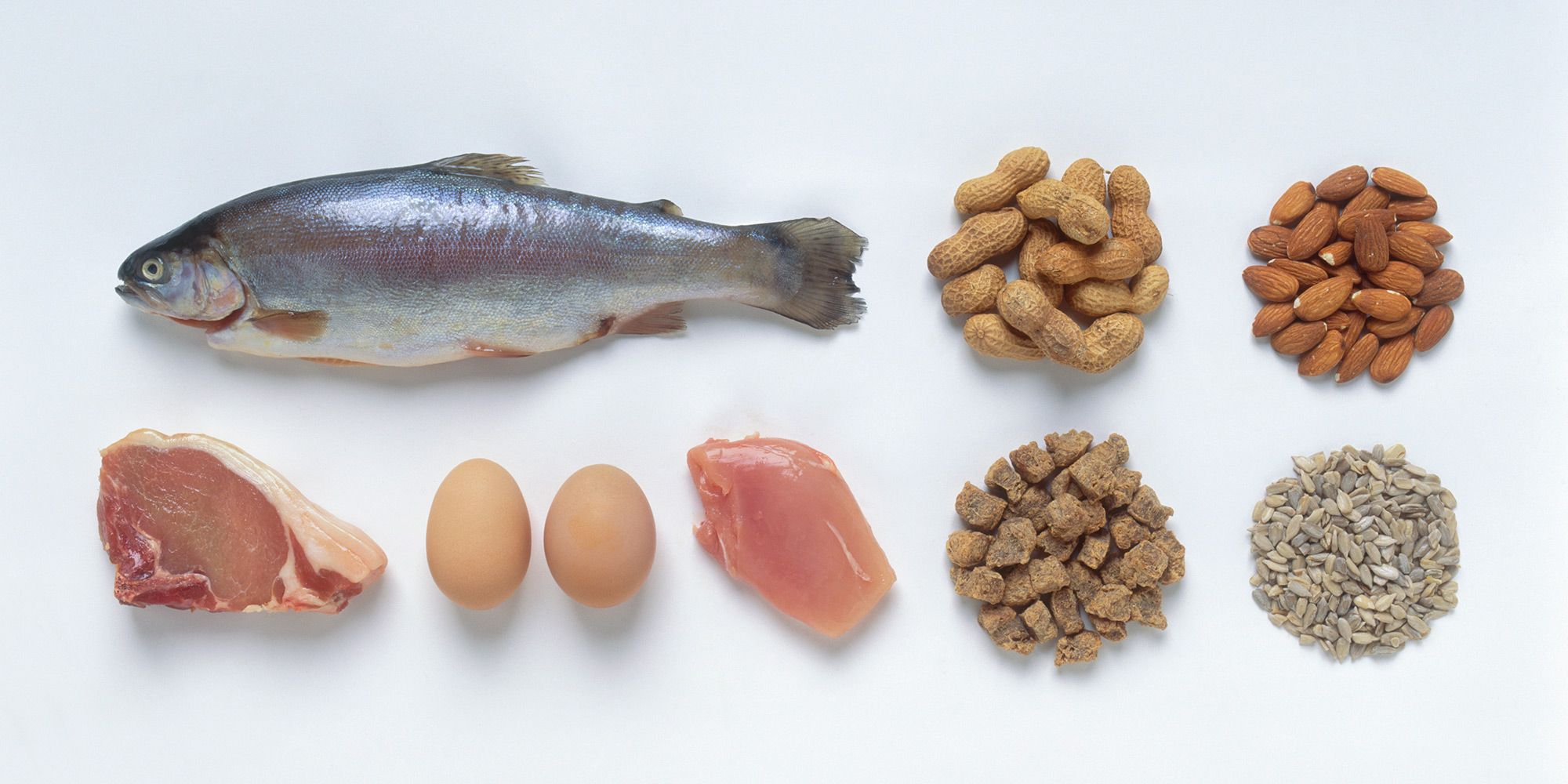
Protein provides us an important material to produce strong hair and nails which is keratin. If we consume inadequate protein, our hair becomes brittle and might be unable to grow to desired length. Include protein sources such as mackerel, salmon, tuna or chicken inside your meal. The recommended serving size is one slice of any of them.
3. Good Microbial Health in The Gut
Prebiotics and probiotics help provide a good environment for our gut. Good source of probiotics includes yoghurt, kefir, tempeh and kombucha; while prebiotics may be found in foods rich in fiber such as fruits and vegetables. Studies found that probiotics restored the balance of good bacteria in the gut, thus helping to reduce skin conditions such as acne and eczema.
4. Limit Sugary and Processed Food
Excessive intake of sugary and processed food can trigger various skin problems such as inflammation, acne and speed up aging. Besides, excessive sugar intake might lead to obesity that might cause insecurity regarding one’s appearance.
5. Hydration is Important
Water is important to us. It maintains our skin elasticity, reduces dryness and provides moisture for our skin. On the other hand, water flushes out toxins and provides a clean environment for the gut. Drink at least 6-8 glasses of plain water per day to help maintain skin hydration.
Remember, true beauty radiates from within. By making mindful choices in your diet and lifestyle, you can achieve a healthier, more vibrant appearance. Take charge of your beauty journey today—one nutritious meal at a time!
Ramadan is a sacred month of fasting for Muslims worldwide. While fasting from dawn (Suhoor) to sunset (Iftar) is obligatory, managing medication during this period can be challenging, especially for those with chronic conditions or illnesses. Here are some practical tips to ensure that your health remains a priority while observing your fast :
1. Consult Your Doctor or Pharmacist
Before Ramadan begins, consult your doctor to adjust your medication schedule if needed. Some medicines can be taken at Suhoor and Iftar instead of during the day. Never alter your dosage or schedule without professional advice.
2. Plan Your Medication Schedule
Once Daily Medicines: Take the dose at Iftar or Suhoor as recommended.
Twice Daily Medicines: Adjust to take one dose at Iftar and the second dose at Suhoor.
Thrice or More Daily Medicines: Discuss with your doctor for alternatives or modified schedules.
3. Use Long-Acting Medications
For some conditions, long-acting or extended-release medications can be prescribed.
These provide a consistent effect throughout the day, reducing the need for frequent doses.
4. Stay Hydrated
Although you can only drink water during non-fasting hours, ensure you hydrate well between Iftar and Suhoor.
This is especially important for those taking diuretics or medicines that increase water loss.
5. Set Reminders
The change in routine during Ramadan can make it easy to forget your medication.
Use alarms or phone reminders to ensure you take your medicine on time.
6. Be Mindful of Food Interactions
Certain medications need to be taken with food or on an empty stomach.
Pay attention to these instructions and adjust your Suhoor and Iftar meals accordingly.
7. Inhalers and Topical Medications
Inhalers, creams, and eye/ear drops generally do not break the fast according to many Islamic scholars. However, confirm this with your local religious authority and your healthcare provider.
8. Monitor Your Health
Watch for symptoms like dizziness, fatigue, or worsening of your condition.
If fasting impacts your health significantly, Islamic teachings allow for exceptions in cases of illness.
9. Consider Alternate Dosage Forms
If swallowing pills is difficult during Suhoor or Iftar, ask your doctor about alternatives.
Example: syrups, dissolvable tablets, or injections.
10. Exemptions for Health Reasons
Islam permits individuals who are sick or have chronic conditions to skip fasting and compensate by feeding the needy (Fidyah) or fasting later if possible. Prioritize your health and consult your religious leader for guidance.
Final Thoughts
Balancing fasting and medication requires careful planning and communication with healthcare professionals. Always prioritize your health while observing Ramadan. With the right approach, you can maintain your well-being and spiritual commitments during this holy month.
Magnesium is often overshadowed by other nutrients like calcium and vitamin D, but this humble mineral deserves a spotlight of its own. Essential for more than 300 biochemical reactions in the body, magnesium plays a vital role in maintaining overall health and well-being. Let’s explore why magnesium is known as the “wonder mineral.”
1. It promotes sleep
- Magnesium supplements improve sleep issues such as insomnia, including sleep efficiency, sleep time and onset latency, early morning awakening.
2. May combat anxiety/depression
- Magnesium plays a critical role in brain function and mood; low levels are linked to risk of depression. Magnesium could help you handle stress better.
3. Relief Migraine and Headaches
- Research finds that people who frequently experience headaches and migraines tend to have lower magnesium levels than people who don’t.
4. Bone Health
- Magnesium is important for bone health. Some studies tie a higher intake to a lower risk of osteoporosis, fractures, and bone loss.
5. May promote heart health
- Studies show that increasing magnesium levels can benefit high blood pressure, helping to reduce both systolic and diastolic blood pressure.
6. Prevent Migraine
- Several studies suggest that magnesium supplements may even prevent and treat migraine headache.
7. Reduce symptoms of PMS
- Studies show that magnesium can help manage PMS symptoms by relax the smooth muscle of the uterus and reduce prostaglandins that cause menstrual pain.
Why Is Magnesium Bisglycinate Considered the Superior Supplemental Form?
Magnesium bisglycinate is widely regarded as the superior form of magnesium supplement due to its exceptional bioavailability and gentle effects on the digestive system. This chelated form of magnesium, bound to the amino acid glycine, ensures efficient absorption and optimal utilization by the body. Unlike other magnesium supplements, it is less likely to cause gastrointestinal discomfort, such as diarrhea, making it particularly suitable for individuals with sensitive stomach.
Don’t wait—grab your magnesium supplement today and take the first step toward a healthier, better life!
Our bodies require proper nourishment to maintain energy levels and live a quality life. Food plays a vital role in fueling our bodies, and its importance cannot be overstated. While all foods provide some form of energy, certain nutrient-dense options stand out for their ability to sustain energy longer and promote overall well-being.
Some quick fixes, like refined carbs found in white bread, pastries, cakes, and pasta, provide a rapid energy boost due to their quick absorption. However, these foods often lead to energy crashes, leaving us feeling groggy and tired. In contrast, consuming nutrient-packed superfoods that digest slowly can provide steady and sustained energy without the unwanted side effects of a sugar spike.
When we feel fatigued, it's tempting to reach for energy drinks. However, these drinks typically contain 21 to 34 grams of sugar per ounce (30 ml). A standard 150 ml can of energy drink can have over 80 grams of sugar, leading to energy crashes and heightened lethargy. Instead, consider turning to natural, nutrient-rich superfoods to keep your energy levels stable. Here are some excellent options:
1. Legumes: A Fiber-Rich Energy Source
Legumes are a powerhouse of nutrition, offering high protein and fiber content. Green peas, almonds, and chickpeas are among the top choices. Green peas, for instance, are low-glycemic and contain complex carbohydrates and proteins, which help regulate blood sugar levels and sustain energy. Additionally, they are rich in vitamin B1 (thiamine), which aids in converting nutrients into energy. Incorporate green peas into stews and soups for an energy boost.
2. Almonds: A Convenient Energy Snack
Almonds are an excellent finger food packed with protein, healthy fats, and riboflavin. Riboflavin plays a crucial role in converting food into energy, making almonds a fatigue-fighting snack. Just a quarter cup of almonds provides seven grams of protein and 37% of your daily riboflavin needs. For a quick and nutritious snack, roast almonds in an air fryer or oven, pack them in a container, and take them to class, work, or the gym.
3. Dark Chocolate: A Tasty Energy Booster
Dark chocolate not only helps combat fatigue but also curbs sugar cravings. Opt for high-quality dark chocolate with 70–80% cocoa content, which is rich in fiber, iron, and magnesium. While moderation is key due to its fat and sugar content, enjoying a small portion of dark chocolate can boost energy and enhance mood.
4. Blueberries: Tiny Yet Mighty
Blueberries are a popular superfood known for their high antioxidant content. A 100-gram serving contains 2.4 grams of fiber, 8.1 mg of vitamin C, and 12 mg of calcium, all while being low in calories. Blueberries help reduce inflammation, improve exercise performance, and aid recovery. Enjoy them on their own or as a topping for yogurt and fruit salads.
Conclusion
There is no single “miracle” food for boosting energy instantly without potential downsides. However, incorporating nutrient-rich superfoods like legumes, almonds, dark chocolate, and blueberries into your daily diet can provide a steady energy supply. Combine these with a healthy lifestyle to maintain optimal energy levels and enhance overall well-being.
Living with diabetes does not have to mean feeling deprived. People can learn to balance meals and make healthy food choices while still including the foods they enjoy. Both sugary and starchy carbohydrates can raise blood sugar levels, but people can choose to include these foods in the right portions as part of a balanced meal plan.
1. Green leafy vegetable
Green leafy vegetables are packed full of essential vitamins, minerals, and nutrients. They also have minimal impact on blood sugar levels. They are also low in digestible carbs, or carbs absorbed by the body, so they will not significantly affect blood sugar levels.
Leafy greens, including spinach and kale, are a key plant-based source of potassium, vitamin A, and calcium. They also provide protein and fiber.
Some researchers say that eating green leafy vegetables is helpful for people with diabetes due to their high antioxidant content and starch-digesting enzymes.
2. Whole Grains
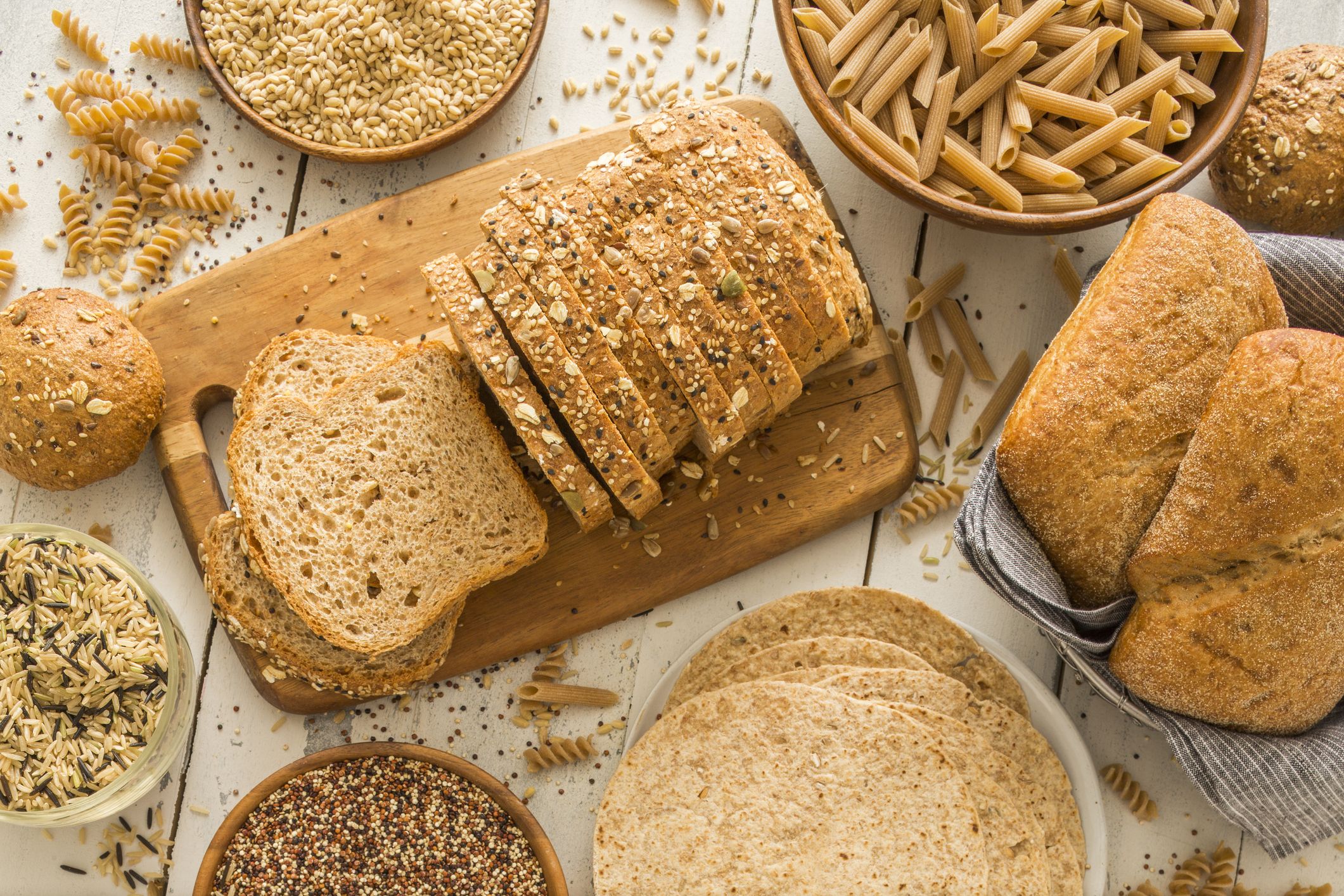
Whole grains contain high levels of fiber and more nutrients than refined white grains. Eating a diet high in fiber is important for people with diabetes because fiber slows down the digestion process. Slower absorption of nutrients helps keep blood sugar levels stable.
Whole wheat and whole grains are lower on the glycemic index (GI) scale than white bread and rice. This means that they have less of an impact on blood sugar.
Good examples of whole grains to include in the diet are:
brown rice
whole-grain bread
whole-grain pasta
buckwheat
quinoa
People can swap white bread or white pasta for whole-grain options.
According to a recent study, it is shown that consuming 4 servings of whole grains per day can reduce the risk of developing pre-diabetes by up to 30%. Meanwhile, other research shows that if people consume whole grains daily, they also experience less inflammation, in return lowering the odds of developing insulin resistance, high blood pressure, and heart disease.
3. Fatty Fish
Some people consider fatty fish to be one of the healthiest foods on the planet.
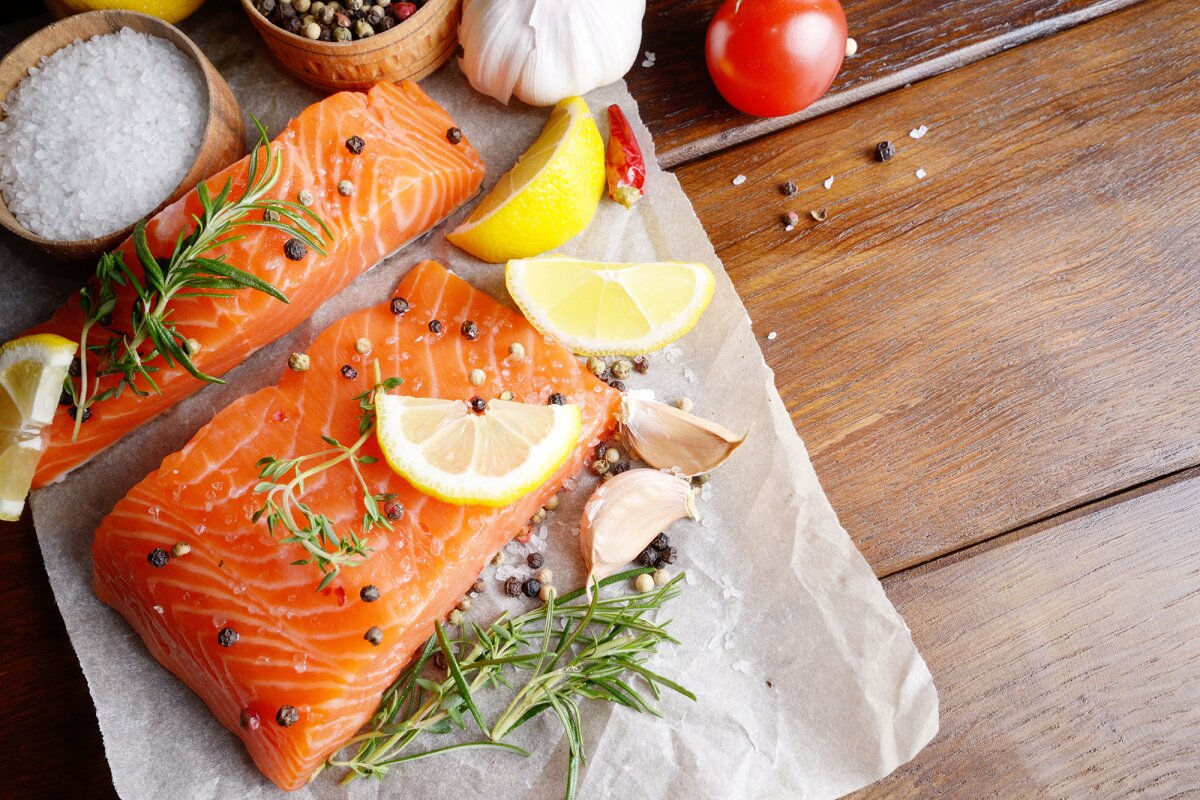
Salmon, sardines, herring, anchovies, and mackerel are great sources of the omega-3 fatty acids DHA and EPA, which have major benefits for heart health.
Getting enough of these fats on a regular basis is especially important for people with diabetes, who have an increased risk for heart disease and stroke.
DHA and EPA protect the cells that line your blood vessels, reduce markers of inflammation, and may help improve the way your arteries function
Research indicates that people who eat fatty fish regularly have a lower risk for acute coronary syndromes, like heart attacks, and are less likely to die from heart disease
Studies show that eating fatty fish may also help regulate your blood sugar.
A study in 68 adults with overweight and obesity found that participants who consumed fatty fish had significant improvements in post-meal blood sugar levels, compared with participants who consumed lean fish.
Fish is also a great source of high-quality protein, which helps you feel full and helps stabilize blood sugar levels. For the vegetarian option, people can eat seaweed, such as kelp and spirulina, as plant-based alternative sources of these fatty acids.
4. Beans
Beans are cheap, nutritious, and super healthy.
Beans are a type of legume-rich in B vitamins, beneficial minerals (calcium, potassium, and magnesium), and fiber.
They also have a low glycemic index, which is important for managing diabetes.
Also, beans may help people manage their blood sugar levels. They are a complex carbohydrate, so the body digests them slower than it does other carbohydrates.
Eating beans can also help with weight loss and could help regulate a person’s blood pressure and cholesterol.
In a study involving more than 3,000 participants at high risk for cardiovascular disease, those who had a higher consumption of legumes had a 35 percent reduced chance of developing type 2 diabetes.
5. Nuts
Nuts are another excellent addition to the diet. Like fish, nuts contain healthy fatty acids that help keep the heart-healthy.
Walnuts are especially high in omega-3 fatty acids called alpha-lipoic acid (ALA). Like other omega-3s, ALA is important for good heart health.
Walnuts also provide key nutrients, such as protein, vitamin B-6, magnesium, and iron.
People with diabetes may have a higher risk of heart disease or stroke, so it is important to get these fatty acids through the diet.
A 2019 study involving over 16,000 participants with type 2 diabetes found that eating tree nuts — such as walnuts, almonds, hazelnuts, and pistachios — lowered their risk of heart disease and death.
Research also indicates that nuts can improve blood glucose levels.
A study in subjects with type 2 diabetes found that consumption of walnut oil daily improved blood glucose levels.
This finding is important because people with type 2 diabetes often have elevated levels of insulin, which are linked to obesity.
6. Probiotics
Probiotics are the helpful bacteria that live in the human gut and improve digestion and overall health.
Some research from 2011 suggested that eating probiotic yogurt could improve cholesterol levels in people with type 2 diabetes. This could help lower the risk of heart disease.
One review study suggested that consuming probiotic foods may reduce inflammation and oxidative stress, as well as increase insulin sensitivity.
People can choose a natural yogurt, such as Greek yogurt, with no added sugar. A probiotic yogurt will contain live and active cultures called Lactobacillus or Bifidobacterium.
A long-term study involving health data from over 100,000 participants found that a daily serving of yogurt was linked to an 18 percent lower risk of developing type 2 diabetes.
It may also help you lose weight if that is a personal goal.
Studies show yogurt and other dairy foods may lead to weight loss and improved body composition in people with type 2 diabetes.
The high levels of calcium, protein, and a special type of fat called conjugated linolic acid (CLA) found in yogurt may help reduce your appetite, making it easier to resist unhealthy foods.
What is more, Greek yogurt contains only 6–8 grams of carbs per serving, which is lower than conventional yogurt.
It is also higher in protein, which may promote weight loss by reducing appetite and decreasing calorie intake.
The Bottom Line
People with diabetes can work with their healthcare professionals to devise a personal nutrition plan.
Eating a healthful, balanced diet including the foods listed above can help people with diabetes manage their condition and prevent complications by:
controlling their blood sugar levels
lowering inflammation
lowering the risk of heart disease
increasing antioxidant activity
reducing the risk of kidney disease
When diabetes is not managed, it increases your risk for several serious diseases.
Just remember, although these foods may help manage blood sugar, the most important factor in healthy blood sugar management is following an overall nutritious, balanced diet.
You may have heard that diabetes is a silent killer, because it takes away your life, parts by parts. The prevalence of diabetes has became worse as the year goes by as a recent survey from Health Ministry showed that nearly one in five Malaysian adults, or 18.3%, has diabetes.
Diabetes is a health disorder in when our body does not produce enough or respond normally to insulin, resulting in a buildup of extra sugar in our bloodstream.
What is Insulin?
Insulin is a type of hormone released from the pancreas that regulates the amount of glucose in the blood by helping the glucose to move from the blood into the cells.
Types of Diabetes
Type 1 Diabetes
Type 2 Diabetes
What is happening?
Caused by autoimmune disease when the pancreas produces too little or no insulin
Pancreas produces insulin, but the body doesn’t respond normally to the insulin produced.
Age of onset
Childhood
Adulthood
Risk factor
No known cause, and there is no way to reverse or cure it. Not associated with excess body weight, some affected patients might even be underweight.
Commonly associated with poor lifestyle and diet, such as excess body weight, age, physical inactivity, race and ethnicity, family history and poor control of blood lipid profile.
Management
Required insulin therapy
Can be managed by lifestyle modification such as diet and exercise if diagnosed early. Medication can be prescribed by doctor.
Cure and prevention
Cannot be prevented
Can be prevented by lifestyle changes
Diabetes Diagnosis
Pancreas is a gland located behind the stomach in the upper left abdomen. Pancreas will release insulin as sugar metabolism. Insulin plays an important role in keeping blood glucose level within a healthy normal range. Thus, some tests can be conducted to check whether you are diabetic. Following tests are available at pharmacy:-
Glycosylated Hemoglobin (HbA1C) measures your average blood glucose level for the past 3 months. It measures how much of glucose attached to your Hb (hemoglobin) as our Hb only lives for about 3 months. This test is shown to have higher sensitivity of identifying risk of diabetes. Reduction of HbA1C significantly reduces diabetes complications. HbA1C should always be less than 6.5%.
Fasting Plasma Glucose (FPG) measures blood glucose level after fasting for at least 8 hours. It is usually done in the morning without breakfast; only plain water is allowed. Fasting glucose level should be below 5.6 mmol/L.
Random Plasma Glucose (RPG) measures the blood glucose level at anytime of the day. RPG should be less than 8.0 mmol/L.
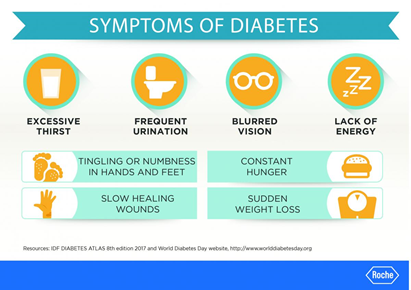
Symptoms of Diabetes
Sources: Accu-chek.co.uk/sign and symptoms of diabetes
The common term to remember is The 3 P’s of Diabetes, which is
Increased hunger(Polyphagia) – The feeling of hunger that is not easily satisfied.
Increased thirst (Polydipsia) – most likely as a result of frequent urination.
Frequent urination (Polyuria) – result from increased renal activity as kidneys need to filter out excess sugar in the blood.
Furthermore, diabetes also comes with other symptoms such as tired/fatigue, nausea, numbness and tingling of hand and feet, blurred vision, sudden weight lost, sexual problem and slow healing of wound.
Complications of diabetes
Complications of diabetes are the most worrying part in diabetes as the symptoms will develop gradually. Over time, uncontrolled blood glucose level results in the higher risk to get the complications. Eventually, it may disable and even life threatening.
Nerve Damage (Diabetic neuropathy) – High blood sugar can injure the wall of tiny blood capillaries that nourish your nerves throughout your body. It can cause pain, numbness, burning or tingling sensation, especially on your legs. When one nerve is damaged, it is gradually spread to multiple neurons. Thus cause alteration of functional organ in body can result in problem such as nausea, vomiting, constipation or diarrhea. For men, glucose damage the nerve which blood supply to penis, thus cause erectile dysfunction.
Kidney Damage (Diabetic Nephropathy)- Diabetes can damage your kidney due to kidney need to consistently wash away the glucose in your bloodstreams. The damaged kidney become leaky and let protein enter to your urine. It can progress to irreversible end-stage kidney diseases or kidney failure. This may require dialysis or kidney transplant on later stage.
Eye Damage (Diabetic Retinopathy)- Diabetes damage the small capillaries in your retina, cause it to break down (hemorrhage), which potentially cause vision loss or blindness. It also increases risk of developing other eyes problem such as glaucoma and cataracts.
Cardiovascular disease – if you have diabetes, you are more risk to heart disease, including chest pain (angina), heart attack and narrowing of arteries (arteriosclerosis) and even stroke.
Diabetic foot– Nerve damage to feet increases various foot complications. Infection from cuts and blister often occur due to poor wound healing. Diabetes may cause you more susceptible to skin problem, which will worsen the condition. Left untreated, this infection may require amputations.
Lifestyle Modification
Low GI ( Glycemic Index) food– The amount and type of carbohydrate consumed will affect the blood glucose level after meals. We can plan a meal with low GI food. GI tells us a how quickly a food raise our blood glucose. GI is ranged from 0 to 100, tested by pure glucose. GI with less than 55 is considered low and it is useful to help manage glucose level. Some diabetic nutritional drink can be used as a meal replacement for diabetic individual. Other than that, good sources of carbohydrate include fruits, vegetables, whole grains, legumes can be added. Increase fiber intake and whole grain food helps in increasing insulin sensitivity and thus overcome insulin resistance. You should also get good vitamins and minerals from healthy and balance diet.
Artificial Sweetener– Diabetic individual should limit or avoid sugar sweetened beverages. It is a good start to swap sugary drink, energy drink, fruit juice into water, plain milk, tea and coffee. You may always try out low or zero-calories artificial sweetener as substitutes to control your blood glucose level.
Cut down alcohol intake– Alcohol is high in calories that will spike up your glucose level. It should be limited to1 drink per day (women) and less than 2 drink per day (men).
Eat less salt and processed food – Salt and processed food can increase risk of hypertension, which later leads to cardiovascular disease. Sodium intake should be less than 1 teaspoon per day. You can change your diet to omega-3 rich fatty acid food. EPA and DHA have beneficial effect on preventing heart disease.
Quit smoking– Smoker are likely to develop diabetes compare to non-smoker. Nicotine replacement therapy can be considered to make it easier to quit. The faster you quit, the faster the body start to heal.
Exercise regularly– being more physically active help to control your diabetes. When our muscles work, they take in glucose from the blood, liver and muscle. It improves cardiovascular risk, improve muscle strength, and contribute to weight loss.
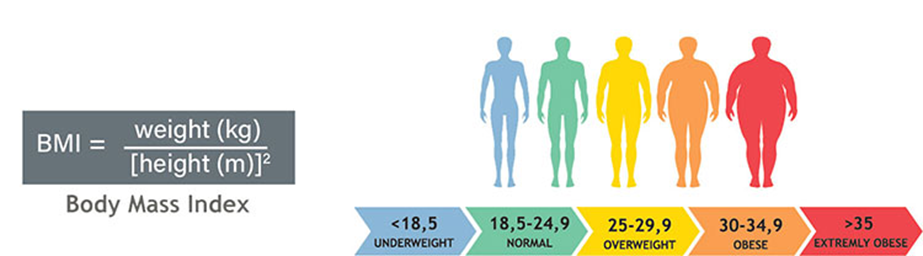
Weight Management– You should be able to find out your Body Mass Index (BMI). Body Mass Index is a simple calculation using a person’s height and weight. The formula is BMI = kg/m2 where kg is a person’s weight in kilograms and m2 is their height in metres squared. A BMI of 25.0 or more is overweight, while the healthy range is 18.5 to 24.9. BMI applies to most adults 18-65 years. In addition to BMI, other physical measurements, such as body fat percentage, distribution of body fat and waist circumference, are important methods of assessing overweight and obesity. Modest weight loss of 10% over 6 months may improve glucose level responds.
Foot care – People with diabetes are prone to have skin infections, including bacterial and fungal infection. Performing daily foot inspection and care is very important in avoiding serious foot complications. It is also necessary to perform regular checking of wound or infection that does not heal. With proper foot care, it is estimated that as half of the foot and leg amputation can be prevented.
Ministry of Health Malaysia. (2020). Clinical practice guidelines: Management Of Type 2 Diabetes Mellitus (6th ed.). Retrieved from https://www.moh.gov.my/
Puasa Ramadan ertinya menahan diri daripada makan dan minum serta segala perbuatan yang boleh membatalkan puasa, mulai dari terbit fajar sehinggalah terbenam matahari pada bulan Ramadan.
Pada bulan Ramadan, umat Islam akan menahan lapar dan dahaga lebih daripada 12 jam sehari. Oleh itu, mereka yang berpuasa perlu menggunakan dua waktu makan yang dibenarkan sehari iaitu sahur dan iftar dengan sebaik mungkin.
Penghidratan adalah salah satu risiko yang dihadapi semasa berpuasa kerana cuaca yang panas dan lembap. Ramai yang mengalami sakit kepala dan masalah untuk menumpukan perhatian semasa berpuasa. Tabiat pemakanan yang berbeza dalam 30 hari berpuasa boleh mengakibatkan pelbagai masalah penghadaman, sakti gastrik dan sembelit. Ketidakhadaman juga boleh berlaku akibat makan terlalu banyak daripada biasa semasa berbuka.
Namun begitu, daripada menambahkan jumlah makanan semasa berbuka atau sahur, lebih baik bagi anda memilih jenis dan kualiti makanan yang sesuai dimakan supaya kesan-kesan negatif berpuasa di bulan Ramadan boleh dielakkan. Mari lihat jenis makanan yang sesuai dimakan sewaktu sahur dan berbuka untuk meningkatkan tenaga anda.
1) Kekalkan Hidrasi dengan Makanan yang Mempunyai Kandungan Air yang Tinggi
Selain daripada minum air kosong, anda boleh mengambil makanan yang tinggi dengan kandungan air seperti tembikai merah, timun, tomato dan strawberi. Elakkan minuman yang mengandungi kafein seperti kopi dan teh kerana kafein boleh menambah pembuangan air kencing dan menyebabkan air dalam badan kita kurang.
2) Makanan Tinggi Protein
Makanan tinggi protein boleh membantu anda kurang penat sepanjang hari. Protein mengambil masa lebih lama untuk hadam dan anda akan merasa kenyang untuk tempoh masa yang panjang. Telur, keju, ayam dan daging adalah pilihan yang baik. Susu tepung seperti MK Nutrasure dan Ensure Gold Liquid sesuai untuk diambil semasa bulan puasa kerana kandungan protein yang lebih tinggi berbanding susu tepung yang lain.
3) Makanan yang Tinggi Kandungan Kanji dan Serat
Makanan berserat tinggi boleh membantu mengawal ketidakhadaman dan pedih ulu hati. Anda boleh cuba oat, bijirin tinggi serat dan roti gandum penuh kerana ia boleh membantu anda merasa kenyang untuk tempoh masa yang lebih panjang. Karbohidrat kompleks dalam makanan berkanji seperti nasi perang, dan kentang adalah pilihan yang bagus untuk tenaga dan mampu meningkatkan tumpuan.
4) Penghadaman yang Lancar dengan Buah-buahan dan Sayur-sayuran
Untuk mengatasi masalah sembelit, kurangkan pengambilan makanan yang berlemak, bergoreng dan pedas sewaktu sahur. Anda boleh meningkatkan pengambilan buah-buahan dan sayur-sayuran kerana ia kaya dengan serat dan boleh mengelakkan sembelit. Amalkan brokoli, sayur bayam, keledek, lentil dalam pemakanan.
5) Pilih Lemak dan Minyak yang Sesuai
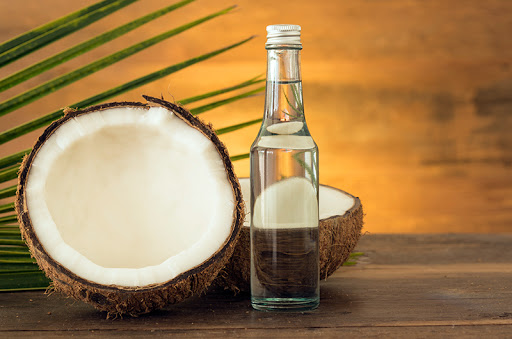
Lemak yang baik memainkan peranan yang penting dalam diet seimbang. Makanan yang kaya dengan lemak sihat seperti salmon, zaitun dan kacang-kacang boleh dirangkumi dalam pemakanan anda. Selain itu, minyak yang digunakan untuk memasak juga sangat penting. Anda boleh menggunakan minyak kepala dara, minyak dedak beras dan lain-lain.
6) Berbuka Puasa dengan Kurma
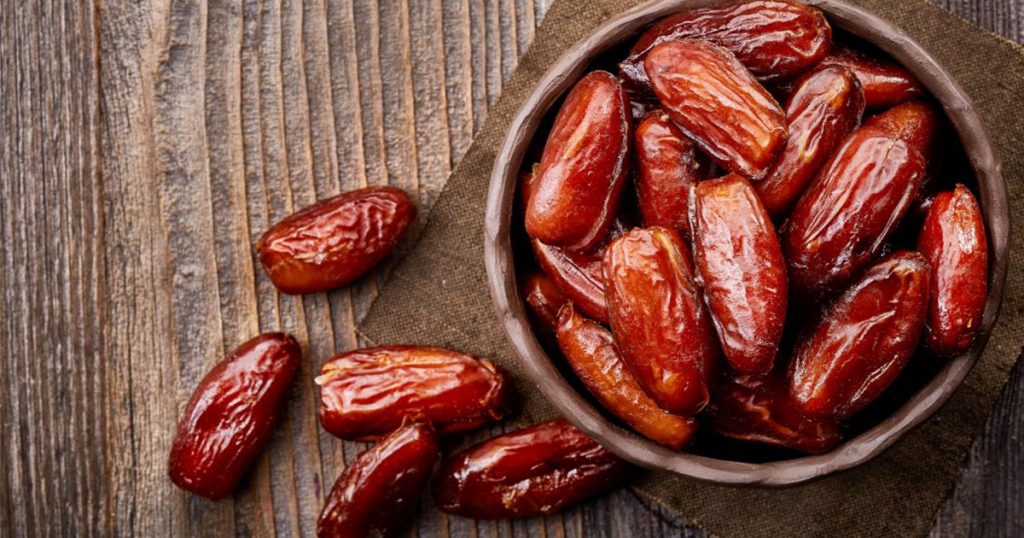
Kurma secara tradisinya dimakan pada permulaan iftar kerana ia mengandungi gula semula jadi, serat dan mineral. Selain itu, kurma mudah dicerna, menjadikannya sumber tenaga dan nutrien yang cepat bagi individu yang berpuasa.
7) Supplemen
Selain pemakanan yang sihat, supplemen dan minuman sihat adalah sumber vitamin dan mineral yang bagus. Individu yang mempunyai masalah gastrik atau ketidakhadaman boleh mengambil probiotik untuk mengurangkan senak dan kembung yang disebabkan oleh perubahan tabiat makan secara tiba-tiba. Probiotik boleh membantu menyeimbangkan semula mikroflora normal dalam sistem pencernaan dan megurangkan risiko gastrik.
Susu tepung seperti MK Glucerwin, MK Colostrum, Ensure Gold Liquid, Glucerna membekalkan nutrisi yang lengkap dan membekalkan makro- dan micro-nutrien yang diperlukan oleh badan kita. Susu tepung adalah pilihan alternatif yang sesuai untuk Muslim yang berpuasa sebagai makanan penggantian pada waktu sahur atau iftar.
Bagi individu yang tidak gemar susu tepung atau minuman sihat, multivitamin adalah pilihan terbaik semasa bulan puasa. Multivitamin bukan hanya membekalkan vitamin dan mineral yang lengkap, ia juga membantu membekalkan tenaga untuk badan kita sepanjang tempoh berpuasa. Oleh itu, multivitamin adalah penting pada bulan puasa untuk menambahkan balik vitamin dan mineral yang diperlukan untuk seharian.
Perlu diingatkan bahawa kesederhanaan adalah kunci untuk pemakanan sihat. Selain itu, kita juga harus mengamalkan pergerakan fizikal yang aktif, contohnya, dengan berjalan-jalan atau berjoging setiap hari. Pemakanan yang sihat adalah penting dan harus diamalkan selalu bukan sahaja pada bulan puasa! Dengan ini, kami mengucapkan selamat berpuasa kepada semua orang!
Body weight is one of many determinants of health. Maintaining a healthy body weight can lower your risks towards many weight-related diseases and health issues. However, each person’s healthy weight range will vary and depend on factors such as age, gender, genetics, body frame, existing medical history and lifestyle habits. So, weight management is a process of adopting long-term lifestyle modification to maintain a healthy body weight on the basis of these factors.
You may assess your body weight status via two simple physical examination methods:
Body mass index (BMI)
BMI is a person’s weight in kilograms divided by the square of height in meters. A high BMI can indicate high body fatness, and a low BMI can indicate too low body fatness.
If your BMI is less than 18.5, it falls within the underweight range.
If your BMI is 18.5 to 24.9, it falls within the normal or healthy weight range.
If your BMI is 25.0 to 29.9, it falls within the overweight range.
If your BMI is 30.0 or higher, it falls within the obese range.
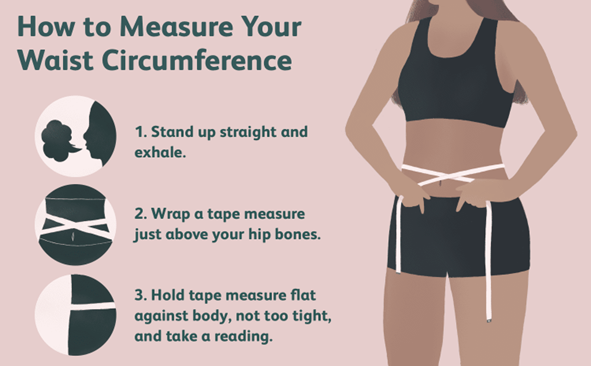
Waist Circumference
Another way to estimate your potential disease risk is to measure your waist circumference. It is also a good estimate of visceral fat, the dangerous internal fat that coats the organ. Waist circumference measurement correlates well with abdominal fat content irrespective of the BMI. It is most useful in individuals who are in the normal and overweight categories of BMI. Your waistline may be telling you that you have a higher risk of developing obesity-related conditions if you are:
A man whose waist circumference is more than 40 inches
A non-pregnant woman whose waist circumference is more than 35 inches
Being too thin (underweight) or obese (overweight), both may impact your health condition. Maintaining a healthy weight is not only important for improving your physical appearance but is also beneficial for your overall well-being. Prioritizing weight management not only lowers the health risks but can also lead to an improved quality of life.
Underweight is a condition when energy intake is less than energy expenditure, it may lead to health risks such as malnutrition, decreased immune function, osteoporosis, infertility, developmental delays, and increased risk of surgical complications 2. A person may be underweight due to genetics, improper metabolism, lack of appetite, over-exercising, certain medicines, and underlying medical problems such as overactive thyroid, anorexia, etc 3.
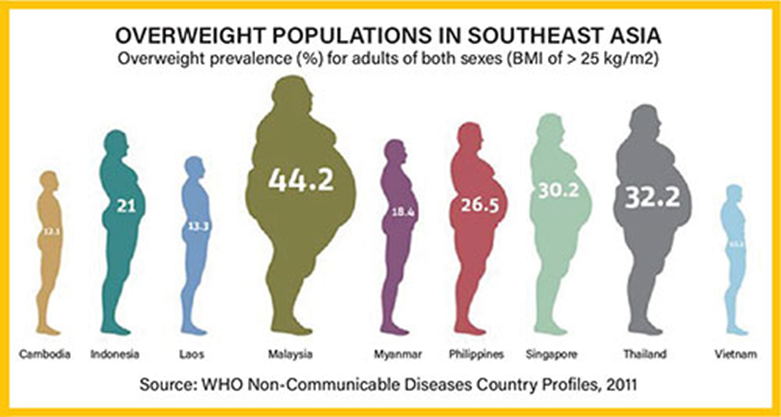
Overweight and obesity are consequence of an energy imbalance where energy intake has exceeded energy expenditure over a considerable period of time, lead to abnormal or excessive fat accumulation that presents a risk to health. Obesity is one side of the double burden of malnutrition, and today more people are obese than underweight in every region. It once considered a problem only in high-income countries, overweight and obesity are now dramatically on the rise in low- and middle-income countries, particularly in urban settings. The World Health Organization (WHO) reported one in five Malaysian adults will be obese by 2025 4. Obese and overweight people are more prone to illnesses and conditions such as diabetes, hypertension, heart diseases, gall bladder diseases and osteoarthritis. Obesity may influence the risk of cancers of the colon, rectum, prostate, gall bladder, cervix, endometrium and ovary. Obesity also affects mobility, physical endurance and other functional measures. Obese people may also have low self-esteem 5.
Factors Weight Gain
Poor diet and overeating
Poor eating habits are probably the leading cause of obesity among all others. More often than not, people are likely to gain weight when they consume more calories than they burn through physical activity. Examples of unhealthy eating choices that directly lead to weight gain include:
Eating more portions than your body needs
Eating excessive amounts of processed or fast food
Consuming beverages with too much sugar content
Drinking too much alcohol 6
Physical inactivity
Another important factor is the lack of physical exercise. Nowadays, most people’s work desk jobs that consist of sitting and staring at a computer for long hours every day. When it comes to leisure activities, many of us prefer to lounge around and binge-watch or scroll endlessly on our phones instead of heading out to exercise. If you fail to incorporate exercise into your daily lives, the energy provided by the food you eat will only be stored by the body to become fat, which can lead to excessive weight gain 6.
Stress, emotional factors, and poor sleep
Some people eat more than usual when they are bored, angry, upset, or stressed. This “stress eating” are due to secretion of stress hormone called cortisol in our body. It increases appetite and may ramp up desire to eat fatty, salty or sugary “comfort foods” 7. Studies also have found that the less people sleep, the more likely they are to have overweight or obesity. This is partly because hormones that are released during sleep help control appetite and the body’s use of energy 8.
Health Conditions
On fairly rare occasions, obesity could be caused by certain health conditions. Examples of medical conditions that commonly contribute to weight gain include hormonal imbalance, hypothyroidism and Cushing’s syndrome. Other medical problems such as arthritis can hinder one from engaging in physical activity, which can ultimately result in weight gain as well. Certain medicines also may cause weight gain, including some corticosteroids, antidepressants, and seizure medicines 8.
Ways to Achieve Healthy Weight
Healthy eating
Healthy eating features a variety of healthy foods. Fad diets may promise fast results, but such diets limit your nutritional intake, can be unhealthy, and tend to fail in the long run. A healthy eating plan shall:
Emphasize fruits, vegetables, whole grains, and fat-free or low-fat milk and milk products
Include a variety of protein foods such as seafood, lean meats and poultry, eggs, legumes (beans and peas), soy products, nuts, and seeds.
Is low in added sugars, sodium, saturated fats, trans fats, and cholesterol.
Stay within your daily calorie needs 9.
Exercise regularly and stay physically active
Engaging in physical activity is one of the simplest ways to get rid of excess weight on your body. The more you exercise, the more calories your body burns off. On top of burning fat, exercising also increases your metabolism significantly 6. The World Health Organization (WHO) recommended regular exercise 60 minutes per day for children and 150 minutes per week for adults, to lower the risk or overweight and obesity 4.
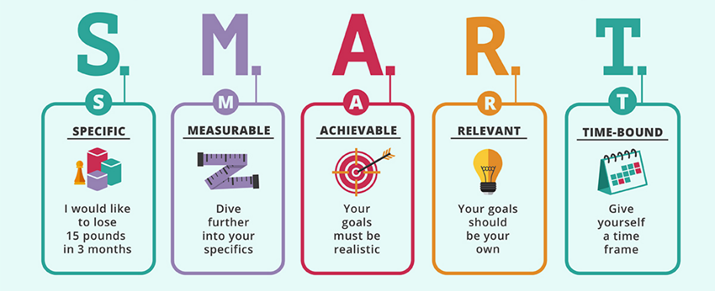
Set smart weight goals
Losing or gaining weight does not happen overnight. A good and healthy weight loss or weight gain should adopt the concept of energy balance as its guiding principle. Setting a SMART goal should be specific, measurable, achievable, relevant and timely. For example, if your BMI is 23 kg/m2 and above, losing 10% to 15% of your current body weight over 6 months at a rate of 0.5 kg to 1 kg a week is a healthy target 10.
Last but not least, a heathy and successful weight management include regular monitoring of your progress and maintenance of healthy weight in the long term. Making lifestyle modifications goes beyond the physical aspects, this requires you to tap into your mental stamina as well. Believe it or not, your outlook or mindset can play an essential role in your weight management journey.
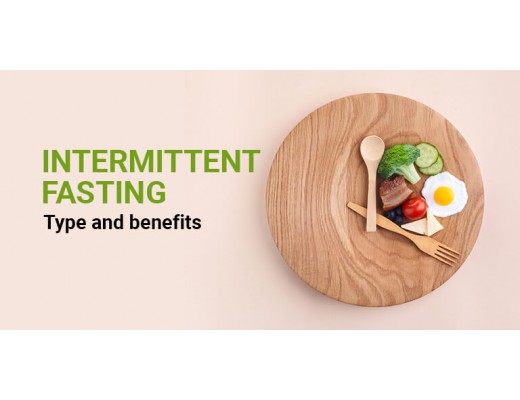
Intermittent fasting is a dietary approach that involves interspacing planned periods of fasting with regular eating. It is an eating pattern that cycle between periods of eating and fasting. It focuses more on when to eat rather than whatto eat.
Intermittent fasting works by prolonging the period when the body has burned through the calories consumed from the last meal and begins to burn fat. The body will use up its sugar stores and starts to burn fat after hours of fasting, this process is known as metabolic switching.
Benefits of Intermittent Fasting
Help Lose Weight and Visceral Fat
Intermittent fasting can support hormone function to facilitate weight loss. Lower insulin levels, higher Human Growth Hormone (HGH) levels, and increased amounts of noradrenaline can assist in the breakdown of body fat and facilitate its use for energy. Because of this, fasting actually increases the body metabolic rate and eventually help to burn more calories. According to a 2014 review of the scientific literature, intermittent fasting can cause weight loss of 3–8% over 3–24 weeks.
Lowering risk for Type II Diabetes
Intermittent fasting has been shown to have major benefits for insulin resistance, leading to an impressive reduction in blood sugar levels. In human studies on intermittent fasting, fasting blood sugar has been reduced by 3–6% over the course of 8–12 weeks in people with prediabetes. Fasting insulin has been reduced by 20–31%.
Beneficial for Heart Health
Intermittent fasting improves heart health by controlling the risk factors that lead to heart diseases. The risk factors include blood sugar levels, blood pressures, cholesterol levels and inflammatory markers.
Improve Sleep
Research suggests that intermittent fasting may improve sleeping quality by reinforcing the circadian rhythms.
Types of Intermittent Fasting
Time-Restricted Fasting (16/8 method)
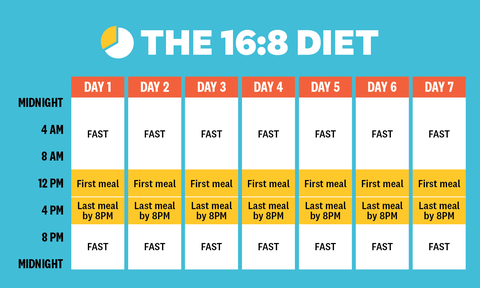
The 16/8 method involves choosing of an eating window (about 8 hours) everyday and fast during the remaining 16 hours. It is also known as the Leangains protocol and can be very simple as we only have to skip our breakfast and not eating anything after dinner.
The easiest way to practice 16/8 method is to choose a 16-hours fasting period which include the time we spent sleeping. For example:
9 a.m. to 5 p.m.
10 a.m. to 6 p.m.
12 a.m. to 8 p.m.
Fast Diet (5:2 method)
It involves eating normal diet 5 days a week and restricting the calorie intake to 500 – 600 in the other 2 days. During the fast, the calorie intake is limited to 500 for women and 600 for men respectively.
For example, we may have normal diet every day of the week except Friday and Saturday. For those 2 days, we can eat 2 or 3 small meals with total calories not exceeding the limit.
Eat Stop Eat
Following this method, one has to practice a 24-hours fast once or twice per week. Important tip here is to eat responsibly after the fast. Eating responsibly refers to eating normal diet where we don’t binge because we just fasted, but we also don’t restrict ourselves with an extreme diet (eating more or less than we need).
For example, if we finish our dinner at 7p.m., then the next meal should be on 7.pm. the next day. By this, we have completed a 24-hours fast. Water, coffee, and zero-calories beverages are allowed during this period to help with the fast.
This method may be difficult for many people to follow. However, we can start with 14 hours fast and slowly increase to 24 hours.
Alternate Day Fasting
There are several different versions of this method. Some of them allow 500 calories (about 25% of calorie need) during the fast and eat normally during the non-fasting days. A full fast every other day can be rather extreme and is not recommended to beginners.
Fasting Tips
Drink cinnamon tea during the fast to help suppress the appetite.
Exercise just before or during the eating window.
Meditation during the fasting period to pass the hunger pangs.
Practice balance and healthy diet.
Always check with your primary care provider before starting any restrictive eating plan.
Who Should Avoid Intermittent Fasting
Teenagers under 18 years old.
Pregnant or breastfeeding women.
People with diabetes mellitus.
People with eating disorders such as anorexia.
References
Mosley M, Spencer M. The FastDiet: Lose Weight, Stay Healthy, and Live Longer with the Simple Secret of Intermittent Fasting. Atria Books. 2013
Williams KV, Mullen ML, Kelley DE, Wing RR. The effect of short periods of caloric restriction on weight loss and glycemic control in type 2 diabetes. Diabetes Care. 1998;21:2–8.
Varady KA, Bhutani S, Klempel MC, et al. Alternate day fasting for weight loss in normal weight and overweight subjects: a randomized controlled trial. Nutr J. 2013;12:146.
LeCheminant JD, Christenson E, Bailey BW, Tucker LA. Restricting night-time eating reduces daily energy intake in healthy young men: a short-term cross-over study. Br J Nutr. 2013;110:2108–2113.
Ekmekcioglu C, Touitou Y. Chronobiological aspects of food intake and metabolism and their relevance on energy balance and weight regulation. Obesity Reviews. 2011;12:14– 25.
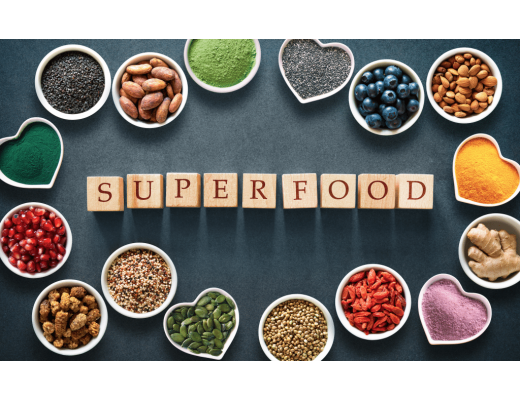
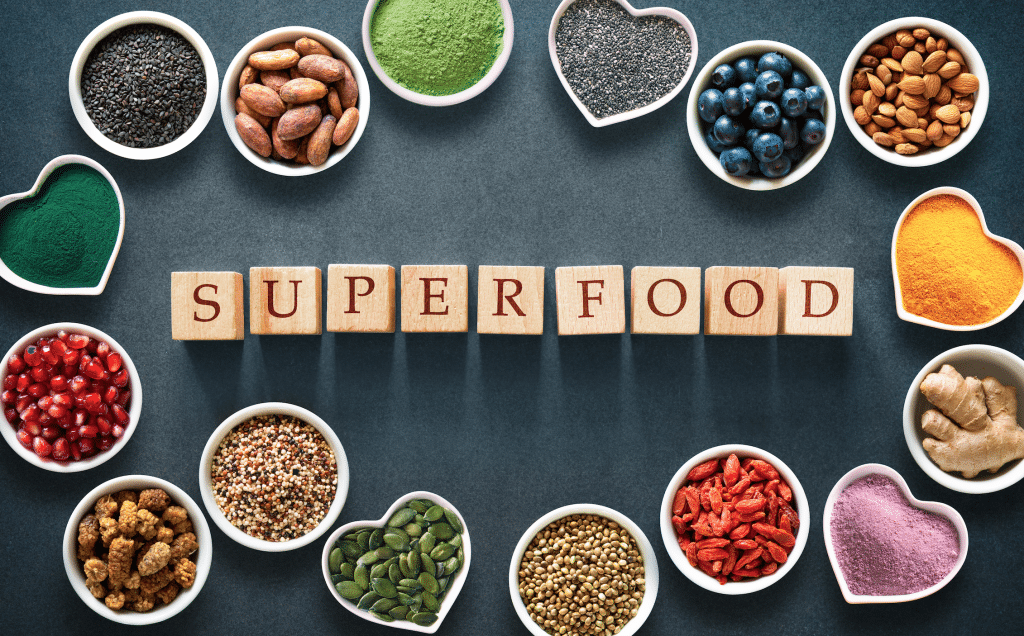
Superfood is a term that is commonly used to describe foods that offers multiple health benefits through its nutrient contents, beyond providing energy. Consumption of these foods is linked with disease prevention and improved quality of life.
The idea of superfoods offers longevity and vitality has long been described in various cultures. Recent findings on essential fatty acids, dietary fibers, essential micronutrients and antioxidants make them the main substances related to superfoods.
Superfood such as Omega-3 and Omega-6 fatty acids must be obtained in diet as the human body does not produce them naturally. Better known types of omega-3 fatty acids, Eicosapentaenoic acid (EPA) and docosahexaenoic acid (DHA) are mainly associated with benefits for the heart. They reduce inflammation, improve blood flow, prevent formation of fat deposit in blood vessel, and reduce triglyceride levels. Consuming a diet enriched with EPA and DHA can lead to less frequent and milder headache in patients with migraine, while moderate intakes may also delay cognitive function decline in elderly men. Some studies suggest that dietary interventions combined with pharmacological treatments might have an additive benefit in prevention of such condition.
Micronutrients are vitamins and minerals which are consumed in small quantities but are nonetheless essential for physical and mental development. There is a long list of essential micronutrients, however the ones that are particularly deficient in diets include iron, zinc, calcium, iodine, vitamin A, B-vitamins, and vitamin C. Effects of these micronutrient deficiency includes night blindness, eyesight problems, anemia and stunted growth.
Some superfoods confer benefit to digestive health via dietary fibers. These includes soluble fibers (inulin) and non-digestible carbohydrates (oligosaccharides), better known as prebiotics that helps nourish microflora in the intestines. Insoluble fibers help with bowel movement, reduces risk of intestinal diseases and helps in weight control.
Phytochemicals found in plants provide their colors and characteristic smell. There are multiple different types of known phytochemicals which includes tannins, flavonoids, and saponins. These chemicals are produced by plants for their own benefit and do not have nutritional value for human. Yet, they have been found to provide multiple health benefits via antioxidant properties, hailed for preventing cancer, protecting cells from damage, and reducing signs of ageing.
Goji
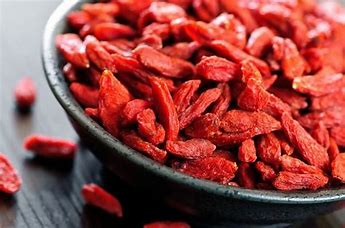
One popular example of superfood would be the Goji berry, originating from China. Also known commonly as Wolfberry, they contain phytochemicals zeaxanthin dan carotene which are important in maintaining healthy eyesight. They can be taken as part of the diet, providing energy through complex sugar and protein contents. Carbohydrates betaine, cerebroside, beta-sitosterol in Goji berry help counter nerve damage in neurodegenerative diseases and protect the eyes from glaucoma –both are important especially in ageing populations.
Wholegrain
A lot of wholegrains have also been discussed to have superfood property. An analysis of more than 3000 middle- and older-aged American adults over years indicates taking more whole grains in diet may protect against heart disease. Person who ate at least 3 servings of whole grains daily had smaller increases in blood sugar levels, blood pressure, and waist size compared with persons who ate less than one-half serving per day.
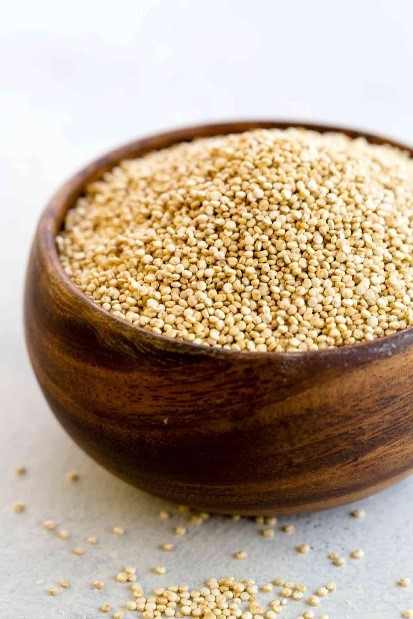
An excellent example of super grain is Quinoa. It provides a rich supply of protein, dietary fibers, several B vitamins, dietary minerals, magnesium, phosphorus, and manganese. Quinoa seeds also have low glycemic index, it provides energy source in small, lasting amount, which makes it a good staple food item. Raw quinoa seeds provide polyphenols at a higher level compared to many fruits and vegetables. Polyphenols are known to have powerful anti-inflammatory benefits for the body, and it is believed that they could help to reduce the risk of some cancers, cardiovascular disease and other illnesses too. Indigestible carbohydrate fibres called oligosaccharides found in the grain act as prebiotic, they provide nutrients for intestinal microflora.
Pumpkin
Pumpkin, a fruit that is more nutritionally similar to vegetables, is a filling, nutrient-dense food with multiple health benefit. It’s very high in antioxidants, such as alpha-carotene, beta-carotene and beta-cryptoxanthin. These can neutralize free radicals, stopping them from damaging human cells. High content of vitamins A, C, and E, iron and folate help strengthen immunity. Pumpkins’ high vitamin A, lutein and zeaxanthin contents can protect the eyes against sight loss, which becomes more common with age. Pumpkin is also a good source of fiber and helps suppress appetite. It has mildly diuretic property, eating a lot of pumpkin may induce a “water pill”-like reaction, increasing the amount of water and salt the body expels through urine. This is particularly beneficial for people concerned with their blood pressure.
Beetroot
The beetroot is the taproot portion of a beet plant, one of several cultivated varieties of Beta vulgaris. Beetroot had been used as part of traditional remedy for multiple health benefits, particularly relating to blood and heart health. Studies have shown that beetroot juice can modestly help reduce blood pressure. Beetroot can be eaten raw, used for juice extraction, baked or boiled. Polyphenols and dietary fiber in red beetroot juice helps diminish blood cholesterol level by stimulating excretion of cholesterol in intestines. It has also been studied to stop weight gain and reduce cholesterol in obese individuals. Beetroot is rich in soluble dietary fiber that provide moderate increase in blood sugar level post-meal, and especially beneficial in pre-diabetic. Regular consumption as part of diet also appears to positively influence physiological response to exercise. Therefore, beet root is an especially valuable super food for people concerned with their body weight and cardiovascular risks.
Although a lot of superfoods are from plant origin, fatty fishes are one of the exceptions. They provide essential proteins not commonly found in plants, which the human body use for energy production, growth, and repair. Fatty fishes found in cold water such as salmon, trout, and sardines contain higher level of omega-3 fatty acids compared to their warm-water counterparts. These benefits are however offset by risk of heavy metal contamination in larger fish. Thus, it is only recommended to take one to two servings of the fish weekly.
To get the best result from superfoods, is it best to consume them raw, cooked, or processed? The answer depends on which superfood one is referring to. In general, taking them as closely to their natural form is preferable to retain its nutrients. Juicing of beetroots, natural drying of goji berries, and removing the outermost shell of quinoa helps improve palatability and ease consumption. However, excessive consumption beyond dietary recommendation exposes to other risks. Red beet root, for example, accumulates oxalic acid responsible for causing kidney stones. Larger fatty fish may also have heavy metal content in their muscle tissue and may adversely affect some populations proportionately. In these cases, taking pre-processed food or supplements focusing on their benefit may be the wiser choice.
Most of the studies that display theoretical health benefits of these food products would use extracts in laboratory. In experimental studies, the method to gain the extract themselves are usually more vigorous than is possible in human digestive system. Therefore, a lot of the supporting studies may overestimate or underestimate the actual health benefit when we consume the food as part of our diet.
It is also important to note that phytochemical content may vary among species, cultivation method, and food handling prior to consumption. The magnitude of potential risks that may be associated with phytochemicals is still unclear, especially when taken in large doses as supplements. These extracted substances may have possible side effects or may interact with other substances in the body, e.g., medications. There are only few documented cases suggesting that certain phytochemicals may also be harmful. For instance, some studies have shown that overdosing on beta-carotene may increase the risk of lung cancer in smokers. Therefore, you should always speak to your healthcare provider before taking phytochemical supplements. Taking it as functional food in moderation is probably safer in the long run.
To quote the 2021 Dietary Guidance to Improve Cardiovascular Health scientific statement, developed under chair of the American Heart Association’s writing group, one can improve cardiovascular health and reduce cardiovascular risk with an emphasis on dietary patterns and food-based guidance beyond naming individual foods or nutrients. It is important to first emphasize on balanced diet, and to take superfoods strategically to enrich our nutrient consumption.
References
Quinoa – Wikipedia [Internet]. En.wikipedia.org. 2022 [cited 18 April 2022]. Available from: https://en.wikipedia.org/wiki/Quinoa
9 Super Grains With Health Benefits You Need to Try [Internet]. HubPages. 2022 [cited 18 April 2022]. Available from: https://discover.hubpages.com/health/Super-Grains-Your-Guide-To-The-Newest-Hollywood-Superfoods
Superfoods or Superhype? [Internet]. The Nutrition Source. 2022 [cited 18 April 2022]. Available from: https://www.hsph.harvard.edu/nutritionsource/superfoods/
Barsby J, Cowley J, Leemaqz S, Grieger J, McKeating D, Perkins A et al. Nutritional properties of selected superfood extracts and their potential health benefits. PeerJ. 2021;9:e12525.
The Role of Proteins, Fats and Carbohydrates in Our Diet and Health [Internet]. Healthpedian.org. 2022 [cited 18 April 2022]. Available from: https://www.healthpedian.org/the-role-of-proteins-fats-and-carbohydrates-in-our-diet-and-health/
Omega-3-enriched diet cuts headache days | Latest news for Doctors, Nurses and Pharmacists | Pharmacy [Internet]. MIMS News. 2022 [cited 4 April 2022]. Available from: https://specialty.mims.com/topic/omega-3-enriched-diet-cuts-headache-days-in-migraine-
Kendall C, Esfahani A, Jenkins D. The link between dietary fibre and human health. Food Hydrocolloids. 2010;24(1):42-48.
Ritchie H, Roser M. Micronutrient Deficiency [Internet]. Our World in Data. 2022 [cited 3 February 2022]. Available from: https://ourworldindata.org/micronutrient-deficiency?utm_medium=syndication&utm_source=scribd#hidden-hunger-index
Goji berries a potential arsenal against age-related macular degeneration | Latest news for Doctors, Nurses and Pharmacists | Multidisciplinary [Internet]. MIMS News. 2022 [cited 18 April 2022]. Available from: https://specialty.mims.com/topic/goji-berries-a-potential-arsenal-against-age-related-macular-degeneration?channel=multi-specialty&utm_medium=email&_hsmi=202393192&_hsenc=p2ANqtz-9bZXdq_h6_uBQH5DFoIcHXH-iS6Za-A0TknP3rGbXfJvYHIX78OtHoVU4MvlP-E88nUmrjbXdxANrUdkqdI0dmHTgCVQ&utm_content=202393192&utm_source=hs_email
Phytochemicals and their Potential Health Benefits [Internet]. Healthpedian.org. 2022 [cited 18 April 2022]. Available from: https://www.healthpedian.org/phytochemicals-and-their-potential-health-benefits/
Sawicki C, Jacques P, Lichtenstein A, Rogers G, Ma J, Saltzman E et al. Whole- and Refined-Grain Consumption and Longitudinal Changes in Cardiometabolic Risk Factors in the Framingham Offspring Cohort. The Journal of Nutrition. 2021;151(9):2790-2799.
Barsby J, Cowley J, Leemaqz S, Grieger J, McKeating D, Perkins A et al. Nutritional properties of selected superfood extracts and their potential health benefits. PeerJ. 2021;9:e12525.
Saravanan V, Manokaran S. Physico-chemical studies and evaluation of diuretic activity of <i>Cucurbita maxima</i>. Bangladesh Journal of Pharmacology. 2012;7(4).
Beetroot – Wikipedia [Internet]. En.wikipedia.org. 2022 [cited 18 April 2022]. Available from: https://en.wikipedia.org/wiki/Beetroot
Siervo M, Lara J, Ogbonmwan I, Mathers J. Inorganic Nitrate and Beetroot Juice Supplementation Reduces Blood Pressure in Adults: A Systematic Review and Meta-Analysis. The Journal of Nutrition. 2013;143(6):818-826.
Vega C. What Is a Heart-Healthy Diet? American Heart Association Weighs in With New Dietary Recommendations. Presentation presented at; 2021; Medscape.org.
According to National Health and Morbidity Survey (NHMS 2019), about 1.7 million individuals in Malaysia are at risk of suffering from 3Hs, namely hypertension, hyperlipidemia (high cholesterol) and hyperglycemia (diabetes) which leads to cardiovascular disease. It is well known that cardiovascular disease is the leading cause of death in Malaysia.
Plukenetia volubilis L. (family Euphorbiaceae), commonly known as Sacha Inchi, Inca peanut or mountain peanut has been adopted as a food source due to its high nutritional value and potential benefits for human health. Sacha Inchi is used as a traditional remedy and in recent years has been introduced to cosmetics and dietary supplementation markets successfully.
Content of Sacha Inchi
Medicinal applications of Sacha Inchi have been discussed for a variety of diseases. Besides its cholesterol and blood pressure lowering properties, it is presumed that Sacha Inchi may promotes health improvements in diabetic, arthritis, cancers (breast cancer, prostate carcinoma) and in certain cases of psychological disorders patients. Due to its recognized high content of essential fatty acids, phenolic compounds and vitamin E, Sacha Inchi provides antioxidant properties, hypolipidemic, immunomodulation and emollient activity, as well as capacity to remove heavy metals from aqueous solutions.
Sacha inchi has been known to be rich in unsaturated fatty acids. Its seed contains:
Polyunsaturated fatty acids like α-linolenic (ALA) and linoleic (LA), bases of ω-3 and -6, respectively, γ- and δ-tocopherols,
Natural forms of vitamin E, known for its antioxidant activity and antitumor potential.
Essential fatty acids in the form of omega 3 and omega 6 contained in sacha inchi oil are 50.5% and 34.1% respectively, while the protein content in Sacha Inchi is 22-30%. These biomolecules are involved in immune functions, where it helps in mediating inflammatory response. Intake of omega-3 fatty acids from other sources is widely used to lower high blood triglyceride levels which positively influence blood flow and blood clotting. In this context, Sacha Inchi oil has been assumed to be an alternative to fish oil.
Studies on Sacha Inchi
Gonzales et al. conducted a study for four months on 15 males and 15 females without the history of hyperlipidaemia or any other disease likely to affect lipid metabolism showed that the permanent consumption of sacha inchi oil for four consecutive months showed 10 % increase in plasma HDL level. Other study also stated that consumption of 50 g of sacha inchi can significantly lower triglyceride levels. Although sacha inchi oil may have an unpleasant taste, it is believed that over time it can be accepted by consumers. Commercial sacha inchi oil is classified as extra virgin oil or virgin oil and has low oxidative stability thus should not be consumed hot.
Polyunsaturated fatty acids of Sacha Inchi is the main component that contributed to its beneficial function in variety of processes such as regulation of the inflammatory immune response, blood pressure, reduction of triglyceride levels in the circulation, prevention of neurodegenerative and neuropsychiatric disorder, maintenance of memory and visual function. Supplementation of yoghurt with sacha inchi seeds has been studied recently, revealing an increase of the levels of ALA and LA of 25- and 50-fold respectively, from an average PUFA content of 3.60 to 81.51% in the modified product compared to the control.
It is considered that fatty acids with higher fraction of PUFA in sacha inchi are beneficial to human health due to their antiatherogenic, antithrombogenic and hypocholesterolemic effects, besides having a high nutritional value.
Sources of sacha inci
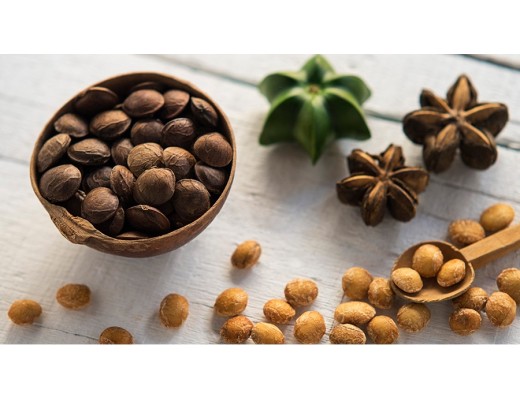
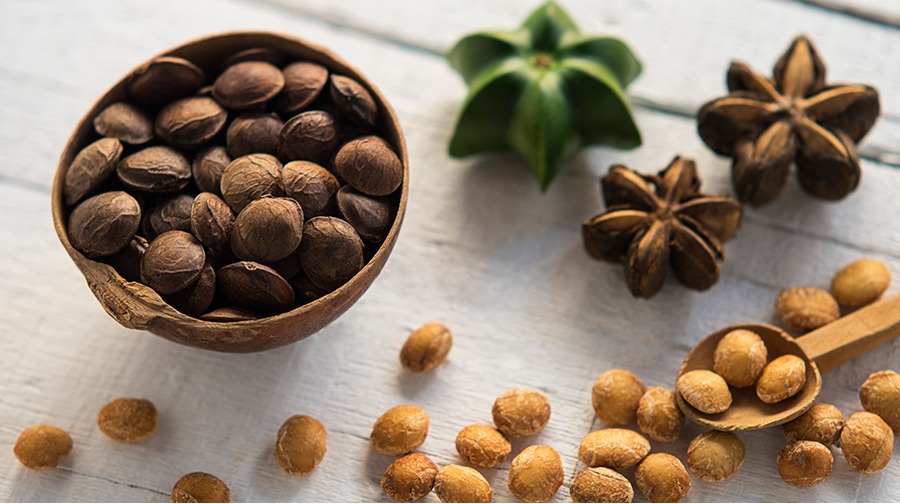
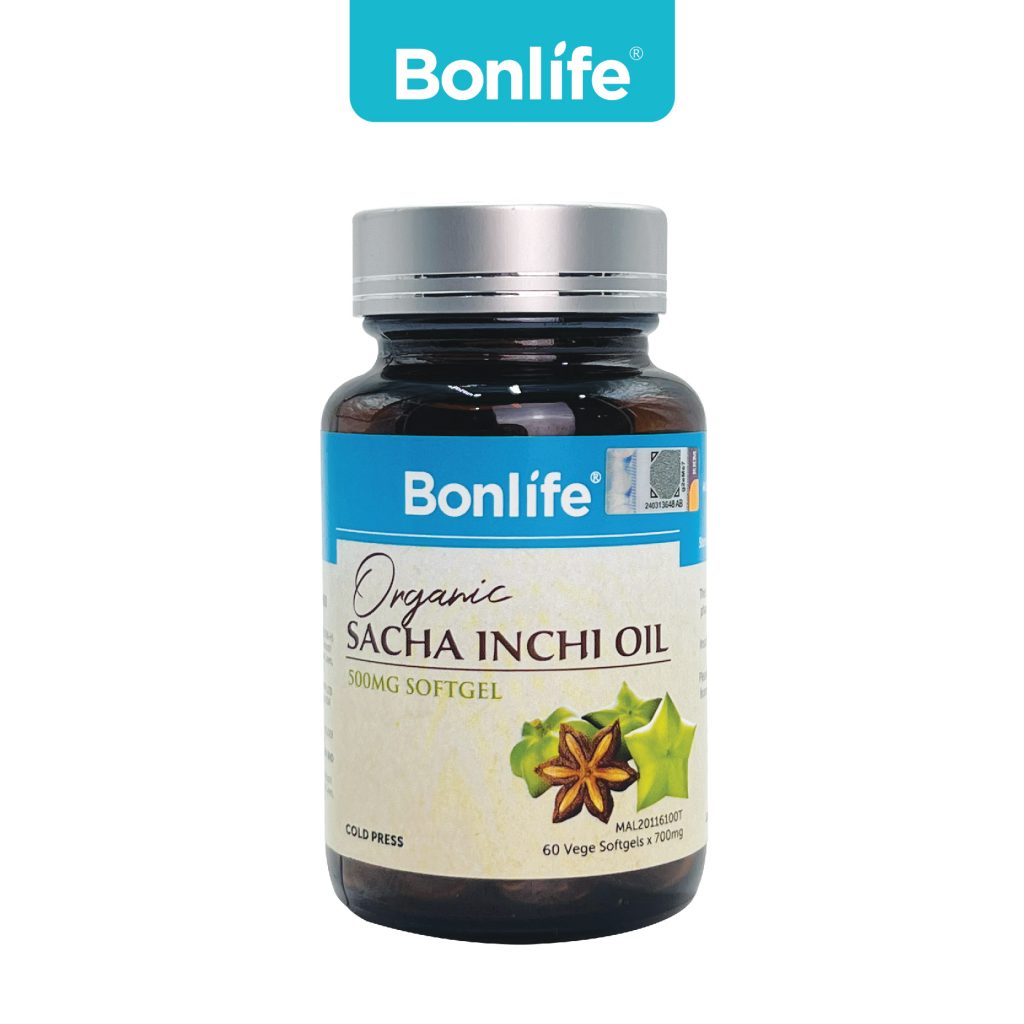
Sources of sacha inchi can be varies in these modern days. Various brands has marketed sacha inchi in form of oil and softgels. Some people would simply enjoy sacha inchi by roasting the seed or mix with other nuts for snacking.
Example: Sacha inchi in form of softgel
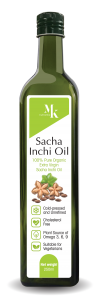
Example: Sacha inchi in form of oil
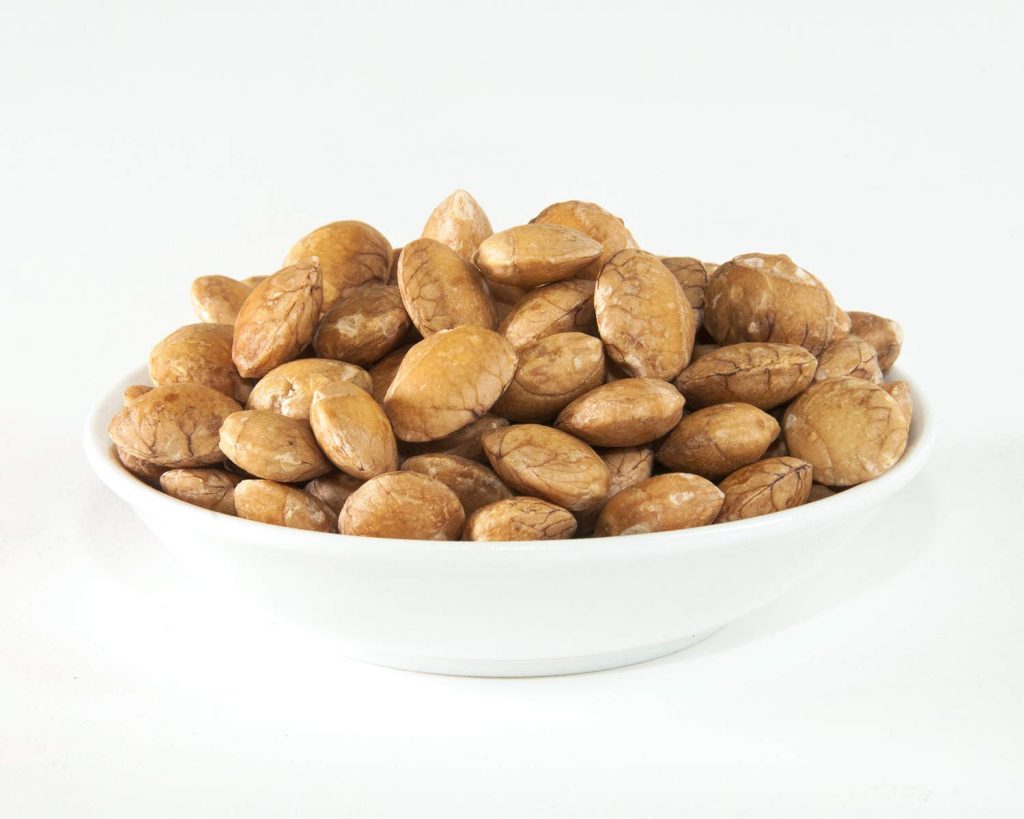
Example: Sacha inchi seeds
References
Cárdenas DM, Gómez Rave LJ, Soto JA. Biological Activity of Sacha Inchi (Plukenetia volubilis Linneo) and Potential Uses in Human Health: A Review. Food Technol Biotechnol. 2021 Sep;59(3):253-266.
Gonzales GF, Gonzales C. A randomized, double-blind placebo-controlled study on acceptability, safety and efficacy of oral administration of sacha inchi oil (Plukenetia volubilis L.) in adult human subjects. Food Chem Toxicol. 2014;65: 168–76.
Hanssen, H.-P. and Schmitz-Hübsch, M. (2011) Nuts and Seeds in Health and Disease Prevention, Chapter 117 – Sacha Inchi (Plukenetia volubilis L.) Nut Oil and Its Therapeutic and Nutritional Uses. Academic Press. Available at: https://doi.org/10.1016/B978-0-12-375688-6.10117-3 (Accessed: April 14, 2023).
In this era of globalization, most people make caffeine their loyal company day in, day out to stay alert while working. Caffeine is also well-known among adolescents and young adults to burn the midnight oil or during their café hunting endeavors.
WHAT IS CAFFEINE?
Caffeine is a natural stimulant that is widely consumed all over the world. It mainly stimulates our brain by blocking the effects of neurotransmitter adenosine that cause sleepiness and fatigue. As a result, it helps us to stay awake and prevent exhaustion.
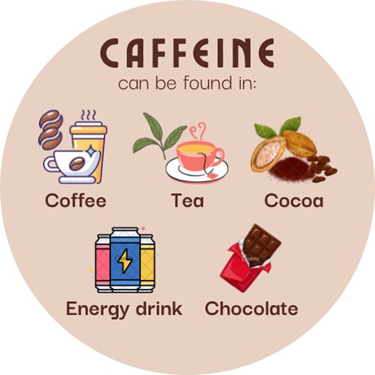
Caffeine is usually found in plants including tea leaves and cocoa beans. There are also synthetically formed caffeine that has been added in some food, drinks, tablets and supplements. Therefore, try to avoid these caffeinated foods and drinks six hours prior to sleep to prevent trouble sleeping.
(Saimaiti et al. 2022)
As we all know, consumption of caffeine has often been related to sleep problems, increased case of heart palpitations and anxiety. Nonetheless, research found that it also has various health benefits.
BENEFITS OF CAFFEINE
· Improves alertness and psychological health
A study reported that caffeine may improve alertness and decrease fatigue. Besides, caffeine has been linked to decrease risk of depression and suicide (Walter, 2022).
· Boost metabolism and burn fat
Due to caffeine’s ability to stimulate the central nervous system, it may aid in boosting metabolism and promote fat burning. However, these effects are likely to remain small over the long term (Tabrizi et al. 2019). Another study also found that caffeine may decrease appetite which can slightly help in reducing weight gain (Walter, 2022).
· Enhance exercise performance
It is reported that small amount of caffeine consumed before exercise can possibly show an acute increase in exercise performance (Diaz-Lara et al. 2022).
· Reduced risk of chronic illnesses
Several studies reported that regular consumption of caffeine may decrease the risk of developing type 2 diabetes, endometrial cancer, liver cancer, gall-stones and gall-bladder cancers (Walter, 2022).
Note: The health benefits of caffeine are influenced by the amount of caffeine intake and physical condition of the consumer as well.
SIDE EFFECTS OF CAFFEINE
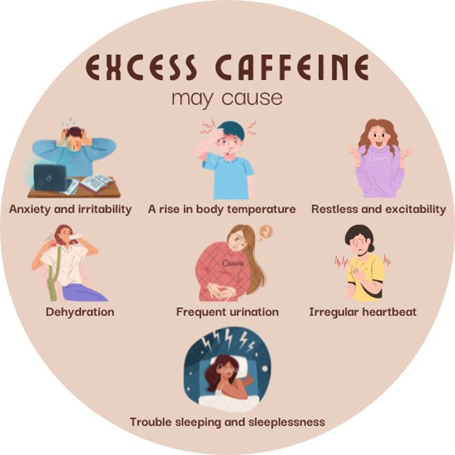
Excess consumption of caffeine is substantially associated with various side effects on our health.
(Walter 2022)
Caffeine may also interact with calcium and iron absorption that may lead to calcium and iron deficiency. Besides, it can interact with some medications causing it to limit the effectiveness of certain medications. Thus, medications and caffeinated food and drinks should be taken separately.
Note: Caffeine affects individual differently. Some individual may experience the symptoms above with a small intake of caffeine within short period of time and vice versa.
RECOMMENDED DOSAGE
It is considered safe for healthy adults to consume 400 mg of caffeine a day (FDA 2018).
As for pregnant women, you are advised to limit your caffeine intake (≤ 200 mg per day) as it can easily cross the placenta which results in increased risk of miscarriage and low birth weight.
A moderate amount of caffeine for Individual A may feel like a high dose for Individual B. In conclusion, every individual has different caffeine tolerance.
THE TAKEAWAY
Moderation is the key. Consume caffeine in moderation (≤400mg caffeine per day) so that you can enjoy the health benefits of caffeine without incurring it negative impact. You may also consider other ways to stay energized throughout the day by getting 7-8 hours of sleep per night and exercise regularly. If you have trouble staying awake and frequently feel tired, consult a doctor/physician for further assistance.
REFERENCES
Diaz-Lara, J., Grgic, J., Detanico, D., Botella, J., Jiménez, S. L. & Del Coso, J. 2022. Effects of acute caffeine intake on combat sports performance: A systematic review and meta-analysis. Critical Reviews in Food Science and Nutrition: 1-16.
FDA. 2018. How much caffeine is too much? https://www.fda.gov/consumers- updates/spilling-beans-how-much-caffeine-too-much [3 May 2023].
Saimaiti, A., Zhou, D.D., Li, J., Xiong, R.G., Gan, R.Y., Huang, S.Y., Shang, A., Zhao, C.N., Li, H.Y. & Li, H.B. 2022. Dietary sources, health benefits, and risks of caffeine. Critical Reviews in Food Science and Nutrition: 1-19.
Saleem, A. R., Iftikhar, R., Kazmi, S. M. A. & Majeed, A. 2022. Effects of caffeine on mood, memory and attention. Pakistan Journal of Medical & Health Sciences 16(10): 541- 541.
Tabrizi, R., Saneei, P., Lankarani, K. B., Akbari, M., Kolahdooz, F., Esmaillzadeh, A., Nadi- Ravandi, S., Mazoochi, M. & Asemi, Z. 2019. The effects of caffeine intake on weight loss: a systematic review and dos-response meta-analysis of randomized controlled trials. Critical Reviews in Food Science and Nutrition 59(16): 2688-2696.
Walter, K. 2022. Caffeine and health. JAMA 327(7): 693-693.
Diabetic foot is one of the most devastating complications of diabetes, which is defined as infection, ulceration or destruction of tissues at the foot. It is usually the result of poor glycemic control, underlying nerve damage, peripheral vascular disease, or poor foot care.
According to World Health Organization, the global prevalence of diabetes among adults of > 18 years old has risen from 4.8% in 1980 to 8.5% in the year of 2014. As the numbers of newly diagnosed diabetics increase yearly, the incidences of foot ulcer also increase.
ETIOLOGY
The etiology of diabetic foot ulcer is multifactorial, however the common underlying causes are:
Poor blood sugar control
Formation of calluses
Foot deformities
Improper foot care
Underlying nerve damage / poor blood circulation of lower limbs
Dry skin
PRESENTATION OF THE WOUND
Well defined wound
Punch out-look
Surrounding skin will often be calloused
Depth of wound typically depending on the thickness of callous
Callus
The most common cause of ulceration is due to repetitive mechanical forces of gait, which lead to callus (pre-ulcerative lesion). When the callus becomes too thick, the callus will press on the soft tissues underneath which eventually lead to ulceration.
A layer of whitish, macerated, moist tissue found under the surface of the callus indicates that the foot is close to ulceration, and urgent removal of the callus is necessary.
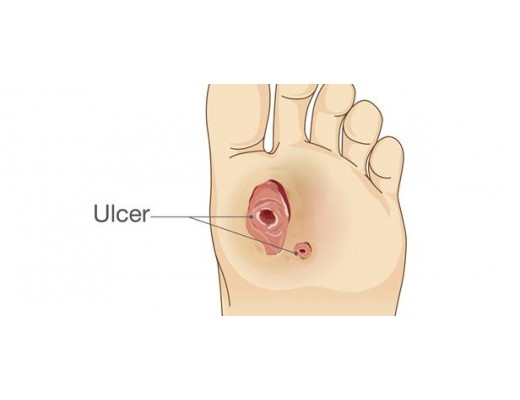
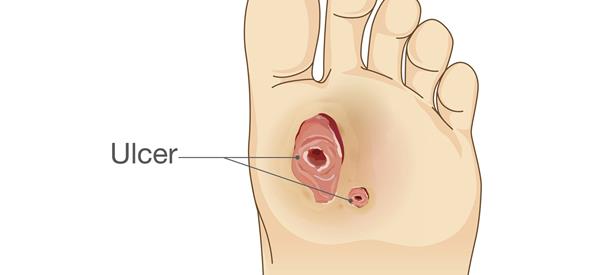
Figure 1 showing diabetic ulcer revealed underneath of callus.
TREATMENT
PHARMACOLOGICAL TREATMENT
Oral Analgesic
Simple pain killer ( e.g. paracetamol or NSAIDs) should be considered in mild and moderate pain in diabetic foot ulcer patient.
Topical antibiotic
Topical antibiotics are used to treat infected wound or to further prevent infection in uninfected wound.
Oral Antibiotic
Oral antibiotic will be prescribed by physician when there are systemic symptoms of infection in diabetic foot ulcer patient.
NON PHARMACOLOGICAL TREATMENT
Wound care
Wound care is important in management of diabetic foot. There are different types of wound dressing which helps in reduce symptom, provide wound protection and improve wound healing. It has 3 important steps in diabetic wound management:
Debridement
Debridement is a process of removing debris and surrounding callus that will slow down wound healing and causes infection.
Offloading
Offloading is the process of redistribution the pressure off the wound to the entire weight-bearing surface of the foot. It can be achieved by either wearing temporary footwear until ulcer heal or wearing pressure-relief devices
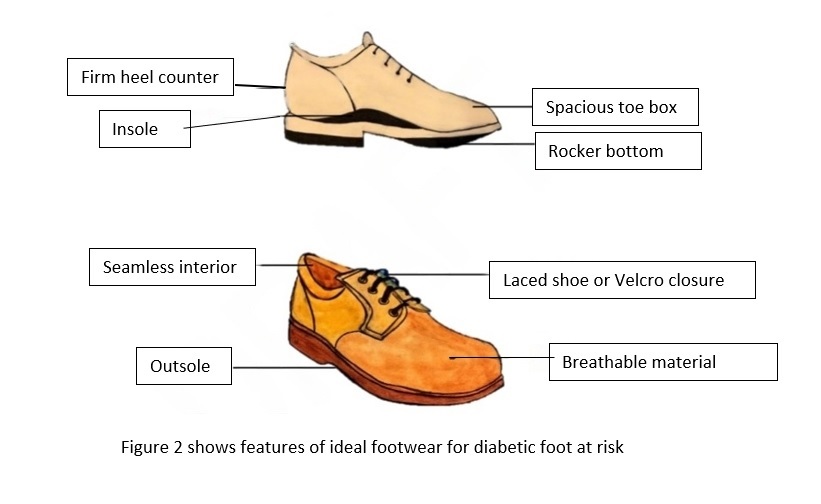
Mechanical loading of feet during daily activities, e.g. walking or standing which exposes pressure on plantar surface causing compression and shear stress. This pressure and stress will be aggravated by foot deformities ( e.g. hammer and claw toes) which are very common in diabetic patients. Therefore patients are advised on using footwear that fits, protects and accommodates the shape of feet (with socks). Patient who are at moderate or high-risk are usually prescribed with footwear with removable cast boots to decrease the pressure on affected area. It has to ensure that it fits, protects and supports the foot.
Figure 3 shows example of removable cast boots for patient with diabetic foot ulcer.
c. Appropriate wound dressing
Dry wound needs topical application that add moisture to the wound
Diabetic wound with heavy exudates needs a dressing to absorb moisture.
Dressings need to be changed at least daily in order to apply clean wound covering & monitor infected wound.
Supplementation
Vitamin B12
Vitamin B12, which is also known as cobalamin is vital for proper functioning and development of nervous system. Nerve damage with symptoms of pain, tingling, numbness and loss of sensation is often associated with Vitamin B12 deficiency.
Metformin, which is one of the diabetic agent commonly used for diabetic patient has confirmed that its long term use has contributed to vitamin B12 deficiency in patient with diabetic disease. Metformin has been reported to lead to malabsorption of vitamin B12. Therefore, diabetic patient who is taking metformin is encouraged to consume vitamin B12 through diet or supplement. This is to prevent development of nerve damage which eventually leads to foot ulcer.
PREVENTION
Patients who are at high risk of developing diabetic foot ulcer need to know the basic care of foot, callus and nail, this should be done regularly to prevent foot problems. Diabetic foot prevention can be done by:
Lifestyle modification
Having good glycemic and blood pressure control by taking medication, follow diet plan, exercise regularly, and monitor blood sugar regularly through HbA1c test is important to reduce the incidence of diabetic foot ulcer and subsequent risk of amputation.
Smoke cessation
Do not smoke as it reduce blood flow in feet.
Take good care of feet hygiene by washing them daily with mild soap. Use only lukewarm (below 37°C) and not hot water. Do not soak feet as it can cause dry skin.
Use moisturizer daily to keep dry skin from itching or cracking. But do not moisturize between the toes as it could risk an infection to occur
Cut toenails carefully after washing and drying the feet. Do not cut nails too short as this could lead to ingrown toenails.
No self-treat corns or calluses.
Wear clean and dry socks which are not too tight and are light coloured. Socks with extra cushioning, no elastic top, higher than ankle, made from fibers material are preferred.
Never walk barefoot indoors or outdoors.
Put feet up when sitting to ensure good blood circulation. Keep the blood flowing to feet by wiggling toes and moving ankles for five minutes, 2 – 3 times a day. Don’t cross legs for long periods of time.
Seek for treatment if there is presence of pain, noticeably red or discolored areas, discharge, bad smell, ulcer, blister or if feeling generally unwell with difficulty controlling blood sugar level
REFERENCE
Ministry of Health Malaysia. Clinical practice guideline: Management of diabetic foot. 2nd ed. Ministry of Health Malaysia. http://www.moh.gov.my/. 2018.
Edmonds ME, Foster AV. ABC of wound healing: Diabetic foot ulcers. BMJ. 2006 May 1;332(Suppl S5).
MIMS Malaysia. Infectious Disease: Diabetic Foot Infection. https://specialty.mims.com/diabetic%20foot%20infection/signs%20and%20symptoms?channel=infectious-diseases.
Badedi M, Darraj H, Hummadi A, Solan Y, Zakri I, Khawaji A, Daghreeri M, Budaydi A. Vitamin b12 deficiency and foot ulcers in type 2 diabetes mellitus: A case–control study. Diabetes, Metabolic Syndrome and Obesity: Targets and Therapy. 2019 Dec 6:2589-96.
Aging is a biological process measured by temporal continuity, heterogeneity on cellular, somatic and molecular level, and, the ability of being modulated. It is a process characterized by social, physical and physiology of human beings. National Policy on Older Persons stated that people aged 60 years and above are categorized as elderly but it varies globally depends on the percentage in the country. Aging process causes various physical and cognitive changes thus stresses on proper nutrition intake to achieve successful aging. Bad dietary habits among elderly will lead to various chronic diseases such as type II diabetes, atherosclerosis, coronary heart disease and malnutrition. Besides, decrease in food intake results in nutrient deficiencies and cause problems such as loss of bone density and muscle mass plus functional decline. This proves that nutrient intake in elderly plays an important role to maintain a healthy body.
Generally, energy requirement for elderly will be lower than young adults as their energy expenditure decreases due to their health condition. Elderly are advised to meet their energy requirement through a healthy diet.
IMPORTANT NUTRITIONS FOR ELDERLY
1. Protein
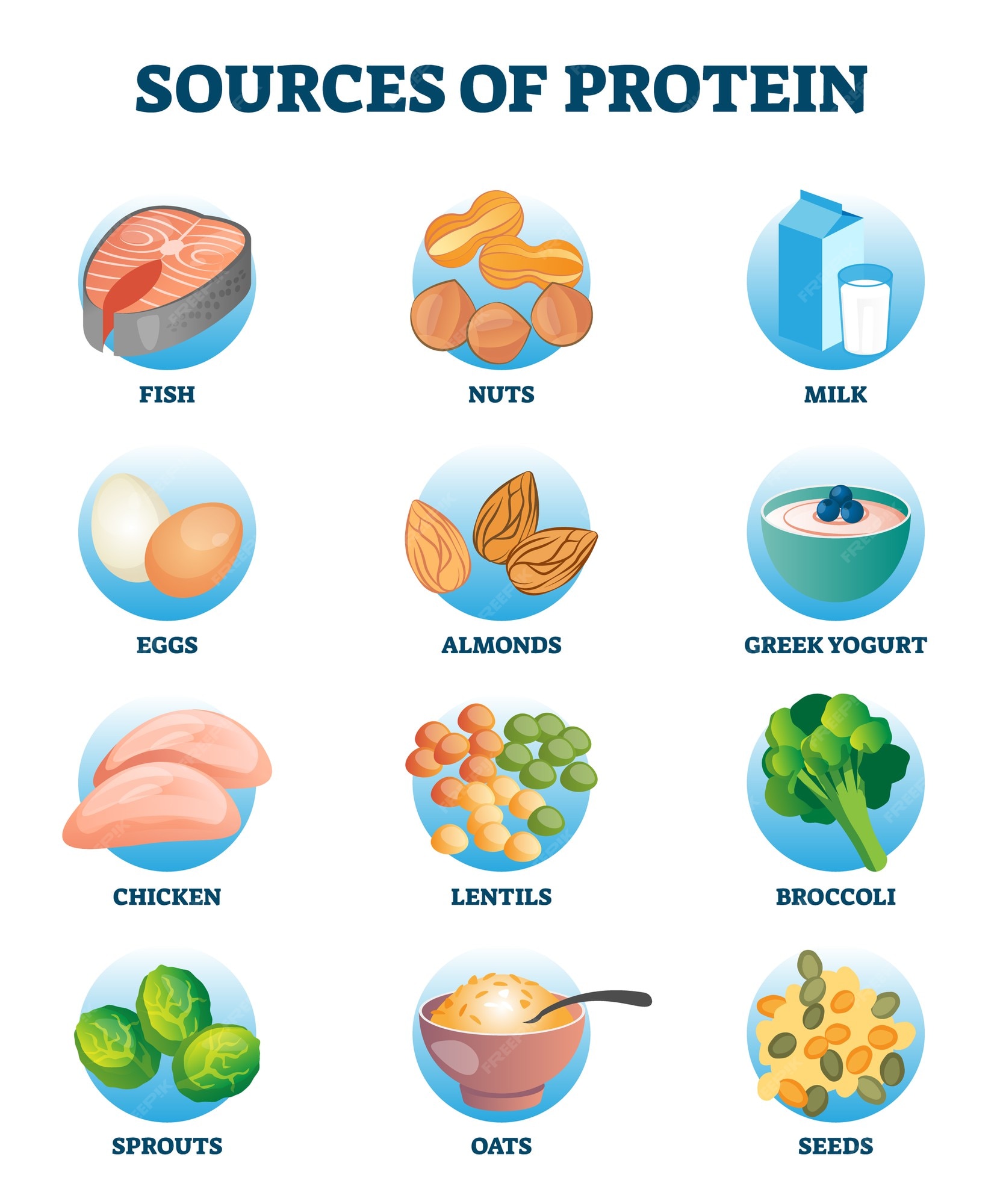
Protein is a macronutrient used to build up muscle, replenish body fluid and help metabolism process in the form of enzymes and hormones. Older persons are exposed to protein malnutrition and declining fat free mass thus making it compulsory for them to consume 1.2 to 2g of protein per day. Declinations of fat free mass which cause weakness in skeletal muscle commonly occur among elderly. Besides elderly, people who undergo weight training and regularly maintain their fitness are well associated to this kind of problem. Sufficient protein intake can be fulfilled by consuming milk products, egg, meat, fish and chicken as well as pulses and nuts. However, it is advisable to consume eggs, whole milk, and fatty meats sparingly as they are also rich sources of fat and cholesterol.
2. Fiber
Fiber is an indigestible carbohydrate which cannot be broken down into sugar molecules. It can help to relieve constipation and lower blood cholesterol level among elderly. Fiber slows down sugar absorption in the body and helps keep hunger at bay. It is recommended to consume approximately 25-30g of fiber daily in our diet. Elderly needs to consume fruits and vegetables in their meal in order get all the benefits from them. Green leafy vegetables are rich in iron hence favorable for elderly that suffers from anemia while yellow and orange fruits are rich in beta-carotene, an antioxidant agent that helps scavenge free radicals.
3. Carbohydrate
Carbohydrates are mostly found in starches, sugar and fibers. Carbohydrates are converted to glucose and help to generate energy to the body by supporting bodily function on daily basis. Elderly are required to consume approximately 130g of carbohydrate daily in their diet. In general, elderly suffers low sense of taste and smell and chewing difficulties thus affecting their appetite. This encourages them to choose food that is easier to digest such as carbohydrate-rich food. Carbohydrate intake in elderly should be monitored and restricted especially on sugar intake and refined cereals in diets. Unhealthy food choice can be substituted with fiber rich foods such as fruits, whole cereal, vegetables and other complex carbohydrate that digest slower thus helps in regulating blood sugar level.
4. Fat
Other than source of energy, fat helps to add palatability and is required for synthesis of fat soluble vitamins such as vitamin A, D, E and K. Fat has numerous benefits and according to World Health Organization 2022, there is no need to restrict its consumption except for people who are overweight and obese. Nevertheless, saturated fats intake should be minimized and not exceed 8% of total energy intake while recommended fat consumption is between 20-30% from daily calorie intake. Fats that are advisable to consume are particularly unsaturated fats such as omega-3 and omega-6 fatty acids that are usually found in fish, soy canola seed and oil, seaweed and green leaves. Both of these omegas help to regulate blood pressure and slow down inflammatory responses. Fats such as butter, ghee and refined oils should be taken moderately while fried foods, pastries and fatty meat should be avoided for elderly.
5. Calcium & Vitamin D
Osteoporosis and bone problems are usually associated with older people due to their lack of calcium and vitamin D intake. People aged 70 are recommended to consume at least 600 IU of vitamin D (up to 1000 IU/day) and 1200 mg of calcium per day. It can be obtained from calcium-rich food such as milk and milk products namely cottage cheese and curd, green leafy vegetables, and sesame seeds. Vitamin D is also important for elderly as it helps in calcium absorption. It is mostly found in flesh of fatty fish including salmon, tuna, and mackerel.
DIET SUGGESTIONS
1. Okinawan Diet
Okinawan diet is a diet that contains 30% of sugar and 15% of grains in dietary intake. It contains approximately 30% of green and yellow vegetables and sweet potato is used to replace rice. This kind of diet are claimed to have low level of saturated fat and glycemic index and is able to help reduce risk of cardiovascular disease, some cancers, and other chronic diseases.
2. Mediterranean Diet
Mediterranean diet is a traditional diet from Greece that focus on consumption of plant based foods such as olive oil, legumes, unrefined cereals, fruits and vegetables. Fish, seafood, dairy and poultry are included in moderate while red meat and sweets are consumed occasionally. This type of diet are more focused on olive oil as it is monounsaturated fat that can help lower total cholesterol and low density lipoprotein (LDL).
THE BOTTOM LINE
Aging individual generally experience extra health problems and tends to have high dependency to certain medication compared to others. This indirectly affects their health and nutritional intake. Majority of elderly are shown to face common disorders like osteopenia, type II diabetes, malnutrition, cognitive decline and nutritional deficiencies. Balance nutrition and adequate intake of nutrients following a health standard may help to prevent above problems in elderly. Suitable dietary plan and recommended nutritional intake should be emphasized among older people to improve their geriatric health and decrease the prevalence of chronic disease.
REFERENCES
Kaur, D., Rasane, P., Singh, J., Kaur, S., Kumar, V., Mahato, D. K. & Kumar, S. (2019). Nutritional interventions for elderly and considerations for the development of geriatric foods. Current aging science, 12(1), 15-27.
Masoro, E. J., & Austad, S. N. (Eds.). (2010). Handbook of the Biology of Aging. Academic press.
Nieves, J. W. (2003). Calcium, vitamin D, and nutrition in elderly adults. Clinics in geriatric medicine, 19(2), 321-335.
Roseland, J. M., Phillips, K. M., Patterson, K. Y., Pehrsson, P. R., & Taylor, C. L. (2018). Vitamin D in foods: An evolution of knowledge. In Vitamin D (pp. 41-77). Academic Press.
Willcox, D. C., Willcox, B. J., Todoriki, H., & Suzuki, M. (2009). The Okinawan diet: health implications of a low-calorie, nutrient-dense, antioxidant-rich dietary pattern low in glycemic load. Journal of the American College of Nutrition, 28(sup4), 500S-516S.
In recent years, there are variety of diets that has been introduced to current society each with their own benefits, pros and cons towards body health. Ketogenic diet is a part of diet that has been practiced by most individuals. Ketogenic diet also known as keto diet is a type of diet that involves consumption of high amount of fat, moderate amount of protein and very few carbs. Keto diet recommended that 75% of calories come from fat, 20% from protein and 5% from carbohydrate sources. Mainly, keto diet restricts carbohydrate intake to less than 25 to 50 grams per day.
Some guidelines of food sources in keto diet:
HOW DOES KETO DIET WORKS?
In normal conditions, our body especially brain and nervous system use glucose (a form of sugar) that come from carbohydrate sources as their primary source of energy.
Keto diet on the other hand uses fat or ketones (acids produced in the liver) as the primary source of energy. By practicing keto diet, our body received low amount of glucose thus sugar is depleted and cannot be used as the main energy source. Hence, our body system changes the usual energy supply of sugar to fat as well as ketones. This phase is known as ketosis, in which body system depends on fat as well as ketones as its key power source.
BENEFITS OF KETOGENIC DIET
1. Treat difficult-to-control epilepsy in children
A study showed that children suffering from epilepsy who practice keto diet had reduced episode of seizures similar to those who were on medications. This decrease in seizures episodes is due to the brain utilizing ketone bodies as energy (Li & Heber, 2020).
2.Promoting weight loss
Another study showed that keto diet stimulates weight loss for short-term period by reducing the calories intake through higher consumption of fat and protein which aids to enhance satiety (Alharbi & Al-Sowayan, 2020).
3.Control blood glucose in patients with pre-diabetes and type 2 diabetes
Patients with pre-diabetes and diabetes who followed this diet for three months observed a change in their blood glucose through an improved Hba1c result (O’Neill & Raggi, 2020)
POTENTIAL RISKS AND SIDE EFFECTS OF KETOGENIC DIET
Some study showed that there was a phenomenon known as Keto Flu which exhibit symptoms such as drowsiness, fatigue, nausea, poor breathing, poor concentration, indigestion, insomnia and depression. This phenomenon will last for a week causing the body to lose fat and experience drastic weight loss.
Besides, keto diet lacks in fiber and some important nutrients such as calcium, magnesium, potassium, vitamin A and B.
Also, keto diet enhances the process of ketosis that will use fat and elevate amount of ketones in the body. Continuous usage of ketones and its increase will cause blood to become acidic and harmful to the body.
Furthermore, it can increase the level of LDL in the blood due to high intake of saturated fats in the diet.
KETOGENIC DIET IN LONG TERM
By restricting macronutrients such as carbohydrates, protein or fat in long term, our body will experience craving that may lead us to give up the diet.
After an individual decided to stop practicing keto diet and start eating normally, they will likely consume foods they were restricting before double the normal amount hence causing weight rebound or drastic increase of body weight.
Moreover, by consuming higher fat content in keto diet, our body are no longer sensitive towards insulin due to the low amount of carbohydrate that normally stimulate insulin production for the conversion of glucose in the body. Thus, it is not suitable for diabetic patients especially for those who are on insulin injection due to high risk of hypoglycemic episode.
THE BOTTOM LINE
Keto diet generally works only for short-term period. Though it provides some benefits momentarily, we also need to consider the consequences that might happen after we stop practicing it. Diets that had restriction of certain macronutrients do not provide adequate and balance nutrients to our body thus will cause health problems and might prove hard to practice. Our body needs complete nutrients namely carbohydrate, protein, fat, vitamin, mineral and fibers to function efficiently. Therefore, diet consisting of balance, and adequate nutrients is more encouraged so that it can be practice consistently.
REFERENCES
Alharbi, A., & Al-Sowayan, N. S. (2020). The Effect of Ketogenic-Diet on Health. Food and Nutrition Sciences, 11(04), 301–313. https://doi.org/10.4236/fns.2020.114022
Li, Z., & Heber, D. (2020). Ketogenic Diets. JAMA – Journal of the American Medical Association, 323(4), 386. https://doi.org/10.1001/jama.2019.18408
O’Neill, B., & Raggi, P. (2020). The ketogenic diet: Pros and cons. Atherosclerosis, 292, 119–126. https://doi.org/10.1016/j.atherosclerosis.2019.11.021
Globally, the popularity of plant-based diets has increased, largely due to its positive impacts for human health and the environment. Plant based diet is when eating habits are largely plant-based or plant-forward emphasized. This diet includes whole grains, legumes, beans, nuts, seeds, and oils in addition to fruits and vegetables (McManus, 2018).
A plant-based diet can help athletes perform better by reducing weight, building slimmer bodies, and enhancing stamina, according to recent studies. Athletes, who require weight control, speed, and endurance in particular should consider the benefits of practicing plant-based diets. As research indicates, reduction in meat-based foods and an increase in plant-based foods can contribute to a reduction in body fat percentage and, consequently, leaner body mass. Leaner body mass promotes improved athletic performance.
One of the earliest studies on the body composition of American Olympians revealed that they had more lean body mass and a lower body fat percentage than collegiate athletes. More recent research has been done to look at the body composition of professional athletes. Although body fat percentage and lean body mass varied by sport in various studies of collegiate athletes, athletes nevertheless had lower overall body fat percentages than other college students (Rizal, 2021).
However, there are few downsides of consuming a plant-based diet. Protein is present in plant-based diets, albeit in lower amounts than in animal-based foods, and they typically include a high concentration of one of the other macronutrients. A chicken breast, for instance, contains 80% protein and 20% fat, while raw chickpeas contain 22% protein and 65% carbohydrates. Plant proteins are more difficult to digest, frequently “incomplete” (lacking essential amino acids), and frequently poor in branched chain amino acids (BCAA), which are crucial for muscle synthesis.
Moreover, the presence of phytic acid reduces the bioavailability of nutrients such as zinc and iron in plant-based food products. Micronutrients such as vitamin B12, iron, calcium and zinc are least available in plant-based food and can be found mainly in animal based food products. The substitutes for these vitamins can only be obtained in supplements in order to fully obtain the benefits among athletes. Deficiency of iron causes anaemia which leads to muscle injury and fatigue during strenuous activities. Calcium inadequacy in a sportsperson causes reduced bone density that further leads to bone fragility (BioSteel US, 2023).
There are several ways to manage a healthy plant-based diet while being an athlete. Vitamin B12 deficiency can be overcome by consuming food rich in that specific nutrient such as nutritional yeast, fortified soy and almond milks. If there is no sufficient source in getting enough iron each day, they can consume more plant sources of the mineral, such as green vegetables, cereals, legumes, nuts, and seeds.
The main iron supply for vegans is non-haem iron, which is less accessible than the haem iron present in animal products. Consuming ascorbic acid (vitamin C) along with an iron-rich meal can, however, increase the bioavailability of non-haem iron. Citrus fruits, bell peppers, strawberries, and kiwifruit are just a few foods that contain vitamin C. In the event that the athlete avoids dairy products, plant sources of calcium include tofu, fortified plant milks and juices, broccoli, and leafy greens like kale. Beans, nuts, seeds, oats, and wheat germ are examples of plant sources of zinc (Harrington, 2020).
CONCLUSION
When it comes down to it, vegan athletes may face some additional dietary difficulties. While it can be challenging for many athletes to achieve nutritional requirements, those who follow a plant-based diet may be more susceptible to nutrient shortages, particularly when it comes to protein and several vitamins and minerals. However, all nutrient needs can be satisfied with careful meal planning, preparation, strategic replacement of animal foods with plant meals of comparable nutritional content, and supplementation. In conclusion, a plant-based diet should at least be given some thought by athletes who want to obtain a competitive edge in all areas of health that can positively affect their performance.
REFERENCES
BioSteel US. (2023). Are Vegan Athletes at a Disadvantage in Pro Sports? [online] Available at: https://biosteel.com/blogs/news/are-vegan-athletes-at-a-disadvantage-in-pro-sports
Harrington, J. (2020, April 22). 5 Tips for Creating a Plant Based Diet for Athletes | CSP Global. CSP Global. https://online.csp.edu/resources/blog/plant-based-diet-for-athletes/
McManus, K. (2018). What is a plant-based diet and why should you try it? [online] Harvard Health Blog. Available at: https://www.health.harvard.edu/blog/what-is-a-plant-based-diet-and-why-should-you-try-it-2018092614760.
Ostfeld, R.J. (2017). Definition of a plant-based diet and overview of this special issue. Journal of geriatric cardiology : JGC, [online] 14(5), p.315. doi:https://doi.org/10.11909/j.issn.1671-5411.2017.05.008.
Rizal, E. (2021). Benefits of Plant-Based Diets in Athletic… [online] Berkeley.edu. Available at:https://pha.berkeley.edu/2021/04/11/benefits-of-plant-based-diets-in-athletic-performance/.
Lactose is a sugar naturally found in milk and dairy products. Lactose needs to be broken down into glucose and galactose in the intestine by an enzyme called lactase. Approximately 65% of people across the globe are unable to digest lactose and categorized as lactose intolerant. It occurs due to insufficiency or absence of lactase enzyme to break down lactose in the gut. Consequently, the undigested lactose that passes through the colon may cause several symptoms such as bloating, abdominal pain, diarrhea and constipation which create discomfort to the body. There are several types of lactose intolerance:
Primary lactose intolerant
Secondary lactose intolerance
Congenital -Present at birth and mostly a rare case
Damage/injury within the intestine due to gastroenteritis
Delayed (adult form) -Developed around the age of 20 years old
Bowel diseases such as celiac disease Bowel surgery
Lactose intolerance is a common disorder and can be controlled by limiting food that contains lactose. The amount of lactose an individual can tolerate varies from person to person. Some might need to adjust the type, amount and timing of the food while some left with no option but to completely eliminate lactose in their dietary intake.
To highlight, most lactose-containing food such as cow’s milk and dairy products are the nutrient powerhouse to our bodies because they supply calcium, phosphorus, choline, vitamin B12 and high-quality protein. Avoidance of these food groups can lead to imbalanced nutrition intake and it is associated with poor bone health. Thus, dietary approach is the best way to counter nutritional deficiency caused by lactose intolerance.
DIETARY GUIDELINE
Choose lactose-free products
Lactose-free products are safe to consume as lactose is already pre-digested at the production level, thus it can provide an identical amount of nutrients as normal milk or dairy products. For example, lactose-free milk, cheese and yoghurt drink.
Additionally, lactose-free products are also available in formula milk to accommodate lactose intolerance among babies and toddlers.
Choose plant-based products
Milk alternatives from plant-based sources such as fortified soy milk, almond milk and oat milk can be the best substitute to cow’s milk. Plus, it is a healthier choice as well as plant-based foods are cholesterol-free!
Yoghurt
Most yogurts are considerably harmless to lactose intolerants. Few studies reported that despite their lactose content, yogurts contain live organisms (probiotics) such as β-galactosidase that are able to hydrolyze lactose and facilitate its absorption inside the intestine.
Check the food label
Lactose intolerants are advised to meticulously check food labels as some ingredients are hidden lactose which possibly causes unintended symptoms later. Baked goods, ice creams, cake mixes, butter, margarine, breakfast cereals and chocolates are typically lactose-based. Food ingredients that indicate lactose content are:
Milk sugar
Whey or whey protein concentrate
Curds
Cream
Condensed milk
Goats milk
Butter
Buttermilk
Evaporated milk
Malted milk
In addition, ingredient names that look alike to lactose such as lactic acid, lactate and lactalbumin are unrelated to lactose hence it is safe to consume.
BOTTOM LINE
All in all, people with lactose intolerants can enjoy vast sources of food as long as it is lactose-free or has reduced-lactose content. Adherence to this dietary guideline is highly recommended to prevent unwanted symptoms and to ensure balanced nutrition is well-supplied daily despite some food limitations.
Facioni, M.S., Raspini, B., Pivari, F. et al. (2020). Nutritional management of lactose intolerance: the importance of diet and food labelling. J Transl Med 18, 260. https://doi.org/10.1186/s12967-020-02429-2




.png)
.png)

 (1).png)
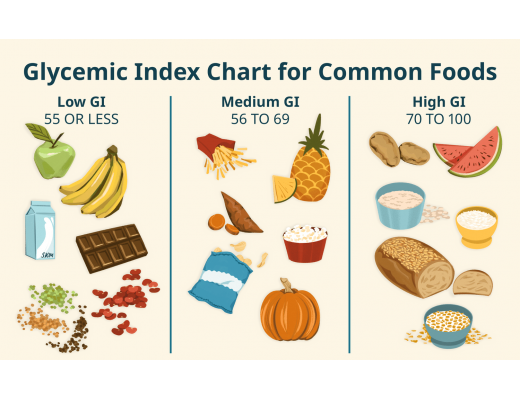
.jpg)
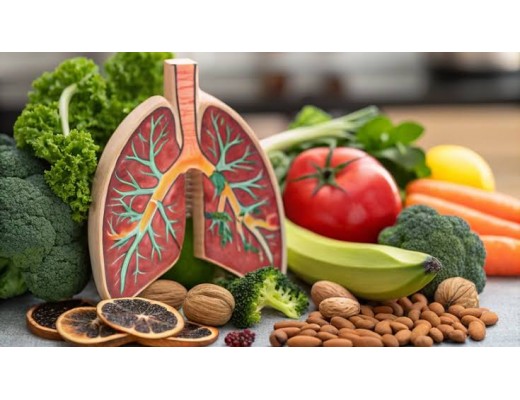
.jpg)