
Health Articles

Find out more about your health here from our health professionals!

Balancing Key Nutrients in Chronic Kidney Disease

Chronic kidney disease (CKD) is marked by long term, irreversible loss of function. Since it is irreversible, what we can do is only slow down its progress to end-stage renal disease (ESRD) which requires dialysis. Diabetes and high blood pressure are the most common causes of CKD. For the person having diabetes or high blood pressure, working with doctor to keep blood sugar and blood pressure under control is the best way to prevent kidney disease.

Why is good nutrition important for people with CKD?

Making healthy food choices is important to us all, but it is even more important if you have chronic kidney disease. Good nutrition gives you energy to:
– Do your daily tasks
– Prevent infection
– Build muscle
– Help maintain a healthy weight
– May keep your kidney disease from getting worsen

Will I need to control any other nutrients?

When your kidneys are not working as well as they should, waste and fluid build up in your body. Over time, the waste and extra fluid can cause heart, bone and other health problems.
You may need to balance fluids and other nutrients. There are:
– Sodium
-Phosphorus
-Potassium

SODIUM

Sodium is a mineral found in most foods. It is also found in table salt. Sodium affects blood pressure and water balance in body. If your kidneys do not work well, sodium and fluid build up in your body. This can cause high blood pressure and other problems, like swelling of ankles.

You can limit sodium by avoiding table salt and foods such as:
– Seasonings like soy sauce, sea salt, teriyaki sauce
– Most canned foods and frozen foods
– Processed meats like ham, bacon, hot dog, sausage
– Salted snack foods like chips and crackers


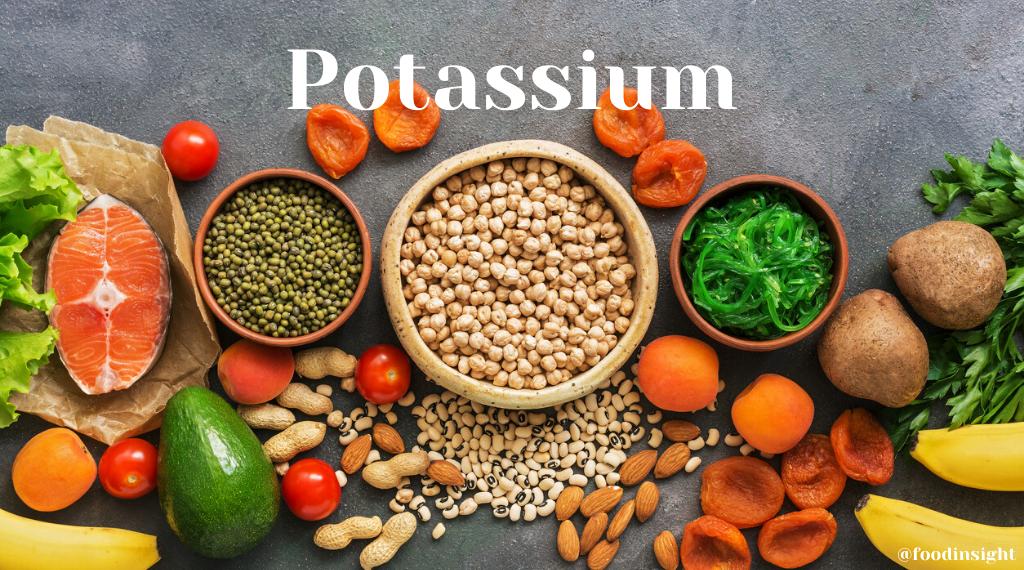
POTASSIUM

Potassium is a mineral found in almost all foods. Your body need some potassium to make your muscles work, but too much potassium can be dangerous. When your kidneys are not working well, your potassium level may be too high or too low.
Having too high or too low of potassium can cause muscle cramps, problems with heart beats and muscles weakness.

Use the list below to get some ideas about how to make healthy choices if you need limit potassium.

Eat this.. (Lower potassium foods)
Avoid this.. (High potassium foods)
Apples, cranberries
Oranges, Banana, Avocado, Prunes
Carrots, Onions
Potatoes, Tomatoes
White rice
Brown rice
Cauliflower, lettuce
Dairy foods (milk, yogurt)
Beef and chicken
Whole-wheat bread and pasta

Beans and nuts


PHOSPHORUS

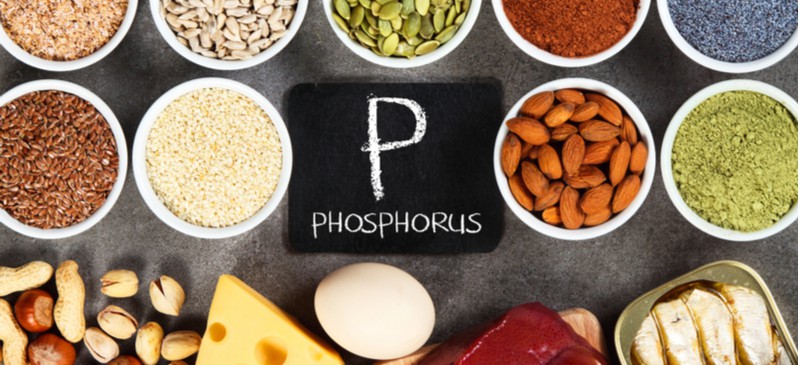
Phosphorus is a mineral found in almost all foods. It works with calcium and vitamin D to keep your bones healthy. Healthy kidneys keep the right amount of phosphorus in your body. When your kidneys are not working well, phosphorus can build up in your blood. Too much phosphorus in your blood can lead to weak bones that break easily.

Use the list below to get some ideas about how to make healthy choices if you need limit potassium.


Eat this.. (Lower phosphorus foods)
Avoid this.. (High phosphorus foods)
Italian, French bread
Bran cereals and oatmeal
Fresh fruits and vegetables
Dairy foods
Corn or rice cereals
Beans and nuts
Some light-colored sodas (homemade iced tea or lemonade)
Dark-colored colas


FLUIDS

You need water to live, but when you have kidney disease, you may not need much water. This is because damaged kidneys do not get rid of extra fluids as well as they should. Too much fluids in your body can be dangerous. It can cause high blood pressure, swelling and heart failure. Extra fluid can also build up around your lungs and make it hard to breathe.

Depending on your stage of kidney disease, your doctor may tell you to limit fluid. To avoid dehydration, let your doctor help plan your fluids intake.


Breastfeeding


1. DATA & STATISTIC OF BREASTFEEDING

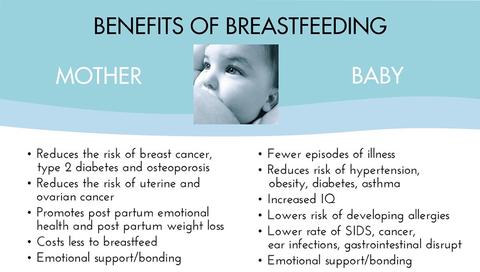
Breastfeeding provides numerous benefits for mothers and their children. However, currently, only 40% of the global average rate of infants below six months of age was exclusively breastfed, with only 23 countries managed to achieve rates of 60% or higher. World Health Organization (WHO) Global Nutrition Targets 2025 has set targets to achieve at least 50% rate of exclusive breastfeeding among members’ countries. The National Plan of Action for Nutrition of Malaysia III (NPANM III), 2016-2025 has set another indicator to achieve at least 70% of infants below 6 months of age to be exclusively breastfed by 2025.

In Malaysia, the prevalence of exclusive breastfeeding was 19.3% in 2006 and has increased to 47.1% in 2016. Even though there was an increment, this was still less than the targeted prevalence set by WHO and NPANM III.

2. BENEFITS OF BREASTFEEDING

Benefits of Breastfeeding 


Children who are breastfed experience improved dental health and neuro developmental outcomes. They have decreased risk of:

  • Otitis media
  • Diarrhoea
  • Respiratory tract infection
  • Necrotizing enterocolitis
  • SIDS
  • Atopic dermatitis
  • Asthma
  • Celiac Disease
  • Crohn’s Disease and ulcerative colitis
  • Late-onset sepsis in preterm infants
  • Type 1 and type 2 diabetes
  • Leukaemia
  • Childhood overweight and obesity

Maternal Benefits

There are also maternal health benefits to breastfeeding such as decreased risk of the following:

  • Decreased excessive menstrual blood loss
  • Breast, ovarian, endometrial and thyroid cancers
  • Hypertension
  • Type 2 diabetes
  • Rheumatoid Arthritis

Breastfeeding is also a great benefit to the environment and society. It was shown that breastfeeding families become sick less often and the parents miss work less. Breast milk will be always available, at the right temperature and ready to be fed,there is no risk of contamination, even in the case of emergency situations, such as natural disasters.

3. HOW MUCH & HOW OFTEN TO BREASTFEED

One of the most common questions new parents have is how often their baby should be fed. The best answer is surprisingly simple: in general, babies should be fed whenever they seem hungry.

Every baby is different. How much and how often your baby feeds will depend on your baby’s needs. Here are a few things to know about how much and how often babies breastfeed during the first days, weeks, and months of life.

First Days

  • Your newborn baby’s belly is tiny. He or she does not need a lot of milk with each feeding to be full.
  • Your baby may want to eat as often as every 1 to 3 hours. Frequent feeding helps increase your milk supply and gives your baby practice at sucking and swallowing.
  • You may be able to hear your baby sucking and swallowing the breast milk.
  • Most babies who are getting breast milk should not be fed infant formula in the first few days. If you are concerned about meeting your baby’s needs, talk to a lactation consultant, or your baby’s nurse or doctor, right away to find out how to address any breastfeeding problems and determine the best way to meet your baby’s needs.

First Weeks and Months

  • Over the first few weeks and months, the time between feedings will start to get longer— on average about every 2 to 4 hours for most exclusively breastfed babies. Some babies may feed as often as every hour at times, often called cluster feeding, or may have a longer sleep interval of 4 to 5 hours.
  • How often your baby feeds might change depending on the time of day. Some feeding sessions may be long, and others short. That is okay. Babies will generally take what they need at each feeding and stop eating when they are full. They should seem content and drowsy after feeding when they have had enough milk.
  • Your baby will breastfeed about 8 to 12 times in 24 hours.

6 to 12 Months

  • Breastfed babies’ feeding patterns (how often and how long they feed) vary and will likely change as they grow and start eating more solid foods.
  • If your baby seems to be less interested in breastfeeding after you introduce solids, try breastfeeding first before you offer solids.
  • Your breast milk is the most important source of nutrition, even after you start feeding your baby solids.

12 to 24 Months

  • The number of times a day a toddler breastfeeds varies. Some want to breastfeed only before bed or in the morning, while others continue to drink breast milk as a bigger portion of their daily diet. Continue to follow your child’s cues to decide when he or she is hungry and wants to breastfeed.

4. PROPER STORAGE & PREPARATION

  • Wash your hands well with soap and water. If soap and water are not available, use an alcohol-based hand sanitizer that contains at least 60% alcohol.
  • Mothers can express breast milk by hand or with a manual or electric pump.
  • If using a pump, inspect the pump kit and tubing to make sure it is clean. Discard and replace mouldy tubing immediately.
  • If using a shared pump, clean pump dials, power switch, and countertop with a disinfectant wipe.

Storing breast milk after expressing:

  • Use breast milk storage bags or clean, food-grade containers to store expressed breast milk. Make sure the containers are made of glass or plastic and have tight fitting lids.
    • Avoid bottles with the recycle symbol number 7, which indicates that the container may be made of a BPA-containing plastic.
  • Never store breast milk in disposable bottle liners or plastic bags that are not intended for storing breast milk.
  • Freshly expressed or pumped milk can be stored:
    • At room temperature (77°F or colder) for up to 4 hours.
    • In the refrigerator for up to 4 days.
    • In the freezer for about 6 months is best; up to 12 months is acceptable. Although freezing keeps food safe almost indefinitely, recommended storage times are important to follow for best quality.

Storage tips:

  • Clearly label the breast milk with the date it was expressed.
  • Do not store breast milk in the door of the refrigerator or freezer. This will help protect the breast milk from temperature changes from the door opening and closing.
  • If you don’t think you will use freshly expressed breast milk within 4 days, freeze it right away. This will help to protect the quality of the breast milk.
  • Breast milk can be stored in an insulated cooler with frozen ice packs for up to 24 hours when you are traveling. At your destination, use the milk right away, store it in the refrigerator, or freeze it.

Safe Thawing of Breast Milk

  • Always thaw the oldest breast milk first. Remember first in, first out. Over time, the quality of breast milk can decrease.
  • There are several ways to thaw your breast milk:
    • In the refrigerator overnight.
    • Set in a container of warm or lukewarm water.
    • Under lukewarm running water.
  • Never thaw or heat breast milk in a microwave. Microwaving can destroy nutrients in breast milk and create hot spots, which can burn a baby’s mouth.
  • If you thaw breast milk in the refrigerator, use it within 24 hours. Start counting the 24 hours when the breast milk is completely thawed, not from the time when you took it out of the freezer.
  • Once breast milk is brought to room temperature or warmed, use it within 2 hours.
  • Never refreeze breast milk after it has thawed.

Feeding Expressed Breast Milk

  • Breast milk does not need to be warmed. It can be served room temperature or cold.
  • If you decide to warm the breast milk, here are some tips:
    • Keep the container sealed.
    • Place the sealed container into a bowl of warm water or hold it under warm, but not hot, running water for a few minutes.
    • Test the milk’s temperature before feeding it to your baby by putting a few drops on your wrist.
    • Do not heat breast milk directly on the stove or in the microwave.
  • Swirl the breast milk to mix the fat, which may have separated.
  • If your baby did not finish the bottle, use the leftover milk within 2 hours after the baby is finished feeding. After 2 hours, leftover breast milk should be discarded.

5. CONTRAINDICATION

  • Mothers should NOT breastfeed or feed expressed breast milk to their infants if

    • Infant is diagnosed with classic galactosemia, a rare genetic metabolic disorder
    • Mother is infected with the human immunodeficiency virus (HIV) (Note: recommendations about breastfeeding and HIV may be different in other countries)
    • Mother is infected with human T-cell lymphotropic virus type I or type II (HTLV – 1/2)
    • Mother is using an illicit street drug, such as PCP (phencyclidine) or cocaine (Exception: Narcotic-dependent mothers who are enrolled in a supervised methadone program and have a negative screening for HIV infection and other illicit drugs can breastfeed)
    • Mother has suspected or confirmed Ebola virus disease

    Mothers should temporarily NOT breastfeed and should NOT feed expressed breast milk to their infants if

    • Mother is infected with untreated brucellosis
    • Mother is taking certain medications
    • The mother is undergoing diagnostic imaging with radiopharmaceuticals
    • Mother has an active herpes simplex virus (HSV) infection with lesions present on the breast  (Note: Mothers can breastfeed directly from the unaffected breast if lesions on the affected breast are covered completely to avoid transmission)

    In conclusion, mothers may resume to breastfeeding after consulting with a physician to determine when their breast milk is safe for their infant.

    Mothers should temporarily NOT breastfeed, but CAN feed expressed breast milk if

    • Mother has untreated, active tuberculosis

    (Note: The mother may resume breastfeeding once she has been treated appropriately for 2 weeks and is documented to be no longer contagious)

    • Mother has active varicella (chicken pox) infection that developed within the 5 days prior to delivery to the 2 days following delivery

    In conclusion, airborne and contact precautions may require temporary separation of the mother and infant, during which time expressed breast milk should be given to the infant by another care provider. Mothers should be able to resume breastfeeding after consulting with a physician to determine when there is no longer a risk of spreading infection.

    Are medications safe to take while breastfeeding?

    Few medications are contraindicated while breastfeeding. Although many medications do pass into breast milk, most have no known adverse effect on milk supply or on infant well-being. So, kindly consult your doctor if you have any doubts.

6. COVID-19 & BREASTFEEDING Q&A


    1. Can COVID-19 be passed through breastfeeding?

    Ans: Transmission of active COVID-19 (virus that can cause infection) through breast milk and breastfeeding has not been detected to date. There is no reason to avoid or stop breastfeeding.

    1. Should mothers breastfeed in communities where COVID-19 is prevalent?

    Ans: Yes. In all socio-economic settings, breastfeeding improves survival and provides lifelong health and development advantages to newborns and infants. Breastfeeding also improves the health of mothers.

    1. Following delivery, should a baby still be immediately placed skin-to-skin and breastfed if the mother is confirmed or suspected to have COVID-19?

    Ans: Yes. Immediate and continued skin-to-skin care, including kangaroo mother care, improves the temperature control of newborns and is associated with improved survival among newborn babies. Placing the newborn close to the mother also enables early initiation of breastfeeding which also reduces mortality.

    The numerous benefits of skin-to-skin contact and breastfeeding substantially outweigh the potential risks of transmission and illness associated with COVID-19.

    1. Can women with confirmed or suspected COVID-19 breastfed?

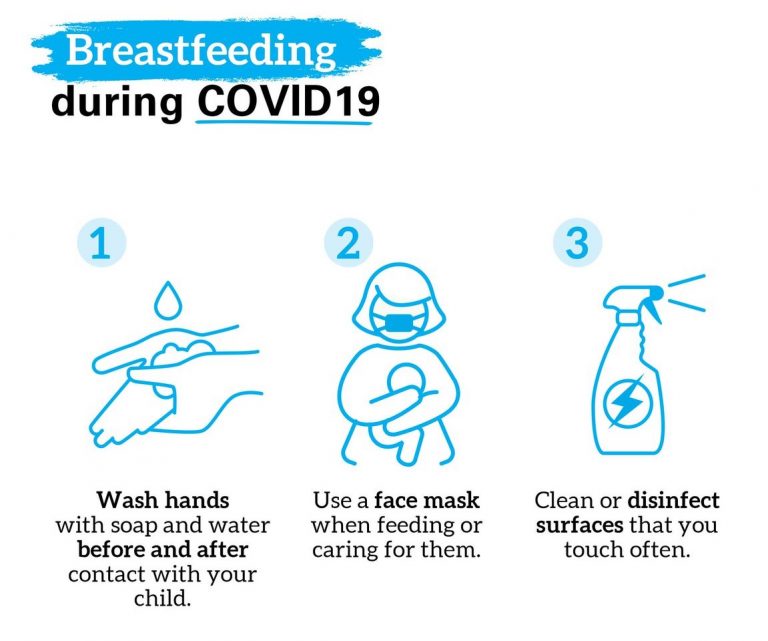
    Ans: Yes. Women with confirmed or suspected COVID-19 can breastfeed if they wish to do so. They should:

    • Wash hands frequently with soap and water or use alcohol-based hand rub and especially before touching the baby
    • Wear a medical mask during any contact with the baby, including while feeding
    • Sneeze or cough into a tissue. Then dispose of it immediately and wash hands again
    • Routinely clean and disinfect surfaces that mothers have touched.

    It is important to replace medical masks as soon as they become damp and dispose of them immediately. Masks should not be reused or touched in the front.

    1. If a mother confirmed or suspected to have COVID-19 does not have a medical face mask should she still breastfeed?

    Ans: Yes. Breastfeeding unquestionably reduces mortality in newborns and infants and provides numerous lifelong health and brain development advantages to the child.

    Mothers with symptoms of COVID-19 are advised to wear a medical mask, but even if this is not possible, breastfeeding should be continued. Mothers should follow other infection prevention measures, such as washing hands, cleaning surfaces, sneezing or coughing into a tissue.

    1. If a mother has confirmed or suspected COVID-19 and is too unwell to breastfeed her baby directly. What can she do?

    Ans: If you are too unwell to breastfeed your baby due to COVID-19 or other complications, you should be supported to safely provide your baby with breast milk in a way possible, available, and acceptable to you. This could include:

    • Expressing milk
    • Donor human milk. 

    If expressing breast milk or donor human milk are not feasible then consider wet nursing (another woman breastfeeds the child) or infant formula milk with measures to ensure that it is feasible, correctly prepared, safe and sustainable.

    1. If a mother had confirmed or suspected COVID-19 and was unable to breastfeed, when can she start to breastfeed again?

    Ans: You can start to breastfeed when you feel well enough to do so. There is no fixed time interval to wait after confirmed or suspected COVID-19. There is no evidence that breastfeeding changes the clinical course of COVID-19 in a mother. Health workers or breastfeeding counsellors should support you to relactate.

    1. If a mother has confirmed or suspected COVID-19, is it safer to give her baby infant formula milk?

    Ans: No. There are always risks associated with giving infant formula milk to newborns and infants in all settings. The risks associated with giving infant formula milk are increased whenever home and community conditions are compromised, such as reduced access to health services if a baby becomes unwell, reduced access to clean water and/or access to supplies of infant formula milk are difficult or not guaranteed, affordable and sustainable.

    The numerous benefits of breastfeeding substantially outweigh the potential risks of transmission and illness associated with the COVID-19 virus.

    1. Can a breastfeeding woman get vaccinated against COVID-19?

    Ans: Yes, women who are breastfeeding can take the vaccine when it becomes available to them.   

    None of the currently approved vaccines use the live virus, so there is no risk of passing the virus to the baby through breastmilk.  

    There is also some evidence that, after vaccination, antibodies are found in breastmilk, which may help protect the baby against COVID-19.

7. SUPPLEMENTS FOR BREASTFEEDING MOTHER

  • Supplements for breastfeeding mothers:

    1. Omega-3 fatty acids 

    Omega-3 fatty acids are essential to support baby’s brain, eye, immune system and nervous system development. Studies also show that maternal supplementation of omega-3 fatty acids during breastfeeding can reduce food allergies and eczema in baby.

    2. Calcium and vitamin D

    The recommended daily intake of calcium for breastfeeding women is 1200mg/day while an estimated of 600IU (15mcg) of vitamin D is required. Calcium is vital for the bone and teeth formation of baby while vitamin D is needed for calcium absorption.

    3. Iodine

    Babies require iodine for proper growth, development of brain, visual motor skills and hearing. Since breastfed babies depend on breast milk alone as their source of iodine, breastfeeding mothers need to get enough iodine for the baby and themselves. It is recommended that breastfeeding mothers take an iodine supplement of 150mcg per day.

    4. Vitamins B Complex (Vitamin B1, B2, B3, B5, B6, B7, B9, B12)

    Vitamins B group is important for the nervous system development and production of red blood cells. Since they are water-soluble and our bodies do not store them, daily supplementation is needed. These vitamins are mostly obtained from animal food sources and not found in plant-based food. Therefore, it is also crucial for breastfeeding mothers who are vegetarian to take supplements containing vitamin B group.

    5. Fenugreek

    Fenugreek is a herb that is commonly used as a galactagogue to increase breast milk production. Studies indicate that fenugreek may have mild galactagogue effect. Fenugreek can be taken in the form of capsules, powder mixed with drinks or tea, typically in doses of 1-6g daily. It is considered safe in nursing mothers but should be used with caution in people with diabetes as it can lower blood sugar if taken at higher doses.

    Although not considered harmful when used in moderation, fenugreek can cause your breastmilk, sweat, and urine to smell like maple syrup. Your baby’s urine and sweat may start to smell like maple syrup, too. Note that the latter should not be confused with maple syrup urine disease.

    6. Lecithin

    Lecithin is a phospholipid elements. It’s thought to help prevent the breast ducts from getting plugged by increasing the polyunsaturated fatty acids in the milk and decreasing its stickiness. A plugged duct occurs when the milk passageways in the breast become blocked.Reference:

    1. Farahana Mohamad Pilus, Norliza Ahmad, Nor Afiah Mohd Zulkefli. 2019. Predictors of Exclusive Breastfeeding Among Mothers Attending Rural Health Clinics in Hulu Langat District. Malaysian Journal of Medicine and Health Sciences (eISSN 2636-9346). Mal J Med Health Sci 15(SP3): 15-21.American Academy of Pediatrics. 2021. Breastfeeding Overview.
    2. Sanjeev Jain, MD, FAAP. 2020. How Often and How Much Should Your Baby Eat? American Academy of Pediatrics.
    3. Centre of Disease Control and Prevention. 2020. Nutrition: How Much and How Often to Breastfeed.
    4. Centers of Disease Control and Prevention. 2021. Breastfeeding: Proper Storage and Preparation of Breast Milk.
    5. American Academy of Pediatrics. 2021. Breastfeeding Overview.
    6. Centres of Disease Control and Prevention. 2019. Breastfeeding: Contraindication.
    7. World Health Organization. 2020. Coronavirus disease (COVID-19): Breastfeeding Q&A.
    8. 1.Cacho N, Lawrence R. Innate Immunity and Breast Milk. Frontiers in Immunology. 2017;8(584).
    9. 2.World Health Organization. Global Strategy for Infant and Young Child Feeding: The Optimal Duration of Exclusive Breast Feeding. 54th World Health Assembly. Document A54/INF.DOC./4. World Health Organization; Geneva: 2001.
    10. 3.Australian National Health and Medical Research Council (NHMRC). 2013 Australian Dietary Guidelines. National Health and Medical Research Council. Canberra: 2013.
    11. 5.Gunaratne A, Makrides M, Collins C. Maternal prenatal and/or postnatal n-3 long chain polyunsaturated fatty acids (LCPUFA) supplementation for preventing allergies in early childhood. Cochrane Database of Systematic Reviews. 2015;(7).
    12. 6.Kominiarek M, Rajan P. Nutrition Recommendations in Pregnancy and Lactation. Medical Clinics of North America. 2016;100(6):1199-1215.
    13. 7.Leung A, Pearce E, Braverman L, Stagnaro-Green A. AAP Recommendations on Iodine Nutrition During Pregnancy and Lactation. Pediatrics. 2014;134(4):e1282-e1282.
    14. 8.Allen L. B Vitamins in Breast Milk: Relative Importance of Maternal Status and Intake, and Effects on Infant Status and function. Advances in Nutrition. 2012;3(3):362-369.
    15. 9.Fenugreek. Bethesda: U.S. Dept. of Health and Human Services, National Institutes of Health, National Center for Complementary and Alternative Medicine; 2012.
    16. 10.Sim T, Hattingh H, Sherriff J, Tee L. The Use, Perceived Effectiveness and Safety of Herbal Galactagogues During Breastfeeding: A Qualitative Study. International Journal of Environmental Research and Public Health. 2015;12(9):11050-11071.
    17. Donna Murray. 2021. 10 Herbs to Increase Breast Milk Supply.
    18. Jacquelyn Cafasso. 2016. Using Lecithin While Breast-Feeding for Plugged Ducts.

Myths and Facts of Covid-19

On 31 December 2019, there was an unknown cause that gave rise to pneumonia cases in Wuhan City, China. It was not long until the World Health Organization (WHO) was informed of a new Coronavirus Disease, which is known as COVID-19, until present 2021.

This infectious disease infects human beings, leading to them experiencing mild to moderate respiratory illness and recovering without requiring special treatment. 

However, there are cases where elderly and population with underlying medical conditions such as cardiovascular disease, diabetes mellitus, respiratory disease, and cancer are more prone to develop serious symptoms.

Covid-19 has been existing from 2019 until the present day, there have been plenty of questions and doubts regarding this disease. Here are 8 myths and facts about this highly infectious disease that were found to be closely related to our daily life.

1. Can Covid-19 virus be transmitted through goods, cash and groceries?

  • Yes. Covid viruses can stay on the surface for many hours and up to days. Examples such as metal products can have the virus survive up to 9 days, woods up to 4 days, plastic surface up to 3 days and etc.
  • Thus, it is better to be safe than sorry. It is strongly suggested to disinfect items’ surfaces and frequently-touched objects using a disinfecting spray or wipe.
  • As for groceries such as fruits and vegetables, rinsing them in cold water or cleaning with vegetable brushes are adequate. Using disinfecting spray, wipe or soap can lead to possible food poisoning.

2. Are insects such as mosquitoes and houseflies, possibly carriers that spread Covid-19?

  • Currently there is no evidence that covid viruses can be transmitted through insects. However, proper protection against mosquitoes are still required to protect against disease such as dengue fever, malaria, etc.


3. Is the virus able to stick to our clothes and shoes?

  • There’s not much research about how long the virus lives on fabric.
  • The possibility of COVID-19 being spread on shoes and infecting individuals is very low as well. As a safeguard, especially when there are infants and small children crawling or playing on floors, do remove the shoes before entering home.
  • It is also recommended that proper hygiene needs to be practised, besides from showering every day, clothes should be washed with detergent or soap in 60-90 ⁰C water, drying clothes under a hot sun or in a high temperature dryer can help to kill the virus as well.


4. Can Covid-19 be prevented by rinsing the nasal cavity with saline solution? Besides, is gargling with mouthwash, warm water with salt or vinegar solution proven to prevent viruses and other things to travel into the throat and lung?

  • Evidence has shown that rinsing the nose with saline solution can help the patient to recover faster from the common cold symptoms, but unable to prevent Covid-19 and other infectious respiratory diseases such as pneumonia.
  • Moreover, the Centers for Disease Control and Prevention (CDC) suggested that gargling with warm salty water can help with soothing a sore throat, but not effective in stopping infection with Covid-19.

5. Are there any medications that can prevent and cure Covid-19? 

  • There has been news where medications such as oral steroids, hydroxychloroquine, azithromycin and Ivermectin are claimed to be able to treat or prevent Covid-19.
  • Oral steroids such as Dexamethasone have anti-inflammatory and immunosuppressive effects, which only should be used for Covid-19 patients with severe and critically ill conditions. For some Covid-19 patients on ventilators, a daily 6 mg dose of dexamethasone for 10 days may improve their health.
  • Dexamethasone provides no improvement for patients with mild symptoms.
  • As for hydroxychloroquine and azithromycin, randomized clinical trials and studies have been conducted to evaluate the safety and efficacy of these medications.
  • In conclusion, The COVID-19 Treatment Guidelines Panel does not recommend the use of azithromycin, chloroquine, or hydroxychloroquine for the treatment of COVID-19 in both hospitalised and non-hospitalised patients.
  • On the other hand, while initial research is still ongoing, FDA has neither approved nor supported the use of ivermectin to treat or to prevent COVID-19.
  • All in all, currently there is no drug approved that is able to prevent and treat Covid-19 disease and taking a drug for an unapproved use can be very dangerous. Misinformation and misuse of medications can lead to overdose, side effects and contraindications that can be fatal. Patients with covid symptoms should receive proper and supportive care to alleviate the symptoms.


6. Can drinking alcohol or eating garlic help to prevent Covid-19?

  • Drinking alcoholic beverages, such as wine, beer or liquor doesn’t help to prevent Covid-19. Besides, alcohol is known to harm human health and is associated with a range of diseases. Alcohol can also compromise one’s immune system; increase the risk of adverse health outcomes, leading to the person more vulnerable to Covid virus. 
  • Garlic, though is known to have antimicrobial properties and used in public to prevent disease such as cold, there has been no evidence that it can help to prevent or cure Covid-19.


7. Do UV bulbs, disinfectants such as bleach or chlorine help to kill Covid-19 viruses on our body?

  • First of all, it does not help with killing the virus inside the body. Besides, do not use UV bulbs, high concentration alcohol or chlorine on your hands or any part of the body because it can irritate your skin, damage body tissues such as eyes and lips.
  • As advised by the Centers for Disease Control and Prevention (CDC), the best way to prevent the spread of coronavirus and reduce the likelihood of getting infected is by washing our hands with soap and water for at least 20 seconds, especially after going to the bathroom; before and after meals; and after coughing, sneezing, or blowing one’s nose.
  • If soap and water are not available, alcohol-based hand sanitizer that contains at least 60% alcohol should be used.


8. Do vitamin and mineral supplements contribute to preventing and healing patients from Covid-19?

  • Micronutrients, such as vitamin B, C, D, E, zinc and magnesium, are important to maintain a well-functioning immune system and play a vital role in promoting health and nutritional well-being. 
  • However, there is currently no guidance on the use of micronutrient supplements as a treatment of COVID-19.


In summary, prevention is better than cure. Always protect yourself by following the standard operation procedure (SOP) such as wear mask properly, stay at least 1m from others, get vaccinated, avoid crowds and unventilated area, practice washing and sanitizing hands often, cover coughs and sneezes with hands, clean and disinfect frequently touched area, monitor your health daily and seek for health professionals if required.


Indigestion

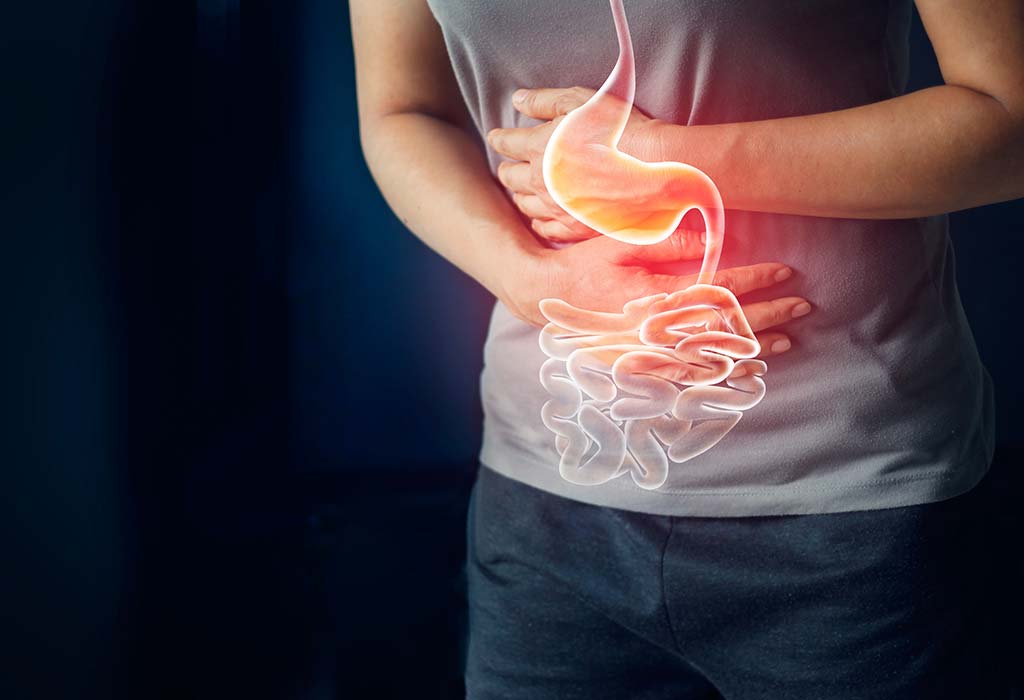
Indigestion is a condition which can be pain or discomfort in your upper abdomen (Dyspepsia) or burning pain behind the breastbone (Heartburn).

Dyspepsia and heartburn may occur together or on their own.

Symptoms

– Feeling sick
– Feeling uncomfortably full or heavy
– Feeling full or bloated
– Belching or farting
– Bringing up food or bitter-tasting fluids or food into your mouth
– Heartburn, a painful burning feeling in the chest, often after eating

Causes

1) Medications
Nonsteroidal anti-inflammatory drugs (NSAIDs), such as ibuprofen, naproxen are one class of medications that can affect your digestive tract and cause indigestion.

2) Obesity
If you are very overweight, you are more likely to experience indigestion because of increased pressure inside your stomach. The increased pressure, particularly after a heavy meal, may lead to acid reflux into the oesophagus.

3) Overeating or eating too fast

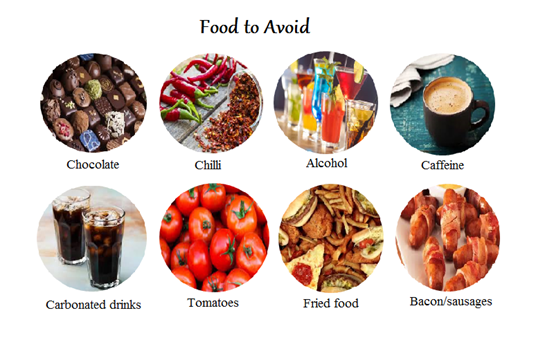
4) Fatty, spicy and acidic foods

5) Smoking & drinking too much alcohol

6) Stress and anxiety

TREATMENTS

Medications

A) Antacids (Maalox plus)
Antacids are a type of medicine that can provide immediate relief for mild to moderate symptoms of indigestion. They work by neutralising the acid in your stomach (making it less acidic), so that it no longer irritates the lining of your digestive system.

B) Proton pump inhibitor (Controloc, Vencid), which can reduce stomach acid. PPIs may be recommended if you experience heartburn along with indigestion.

C) Histamine-2 Blockers (Famotidine), which can also reduce stomach acid.

D) Prokinetics (Motilium), which may be helpful if your stomach empties slowly.

E) Alginates (Gaviscon).
Some antacids contain a medicine called as alginate. This helps relieve indigestion caused by acid reflux. Alginates form a foam barrier that floats on the surface of your stomach contents, keeping stomach acid in your stomach and away from your oesophagus.

Alternative Treatments

A) Probiotics (Megalive FloraMax Plus, Megalive Flora 60 Plus, Hexbio, Bioflor), good bacteria exist in gut can limit the growth of bad bacteria and improve gut function.

B) Digestive Enzymes (Blackmores Digestive)

C) Aloe Vera Juice (Lifestream Aloe Vera Juice), reduce reflux symptoms by reducing acid production, boosting digestion and having anti-inflammatory properties.
D) Ginger helps to speed up emptying of stomach, thus helps in relieving indigestion and heartburn.

Diet


Lifestyle Remedies

– Eating smaller and more frequent meals. Chew your food slowly and completely.

– Do not chew with your mouth open, talk while chewing or eat quickly. This causes you to swallow air and can aggravate indigestion.

– Maintaining a healthy weight. Excess weight put pressure on your stomach, making it easier for stomach acid to be pushed back up into your oesophagus. This is known as acid reflux, and is one of the most common causes of indigestion.

– Avoid late night eating for three to four hours before you go to bed. Going to bed with a full stomach means there is an increased risk that acid in your stomach will be forced up into your oesophagus while you are lying down.

– Quit smoking. If you smoke, the chemicals you inhale in cigarette smoke may contribute to your indigestion.

– Drink fluids after meals, rather than during meals.

– Avoid alcoholic beverages

– Avoid drinks that contain caffeine – such as tea, coffee and cola.

– Avoid spicy and greasy foods.

– Managing stress. Practice relaxation techniques such as deep breathing, meditation or yoga.

Diabetes


What is Diabetes?

You may have heard that diabetes is a silent killer, because it takes away your life, parts by parts. The prevalence of diabetes has became worse as the year goes by as a recent survey from Health Ministry showed that nearly one in five Malaysian adults, or 18.3%, has diabetes.

Diabetes is a health disorder in when our body does not produce enough or respond normally to insulin, resulting in a buildup of extra sugar in our bloodstream.

What is Insulin?

Insulin is a type of hormone released from the pancreas that regulates the amount of glucose in the blood by helping the glucose to move from the blood into the cells.

Types of Diabetes

 Type 1 DiabetesType 2 Diabetes
What is happening?Caused by autoimmune disease when the pancreas produces too little or no insulinPancreas produces insulin, but the body doesn’t respond normally to the insulin produced.
Age of onsetChildhoodAdulthood
Risk  factorNo known cause, and there is no way to reverse or cure it. Not associated with excess body weight, some affected patients might even be underweight.Commonly associated with poor lifestyle and diet, such as excess body weight, age, physical inactivity, race and ethnicity, family history and poor control of blood lipid profile.
ManagementRequired insulin therapyCan be managed by lifestyle modification such as diet and exercise if diagnosed early. Medication can be prescribed by doctor.
Cure and preventionCannot be preventedCan be prevented by lifestyle changes

Diabetes Diagnosis

Pancreas is a gland located behind the stomach in the upper left abdomen. Pancreas will release insulin as sugar metabolism. Insulin plays an important role in keeping blood glucose level within a healthy normal range. Thus, some tests can be conducted to check whether you are diabetic. Following tests are available at pharmacy:-

  1. Glycosylated Hemoglobin (HbA1C) measures your average blood glucose level for the past 3 months. It measures how much of glucose attached to your Hb (hemoglobin) as our Hb only lives for about 3 months. This test is shown to have higher sensitivity of identifying risk of diabetes. Reduction of HbA1C significantly reduces diabetes complications. HbA1C should always be less than 6.5%.
  2. Fasting Plasma Glucose (FPG) measures blood glucose level after fasting for at least 8 hours. It is usually done in the morning without breakfast; only plain water is allowed. Fasting glucose level should be below 5.6 mmol/L.
  3. Random Plasma Glucose (RPG) measures the blood glucose level at anytime of the day. RPG should be less than 8.0 mmol/L.

Symptoms of Diabetes
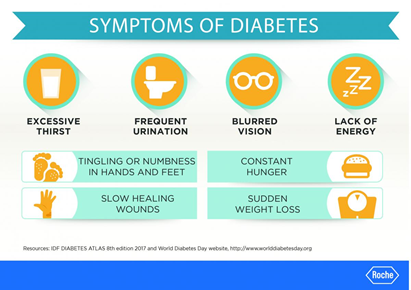

Sources: Accu-chek.co.uk/sign and symptoms of diabetes

The common term to remember is The 3 P’s of Diabetes, which is

  1. Increased hunger (Polyphagia) – The feeling of hunger that is not easily satisfied.
  2. Increased thirst (Polydipsia) – most likely as a result of frequent urination.
  3. Frequent urination (Polyuria) – result  from increased renal activity as kidneys need to filter out excess sugar in the blood.

Furthermore, diabetes also comes with other symptoms such as tired/fatigue, nausea, numbness and tingling of hand and feet, blurred vision, sudden weight lost, sexual problem and slow healing of wound.

Complications of diabetes

Complications of diabetes are the most worrying part in diabetes as the symptoms will develop gradually. Over time, uncontrolled blood glucose level results in the higher risk to get the complications. Eventually, it may disable and even life threatening.  

  1. Nerve Damage (Diabetic neuropathy) – High blood sugar can injure the wall of tiny blood capillaries that nourish your nerves throughout your body. It can cause pain, numbness, burning or tingling sensation, especially on your legs. When one nerve is damaged, it is gradually spread to multiple neurons.  Thus cause alteration of functional organ in body can result in problem such as nausea, vomiting, constipation or diarrhea. For men, glucose damage the nerve which blood supply to penis, thus cause erectile dysfunction.
  • Kidney Damage (Diabetic Nephropathy)- Diabetes can damage your kidney due to kidney need to consistently wash away the glucose in your bloodstreams. The damaged kidney become leaky and let protein enter to your urine. It can progress to irreversible end-stage kidney diseases or kidney failure. This may require dialysis or kidney transplant on later stage.
  • Eye Damage (Diabetic Retinopathy)- Diabetes damage the small capillaries in your retina, cause it to break down (hemorrhage), which potentially cause vision loss or blindness. It also increases risk of developing other eyes problem such as glaucoma and cataracts. 
  • Cardiovascular disease – if you have diabetes, you are more risk to heart disease, including chest pain (angina), heart attack and narrowing of arteries (arteriosclerosis) and even stroke.  
  • Diabetic foot– Nerve damage to feet increases various foot complications. Infection from cuts and blister often occur due to poor wound healing. Diabetes may cause you more susceptible to skin problem, which will worsen the condition. Left untreated, this infection may require amputations.

Lifestyle Modification

  1. Low GI ( Glycemic Index) food– The amount and type of carbohydrate consumed will affect the blood glucose level after meals. We can plan a meal with low GI food. GI tells us a how quickly a food raise our blood glucose. GI is ranged from 0 to 100, tested by pure glucose. GI with less than 55 is considered low and it is useful to help manage glucose level. Some diabetic nutritional drink can be used as a meal replacement for diabetic individual. Other than that, good sources of carbohydrate include fruits, vegetables, whole grains, legumes can be added. Increase fiber intake and whole grain food helps in increasing insulin sensitivity and thus overcome insulin resistance. You should also get good vitamins and minerals from healthy and balance diet.
  • Artificial Sweetener– Diabetic individual should limit or avoid sugar sweetened beverages. It is a good start to swap sugary drink, energy drink, fruit juice into water, plain milk, tea and coffee. You may always try out low or zero-calories artificial sweetener as substitutes to control your blood glucose level. 
  • Cut down alcohol intake– Alcohol is high in calories that will spike up your glucose level.  It should be limited to1 drink per day (women) and less than 2 drink per day (men).
  • Eat less salt and processed food – Salt and processed food can increase risk of hypertension, which later leads to cardiovascular disease. Sodium intake should be less than 1 teaspoon per day. You can change your diet to omega-3 rich fatty acid food. EPA and DHA have beneficial effect on preventing heart disease.
  • Quit smoking– Smoker are likely to develop diabetes compare to non-smoker. Nicotine replacement therapy can be considered to make it easier to quit. The faster you quit, the faster the body start to heal.
  • Exercise regularly– being more physically active help to control your diabetes. When our muscles work, they take in glucose from the blood, liver and muscle. It improves cardiovascular risk, improve muscle strength, and contribute to weight loss.
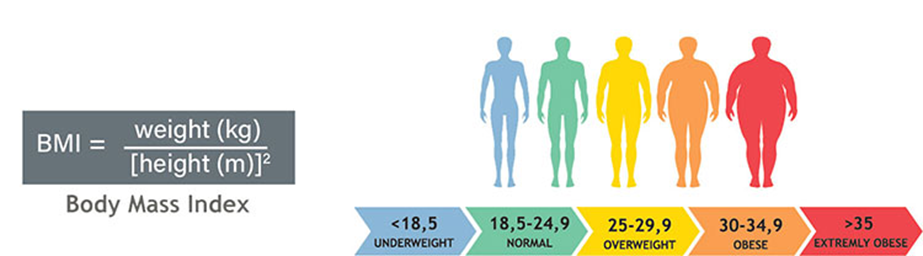
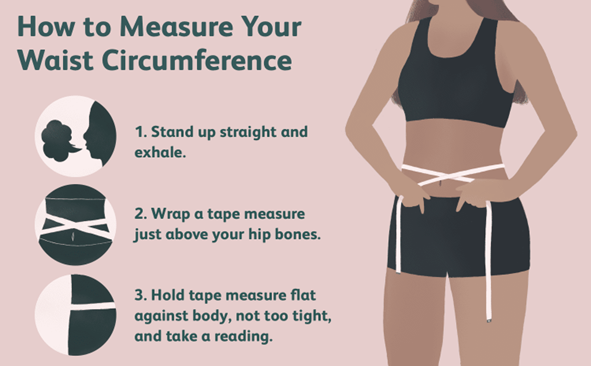
  • Weight Management– You should be able to find out your Body Mass Index (BMI). Body Mass Index is a simple calculation using a person’s height and weight. The formula is BMI = kg/m2 where kg is a person’s weight in kilograms and m2 is their height in metres squared. A BMI of 25.0 or more is overweight, while the healthy range is 18.5 to 24.9. BMI applies to most adults 18-65 years. In addition to BMI, other physical measurements, such as body fat percentage, distribution of body fat and waist circumference, are important methods of assessing overweight and obesity. Modest weight loss of 10% over 6 months may improve glucose level responds.
  • Foot care – People with diabetes are prone to have skin infections, including bacterial and fungal infection. Performing daily foot inspection and care is very important in avoiding serious foot complications. It is also necessary to perform regular checking of wound or infection that does not heal. With proper foot care, it is estimated that as half of the foot and leg amputation can be prevented.

References

  1. American Diabetes Association. (n.d.). Understanding A1C: Diagnosis. https://www.diabetes.org/a1c/diagnosis
  2. Carbohydrates and the glycaemic index. (2020, March 16). Betterhealth. Retrieved July 24, 2021, from https://www.betterhealth.vic.gov.au/health/healthyliving/carbohydrates-and-the-glycaemic-index#bhc-content
  3. Diabetes Mellitus. (n.d.). MIMS. Retrieved July 24, 2021, from https://specialty.mims.com/diabetes%20mellitus/patient%20education
  4. Diabetes Signs. (2019, January 15). Diabetes.co.uk. Retrieved July 23, 2021, from https://www.diabetes.co.uk/The-big-three-diabetes-signs-and-symptoms.html
  5. Diabetes. (2020, October 30). Mayoclinic. Retrieved July 23, 2021, from https://www.mayoclinic.org/diseases-conditions/diabetes/symptoms-causes/syc-20371444
  6. Dionardo, M. J. (2021, May 15). 6 Lifestyle Changes to Control Your Diabetes. WebMD. https://www.webmd.com/diabetes/diabetes-lifestyle-tips
  7. Ministry of Health Malaysia. (2020). Clinical practice guidelines: Management Of Type 2 Diabetes Mellitus (6th ed.). Retrieved from https://www.moh.gov.my/

Breast Cancer


What is breast cancer
Breast cancer is the most common type of cancer affecting women in Malaysia. Among 19 women in Malaysia, there is 1 woman are at risk, compared to one in eight in Europe and the United States.

What are the symptoms of breast cancer?

Breast Cancer – Causes, Symptoms & Treatment | Gleneagles Hospital
  • A lump that is painless and hard in the breast
  • A lump at the underarm area
  • Swelling and redness of breast
  • Nipple pain, tenderness or discharge, including bleeding
  • Itchiness, soreness or rashes on nipple

How to lower the chances of breast cancer?

  • Limit the consumption of alcohol to one per day for women, two for men.
  • Do not smoke.
  • Be physically active and exercise 1.5 to 2.5 hours weekly.
  • Breastfeed your baby.
  • Maintain normal body weight and reduce high-fat diet.
  • Avoid staying up late frequently.
  • Having clinical breast exam (CBE) starting from 20s.
  • Having annual screening mammograms starting from 40 years old.
  • Talk with your healthcare providers if you are on hormone replacement therapy.
  • Self-examination

What is the diagnosis for breast cancer?

  1. Mamogram

mammogram is an X-ray for breast. It is the best way to find out breast cancer at early stage.

  • Clinical Breast Exam (CBE)

This is an examination done by a doctor or nurse, who uses his or her hands to feel for lumps or other changes.

  • Ultrasound

Ultrasound is done when a suspicious lumps are detected on your breast through breast self examination or mammogram.

  • MRI

MRI can help the healthcare providers to differentiate between normal and diseased tissue.

  • Biopsy

Biopsy diagnostic procedure that can be determine if the suspicious area is cancerous.

Any treatment can be done for breast cancer?

Breast Cancer Management - Breast Cancer Welfare Association
  1. Surgery    

There are 2 types of surgery: breast-conserving surgery and mastectomy.

Both types of surgery are often followed by radiation therapy or other treatments such as chemotherapyor hormone therapy.

  1. Radiotherapy  

Radiation therapy uses high-energy rays to kill cancer cells. 

           Common side effects of radiation therapy are:

  • Swelling and heaviness in the breast
  • Sunburn sensation at treated area
  • Fatigue
  1. Hormone therapy  

      Hormone therapy uses drugs that may either block the hormones (estrogen and progesterone) from reaching the cancer or lower the level of hormones in the body.

      Tamoxifen is an example of a hormone therapy.

     Common side effects of hormone therapy are:

  • Fatigue
  • Hot flashes
  • Vaginal discharge or irritation
  • Nausea and diarrhea
  • Weight gain
  • Changes in menstruation
  • Bone and joint pain
  1. Chemotherapy

Chemotherapy uses drugs to target cancer cells. The drugs will be injected

into the bloodstream through an intravenous (IV) needle that is inserted into a vein or through oral consumption.

Common side effects of chemotherapy are:

  • Fatigue
  • Loss of appetite
  • Nausea and/or vomiting
  • Diarrhea or constipation
  • Weight change
  • Mouth sores
  • Short-term hair loss
  • Increase the risk of infections or bleeding


Myths of breast cancer:

  1. You have breast cancer if you found out there is a lump in your breast.

Actually, only small percentage of lumps will turn out to be cancer cells. However, you can seek for medical advice from doctor if you found any persistent lump in your breast.

  • You are most likely to have breast cancer if you have a family history of breast cancer.

The truth is women who have a family history of breast cancer are in a higher risk group, but most women who have breast cancer have no family history. Statistic shows that only about 10% of individuals diagnosed with breast cancer have a family history of this disease.  

  • Mammogram can cause the spreading of breast cancer.

The harmfulness of radiation from mammogram is extremely low, it won’t cause any spreading of cancer cells.

Reference:

  1. https://www.health.ny.gov/diseases/cancer/breast/freq_asked_quest_breast_cancer.htm
  2. https://www.nationalbreastcancer.org/breast-cancer-myths/a-mammogram-can-cause-breast-cancer-to-spread/
  3. https://www.breastcancerfoundation.org.my/about-breast-cancer#how-breast-cancer-spreads
  4. https://www.cdc.gov/cancer/breast/basic_info/screening.htm

Tuberculosis

What is tuberculosis?


Tuberculosis (TB) is caused by bacteria (Mycobacterium tuberculosis) that most often affect the lungs. Tuberculosis is curable and preventable.

TB is spread from person to person through the air. When people with lung TB cough, sneeze or spit, they propel the TB germs into the air. A person needs to inhale only a few of these germs to become infected.

What are the symptoms of tuberculosis?

  • A bad cough that lasts 3 weeks or longer
  • Weight loss
  • Loss of appetite
  • Coughing up blood or mucus
  • Weakness or fatigue
  • Fever
  • Night sweats
  • Chills

How is tuberculosis treated?

People diagnosed with active TB disease generally have to take a combination of medications for 6 to 8 months. The full treatment course must be completed. Otherwise, it’s highly likely a TB infection could come back. Additionally, by taking the drugs incorrectly, TB germs that are still alive may become drug-resistant, making it harder for you to get better next time.

While you are in treatment for active TB disease, you will need regular checkups to make sure your treatment is working. Everyone is different, but there are side effects associated with taking the medications, including:

  • Upset stomach, nausea and vomiting or loss of appetite
  • Tingling or numbness in the hands or feet
  • Itchy skin, rashes or bruising
  • Changes in your eyesight or blurred visions
  • Yellowish skin or eyes
  • Dark-colored urine
  • Weakness, fatigue or fever that for three or more days

Directly Observed Therapy (DOT) is the most common treatment strategy used in Malaysia. This strategy is very helpful to monitor patients’ adherence to TB therapy where a health care worker or trained lay people. TB can be controlled and cured effectively by improving the adherence of patient to TB medications.

How to prevent spread of tuberculosis to others?

  • Take your medicine exactly as the healthcare provider directed.
  • Always get your mouth cover when you cough or sneeze with a tissue. Seal the tissue in a plastic bag before throw it away.
  • Wash your hands frequently especially after sneezing or coughing.
  • Keep good ventilation in your house.
  • Do not go to work or school until your healthcare provider says it’s okay.
  • Avoid close contact with anyone. Sleep in a bedroom alone.
  • Avoid using public transportation.
  • Don’t around infants, children or people who have weak immune system.


The best vitamins for tuberculosis patient

Vitamin D

As we all know, Vitamin D3 is important for maintaining calcium homeostasis and bone mineral density. We can obtain Vitamin D through diet or exposure of epidermis to sunlight. High doses of Vitamin D supplementation enhanced clinical and radiographic improvement in TB patients were proved and concluded in a previous study. In fact, Vitamin D is also having immunomodulating role in our body. If you’re deficient in Vitamin D3, you’re very susceptible to getting an infection from either a virus or bacteria. Besides, it acts as immunosuppressant to control inflammation in TB patient. Thus, it can speed up the recovery and lessen the signs and symptoms of TB.

Vitamin C

Vitamin C is an essential micronutrient for human beings and has to be taken as dietary supplement since humans can’t synthesize Vitamin C in our body ourselves. Vitamin C protects the host from reactive oxygen and reactive nitrogen generated during mycobacterial infection. It also enhances the T-cell response and directs the increased migration of leukocytes at the infection site. There are several studies have suggested the role of Vitamin C in prevention and treatment of TB by orally administering the vitamin.


Autism

Apa itu autisme? Autisme adalah masalah perkembangan kompleks. Ia berlaku kepada kanak-kanak di antara 1 dalam 68 orang. Kanak-kanak lelaki mempunyai kemungkinan mendapat autism 4 kali lebih berbanding kanak-kanak perempuan.

Autisme mempengaruhi perkembangan otak dan memberi kesan kepada keupayaan individu untuk berkomunikasi, berinteraksi secara sosial dan belajar seperti kanak-kanak normal yang lain.

Simptom Autisme

Kesusahan untuk berinteraksi dan berkomunikasi secara sosial.

1. Kesukaran dalam emosi-sosial secara dua hala: Anak tersebut mungkin tidak dapat mempunyai perbualan secara dua hala, tidak menunjukkan minat kepada orang lain, ataupun tidak memulakan atau memberi respon kepada interaksi sosial seperti bercakap “hai” atau mengajak kawan lain untuk bermain.

2. Kesukaran dalam komunikasi tidak verbal: Anak ini mungkin menunjukkan gejala hubungan mata yang sangat rendah dengan orang lain, mungkin menghadapi kesukaran dalam menunjukkan gerak geri atau tidak dapat mengikut gerak geri orang dewasa seperti orang dewasa menunjuk kearah sesuatu.

3. Tidak memberi respons apabila nama dipanggil. Kerana mereka tidak memberikan tumpuan semasa dipanggil atau tiada konteks mata dan keinginan untuk berkomunikasi kerana lebih memilih untuk bermain sendirian sahaja.

Tingkah Laku Yang Terhad Atau Berulang

1. Pergerakan, penggunaan objek atau percakapan yang berulang. Anak ini mungkin mengulangi pergerakan motor dan aksi berulang kali, seperti mengepakkan tangan, berpusing atau melompat, mengulangi perkataan atau ayat yang sama, atau mungkin berinteraksi dengan permainan berulang seperti menyusun mainan atau memusingkan objek secara berterusan.

2. Minat yang sama dan terhad kepada sesuatu perkara sahaja. Anak ini mungkin menunjukkan ikatan yang kuat kepada minat tertentu seperti karakter kartun, permainan dan topik yang tertentu.

3. Hiper- atau hipo-reaktiviti terhadap penerimaan sensori. Anak ini mungkin tidak mengendahkan sensitiviti terhadap cahaya, bunyi, kesakitan, suhu, tekstur dan pergerakan dalam persekitaran mereka. Misalnya, mereka sangat seronok untuk melompat dan merempuh barang, mencari atau mengelak cahaya terang dan bunyi yang kuat, sama seperti kemahuan untuk menyentuh, menghidu atau menjilat sesuatu objek.

Komplikasi

Seseorang yang menghidap autisme akan mendapat gejala yang berlainan mengikut umur masing-masing.

  • Peringkat awal kanak-kanak – Hiperaktif, panas baran
  • Peringkat akhir kanak-kanak – suka menyerang, mencederakan diri sendiri
  • Peringkat remaja dan dewasa – kemurungan dan epilepsi

Rawatan

Standard emas untuk rawatan autisme adalah Rawatan Tingkah Laku Intensif menggunakan pendekatan Analisis Tingkah Laku Gunaan ( Applied Behavioral Analysis ABA)

Tiada ubat yang dapat menyembuhkan autisme tetapi ada beberapa jenis ubat yang dapat mengawal gejala-gejala yang timbul disebabkan autisme seperti:

  • Berkelakuan ganas
  • Hiperaktif
  • Masalah tidak mampu fokus
  • Kebimbangan yang mungkin timbul

Pemantauan Perkembangan Awal Kanak-Kanak

Sila dapatkan nasihat dari pihak profesional jika anak anda terlepas salah satu perkembangan di bawah:

4 Bulan

Memberi pandangan tepat
Mula membuat bunyi
Tersenyum apabila melihat orang lain

6 Bulan

Memberi respons apabila nama dipanggil
Mula membuat bunyi ”ah”, ”eh”, ”oh”
Boleh berguling dari posisi baring ke meniarap

9 Bulan

Memahami perkataan ”tidak”
Duduk tanpa sokongan
Boleh menggunakan jari untuk tunjuk kemahuan

12 Bulan

Berjalan dengan sokongan
Mempunyai 1 hingga 3 perkataan
Boleh menggelengkan kepala untuk nyatakan ”tidak” dan melambaikan ”bye”.

Migraine And Headache

A report done by the World Health Organization (WHO) examined more than 55,000 confirmed cases of COVID-19 and found out that headache occurred in 13.6% of the COVID-19 cases. However, the actual occurrence of headache in COVID-19 may be higher in some populations.[1] Besides that, a recent online survey explored the real-world impact of COVID-19 on patients with migraine and showed that about 60% of respondents had an increased episodes of migraine frequency, 16% reported a decrease in migraine frequency, and a little over 10% reported converting from episodic migraine to chronic migraine. [2]

Headache is one of potential symptoms of COVID -19 and it is a common condition that causes pain and discomfort in the head, neck or scalp.[1] However, migraine is often described as recurrent throbbing or pulsating, moderate or severe headache felt on either right or left side of the head.[3]

Headaches are classified into primary and secondary headaches. Primary headaches are the results of underlying process of brain whereas secondary headaches are usually due to underlying medical condition. Examples of primary headaches include tension headache, cluster headache, migraine etc.[1] There are 3 types of migraines such as migraine with aura, migraine without aura and silent migraine. Migraine without aura is the most common type, where the migraine happens without any specific warning signs.[3]


Image 1 : Tension headache, cluster headache and migraine[7]

The exact cause of migraine is unknown but the attacks from migraine are believed as the result of abnormal brain activity temporarily affecting nerve chemicals, blood vessels and signals in the brain. Migraine is initiated by specific triggers like emotional trigger, physical trigger, environmental trigger and dietary trigger as shown in the table 1 below.[3]

Specific triggerExamples
      Emotional triggerHormonal changes (3 days before and after period)
Stress
Depression
Anxiety
Excitement
Shock
        Physical triggerWorking shift Poor-quality sleep (lack of sleep)
Fatigue
Jet lag
Extreme exercise
Low blood sugar
Poor posture Neck or shoulder tension
      Dietary triggerDehydration Delayed or irregular meals Caffeine products Alcohol Specific foods; chocolate and citrus fruitTyramine based foods (cured meats, yeast extracts, smoked fish, pickles herrings and certain cheese)
    Environmental triggerBright lightsLoud noisesChanges in climate (very cold temperature)A stuffy atmosphereStrong smells

Table 1 : List of examples of specific triggers that initiate migraine[3]

There are a few treatments to reduce symptoms of migraine but there is no cure for migraine. The most common classes of drugs prescribed by healthcare professionals to treat headaches include painkillers, analgesics and anti-emetics.[4]

Prevention is better than cure. One of the best ways to prevent headaches or migraines is by avoiding the specific triggers that could possibly trigger an attack. Avoid excess caffeine intake by limiting caffeine to 2 to 3cups, or none of coffee daily can actually help in reducing migraines.[5] Staying in a quiet, dark room may help to ease migraines too. Furthermore, practising a healthy lifestyle such as sufficient sleep, lower stress, stay hydrated and exercise regularly is important to prevent migraines.

Taking supplements and herbs are also highlighted in reducing headaches and migraines. 

According to studies by University of Minnesota, taking 200mg of vitamins B12 twice daily and taking 200mg of Magnesium twice daily may help in migraine. In addition, frequency of headache may be reduced by taking150mg of coenzyme Q10 once daily.[5] Taking 60mg-100mg of Ginkgo biloba once daily also aids in reducing headaches and migraines.[6]

Conclusion

Most headaches aren’t symptoms of life-threatening medical conditions. However, please consult the doctor if you have headache for quite some time or headache that happens after any head trauma incidents.

References :

  1. https://www.healthline.com/health/headache/coronavirus-migraines (medically reviewed by Deena Kuruvilla, MD, written by Jill Seladi-Schulman, Ph.D. on 27Aug2020)
  2. https://www.medscape.com/viewarticle/950452 (by Deena Kuruvilla, MD on 12 May 2021)
  3. https://www.nhs.uk/conditions/migraine/
  4. https://www.who.int/news-room/fact-sheets/detail/headache-disorders (WHO website 8 Apr 2016)
  5. https://www.healthline.com/health/headache (medically reviewed by Saurabh Sethi, M.D., written by Rachel Nall, MSN, CRNA and Matthew Solan and Verneda Lights on 2 Aug 2018)
  6. https://pubmed.ncbi.nlm.nih.gov/19415441/ (by Giovanni D’Andrea et al. Neuro Sci. 2009 May)
  7. Image :  https://www.wisemedical.com.au/headache-or-migraine/ (website)

Amalan Pemakanan Yang Sihat Di Bulan Puasa

Puasa Ramadan ertinya menahan diri daripada makan dan minum serta segala perbuatan yang boleh membatalkan puasa, mulai dari terbit fajar sehinggalah terbenam matahari pada bulan Ramadan.


Pada bulan Ramadan, umat Islam akan menahan lapar dan dahaga lebih daripada 12 jam sehari. Oleh itu, mereka yang berpuasa perlu menggunakan dua waktu makan yang dibenarkan sehari iaitu sahur dan iftar dengan sebaik mungkin.

Penghidratan adalah salah satu risiko yang dihadapi semasa berpuasa kerana cuaca yang panas dan lembap. Ramai yang mengalami sakit kepala dan masalah untuk menumpukan perhatian semasa berpuasa. Tabiat pemakanan yang berbeza dalam 30 hari berpuasa boleh mengakibatkan pelbagai masalah penghadaman, sakti gastrik dan sembelit. Ketidakhadaman juga boleh berlaku akibat makan terlalu banyak daripada biasa semasa berbuka.

Namun begitu, daripada menambahkan jumlah makanan semasa berbuka atau sahur, lebih baik bagi anda memilih jenis dan kualiti makanan yang sesuai dimakan supaya kesan-kesan negatif berpuasa di bulan Ramadan boleh dielakkan.
Mari lihat jenis makanan yang sesuai dimakan sewaktu sahur dan berbuka untuk meningkatkan tenaga anda.


1) Kekalkan Hidrasi dengan Makanan yang Mempunyai Kandungan Air yang Tinggi

Selain daripada minum air kosong, anda boleh mengambil makanan yang tinggi dengan kandungan air seperti tembikai merah, timun, tomato dan strawberi.
Elakkan minuman yang mengandungi kafein seperti kopi dan teh kerana kafein boleh menambah pembuangan air kencing dan menyebabkan air dalam badan kita kurang.


2) Makanan Tinggi Protein

Makanan tinggi protein boleh membantu anda kurang penat sepanjang hari. Protein mengambil masa lebih lama untuk hadam dan anda akan merasa kenyang untuk tempoh masa yang panjang. Telur, keju, ayam dan daging adalah pilihan yang baik.
Susu tepung seperti MK Nutrasure dan Ensure Gold Liquid sesuai untuk diambil semasa bulan puasa kerana kandungan protein yang lebih tinggi berbanding susu tepung yang lain.


3) Makanan yang Tinggi Kandungan Kanji dan Serat

Makanan berserat tinggi boleh membantu mengawal ketidakhadaman dan pedih ulu hati. Anda boleh cuba oat, bijirin tinggi serat dan roti gandum penuh kerana ia boleh membantu anda merasa kenyang untuk tempoh masa yang lebih panjang.
Karbohidrat kompleks dalam makanan berkanji seperti nasi perang, dan kentang adalah pilihan yang bagus untuk tenaga dan mampu meningkatkan tumpuan. 

4) Penghadaman yang Lancar dengan Buah-buahan dan Sayur-sayuran

Untuk mengatasi masalah sembelit, kurangkan pengambilan makanan yang berlemak, bergoreng dan pedas sewaktu sahur. Anda boleh meningkatkan pengambilan buah-buahan dan sayur-sayuran kerana ia kaya dengan serat dan boleh mengelakkan sembelit. Amalkan brokoli, sayur bayam, keledek, lentil dalam pemakanan.


5) Pilih Lemak dan Minyak yang Sesuai

Lemak yang baik memainkan peranan yang penting dalam diet seimbang. Makanan yang kaya dengan lemak sihat seperti salmon, zaitun dan kacang-kacang boleh dirangkumi dalam pemakanan anda. Selain itu, minyak yang digunakan untuk memasak juga sangat penting. Anda boleh menggunakan minyak kepala dara, minyak dedak beras dan lain-lain.


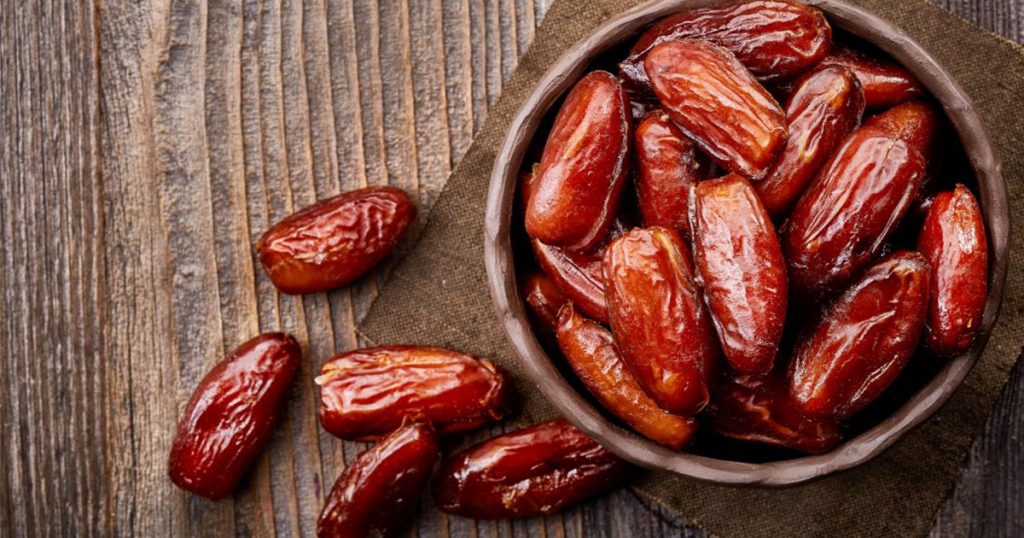
6) Berbuka Puasa dengan Kurma

Kurma secara tradisinya dimakan pada permulaan iftar kerana ia mengandungi gula semula jadi, serat dan mineral. Selain itu, kurma mudah dicerna, menjadikannya sumber tenaga dan nutrien yang cepat bagi individu yang berpuasa.

7) Supplemen

Selain pemakanan yang sihat, supplemen dan minuman sihat adalah sumber vitamin dan mineral yang bagus.
Individu yang mempunyai masalah gastrik atau ketidakhadaman boleh mengambil probiotik untuk mengurangkan senak dan kembung yang disebabkan oleh perubahan tabiat makan secara tiba-tiba. Probiotik boleh membantu menyeimbangkan semula mikroflora normal dalam sistem pencernaan dan megurangkan risiko gastrik.

Susu tepung seperti MK Glucerwin, MK Colostrum, Ensure Gold Liquid, Glucerna membekalkan nutrisi yang lengkap dan membekalkan makro- dan micro-nutrien yang diperlukan oleh badan kita. Susu tepung adalah pilihan alternatif yang sesuai untuk Muslim yang berpuasa sebagai makanan penggantian pada waktu sahur atau iftar.

Bagi individu yang tidak gemar susu tepung atau minuman sihat, multivitamin adalah pilihan terbaik semasa bulan puasa. Multivitamin bukan hanya membekalkan vitamin dan mineral yang lengkap, ia juga membantu membekalkan tenaga untuk badan kita sepanjang tempoh
berpuasa. Oleh itu, multivitamin adalah penting pada bulan puasa untuk menambahkan balik vitamin dan mineral yang diperlukan untuk seharian.

Perlu diingatkan bahawa kesederhanaan adalah kunci untuk pemakanan sihat. Selain itu, kita juga harus mengamalkan pergerakan fizikal yang aktif, contohnya, dengan berjalan-jalan atau berjoging setiap hari. Pemakanan yang sihat adalah penting dan harus diamalkan selalu bukan sahaja pada bulan puasa! Dengan ini, kami mengucapkan selamat berpuasa kepada semua orang!

Cholesterol


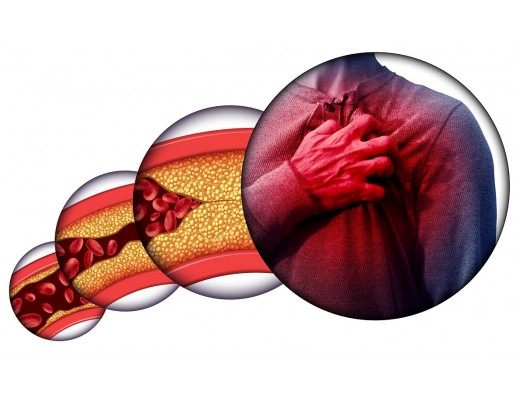
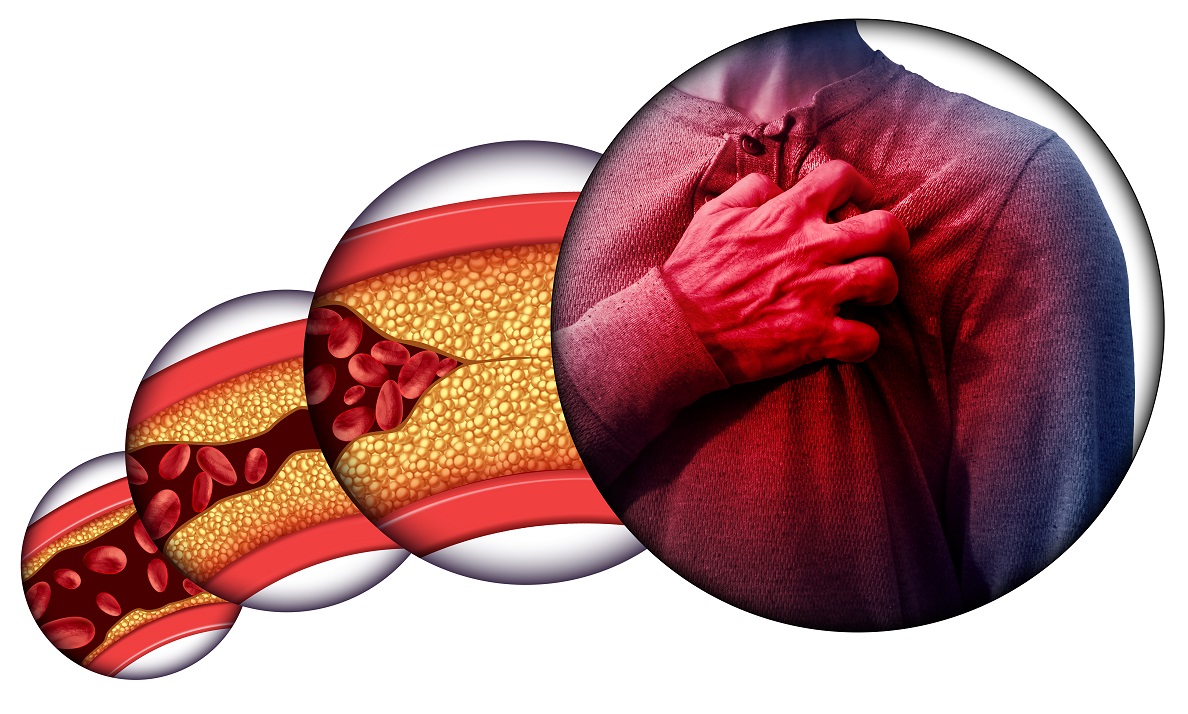
Human heart disease and chest pain from clogged arteries and artery damaged with cholesterol resulting in a cardiac arrest with 3D illustration elements.


What is cholesterol?

Cholesterol is a type of lipid. It is a waxy, fat-like substance that liver produces naturally. It is vital for the formation of cell membranes, certain hormones (estrogen & testosterone), vitamin D and bile acid.

However, too much of cholesterol can combine with other substances in the blood to form plaque. Plaque sticks to the walls of the arteries causing atherosclerosis.  This leads to coronary artery disease, heart attack or stroke due to blockage or narrowing of the arteries.

There are two types of lipoproteins that carry cholesterol to and from cells, which are low-density lipoprotein (LDL) and high-density lipoprotein (HDL).

Types of cholesterol

  • LDL (bad) cholesterol

LDL cholesterol is considered the “bad” cholesterol, because it contributes to fatty build-ups in the arteries (atherosclerosis). This narrows the arteries and increases the risk for heart attack, stroke and peripheral artery disease.

  • HDL (good) cholesterol

HDL cholesterol can be thought of as the “good” cholesterol because a healthy level of HDL in the blood may protect us against heart attack and stroke.

HDL also carries LDL (bad) cholesterol away from the arteries and back to the liver, where the LDL will be broken down and passed out from the body. But HDL cholesterol doesn’t completely eliminate LDL cholesterol. Only one-third to one-fourth of blood cholesterol is carried by HDL.

  • Triglycerides

Triglycerides are the most common type of fat in the body. They store excess energy from your diet.

A high triglyceride level combined with high LDL (bad) cholesterol or low HDL (good) cholesterol is often linked with fatty build-up within the artery walls, which increases the risk of heart attack and stroke.

Symptoms

High cholesterol levels do not usually cause any symptoms. In most cases it only causes emergency events. For instances, angina (chest pain), high blood pressure, stroke or a soft, yellowish growths or lesions on the skin called xanthomas, fatigue, weight gain, stomach distention and aching pain.

Risk factor

  • Age
  • Overweight or obese
  • Unhealthy eating habits
  • Lack of physical activity
  • Smoking
  • Have a family history of high cholesterol
  • Have diabetes, high blood pressure

Treatment of Hypercholesterolemia

  • HMG CoA Reductase Inhibitors (Statins)

Statin lowers LDL-cholesterol level by reducing the liver’s production of cholesterol and improve liver’s ability to remove LDL-cholesterol that is already in the blood. It is the first line agent in treating hypercholesterolemia.

Statin should be taken at night. It is contraindicated in pregnancy, lactation, women of child bearing potential and liver failure patient. The most common side effects of statin are muscle aches, gastrointestinal discomfort, headache.

Examples: Simvastatin, lovastatin, atorvastatin and rosuvastatin.

  • Cholesterol Absorption Inhibitors

Cholesterol absorption inhibitors selectively blocks intestinal absorption of both dietary and biliary cholesterols and other phytosterols thus reducing the amount of cholesterol that travel from intestine to liver, lowering the amount of cholesterol stored in the liver and hence increasing the amount of cholesterol that can be cleared from the blood.

It can be used in combination with any dose of any statin to further lowering LDL-C if targets are not achieved. Besides, it may be considered as monotherapy in patients who cannot tolerate statins.

There is no major adverse effects have been reported. The most frequent adverse effects are stomachache, diarrhea, headache, fatigue, muscle aches.

Example: Ezetimibe

  • Fibric Acid Derivatives (Fibrates)

Fibrates are Peroxisome Proliferator Activated Receptor (PPAR) – α agonist which have an important role in fatty acid oxidation. They reduce serum TG effectively and increase HDL-C modestly. It is limited to the treatment in patient with very high TG levels.

Common side effects are gastrointestinal discomfort, flushing of the skin, dizziness, headache.

Example: fenofibrate (take with meal and swallow whole with water), gemfibrozil (take 30mins before meal)

  • PCSK9 Inhibitors

PCSK9 inhibitors are a new class of drugs that lower LDL. It works by inhibiting the binding of PCSK9 to the LDL-receptors. Currently, it is only available as an injection administered subcutaneously at 2-4 weeks intervals. Common side effects are injection-site swelling, flu-like symptoms, nausea and joint pains.

Example: evolocumab, alirocumab

Nutritional Supplements for High Triglycerides and Cholesterol

  • Red yeast rice

Red yeast rice is a type of fermented rice. It contains monacolin k, a naturally substance that is similar to lovastatin. Thus, it is able to lower the cholesterol. Studies show that it is able to reduce 22% of cholesterol after about 8weeks of consuming it.

  • Fish oil

Fish oil is polyunsaturated fatty acids (PUFA) that only comes from food like herring, mackerel, salmon etc. It is available in liquid or soft gel form. Omega-3 fatty acid in fish oil is able to reduce triglycerides level, prevent the formation of harmful blood clots and improve heart health.

  • Oat beta glucan

It is a soluble dietary fibre that will form viscous gel in the stomach before entering the intestines. The gel will then attach to bile acid and remove them from the body. Body will then use more cholesterol to reproduce bile thereby reducing cholesterol in the body.

  • Flaxseed oil

Flaxseed oil contains alpha linoleic acid (ALA), a form of omega 3 fatty acids that is found in walnut, flaxseed and chiaseed. It is used to lower the cholesterol level by reducing the LDL-C. Flaxseed oil is available in liquid or softgel form. It is suitable for vegetarian.

  • Lecithin

Lecithin is a type of fat that can be found naturally in many foods that’s essential to human health. Most lecithin supplements are made from soybeans. Phosphatidylcholine, a major component of lecithin is responsible for lecithin’s reported health benefits. It is able to reduce LDL and may also raise the level of  HDL.

  • Coenzyme Q10 (CoQ10)

CoQ10 is an antioxidant naturally produced by the body that is essential for cellular energy production in mitochondria by converting food into energy. It aids in lowering cholesterol and improving heart health. Cholesterol-lowering statin drugs can reduce CoQ10 production in body, hence CoQ10 supplements are important to restore CoQ10 levels in the body and also to reduce statin side effects (like muscle aches).

  • Probiotics

Probiotics are groups of beneficial bacteria that our body needed for good health and vitality. Probiotics,  particularly Lactobacilli plantarum and lactobacilli reuteri can help to reduce cholesterol level by binding with the cholesterol in the intestine to stop it from being absorbed and also produce short-chain fatty acids to prevent cholesterol from being formed by the liver. Probiotics also produce bile acids that help to metabolize fat and cholesterol in the body.

Lifestyle modification

  • Have a healthy diet

Reduce the intake of saturated fats and trans fat like red meat and dairy products that are made with whole milk. Choose skim milk, low fat or fat-free dairy products instead. Limit fried food and cook with vegetable oils like sunflower oil, olive oil. Consume more leafy vegetables, fruits and whole grains. Always choose to prepare food at home and if having meals outside; choose food with that is grilled, steamed or boiled.

  • Become more physically active

A sedentary lifestyle lowers the level of HDL cholesterol. Less HDL means there’s less good cholesterol to remove bad cholesterol from the arteries. Hence, physical activity is important. It is recommended to exercise 30-45mins per session at least 5 times a week to improve cardiovascular fitness, raise HDL-C and decrease triglycerides level. Aerobic exercise like brisk walking, jogging, cycling and swimming are recommended.

  • Quit smoking

Smoking can lower HDL cholesterol. A person with unhealthy cholesterol levels who also smokes will have increased risk of coronary heart disease. By quitting, smokers not only can lower their LDL cholesterol and increase HDL cholesterol but also can help to protect their arteries.  

  • Restrict alcohol intake

Alcohol is the macronutrient that contributes to the increase in serum triglycerides. In a person with elevated serum triglycerides, excess alcohol consumption can further exacerbate hyperlipidemia. Thus, alcohol consumption should be restricted to not more than 14 units for male and 7 units for female per week. * 1unit = 250ml of beer = 100ml of wine = 30ml of whiskey

  • Weight reduction

Being overweight or obese is linked with increased level of bad cholesterol and decreased level of good cholesterol in the body. A weight loss of 5-10 % is able to enhance total cholesterol and LDL-cholesterol lowering effects, at the same time increase HDL-cholesterol. Therefore, it is important to maintain at normal bodyweight. Recommended BMI for Asians is 18.5kg/m–23kg/m2.

References

  1. Everything You Need to Know About High Cholesterol. Available from https://www.healthline.com/health/high-cholesterol
  2. Cholesterol. Available from https://medlineplus.gov/cholesterol.html
  3. HDL (Good), LDL (Bad) Cholesterol and Triglycerides. Available from https://www.heart.org/en/health-topics/cholesterol/hdl-good-ldl-bad-cholesterol-and-triglycerides
  4. Understanding Cholesterol Numbers. Available from https://www.webmd.com/cholesterol-management/guide/understanding-numbers
  5. Understanding Cholesterol Problems: Symptoms. Available from https://www.webmd.com/cholesterol-management/guide/understanding-cholesterol-problems-symptoms
  6. High Cholesterol Risk Factors. https://www.webmd.com/cholesterol-management/high-cholesterol-risk-factors
  7. 5th edition of clinical practice guideline : Management of dyslipidemia 2017.
  8. Thu Nguyen, Mitchell Karl and Antonello Santini (2017) : Red yeast Rice
  9. Yuka Kawakami, Hisami Yamanaka-Okumura, Yuko Naniwa-Kuroki, Masae Sakuma, Yutaka Taketani & Eiji Takeda (2015) : Flaxseed oil intake reduces serum small dense low-density lipoprotein concentrations in Japanese men: a randomized, double blind, crossover study
  10. Amouni Mohamed Mourad, Eder de Carvalho Pincinato, Priscila Gava Mazzola, Maricene Sabha, Patricia Moriel, “Influence of Soy Lecithin Administration on Hypercholesterolemia”, Cholesterol, vol. 2010, Article ID 824813, 4 pages, 2010.
  11. Robertson R. Do Probiotics Benefit Heart Health? [Internet]. Healthline. 2018 [cited 18 October 2021]. Available from: https://www.healthline.com/nutrition/probiotics-and-heart-health
  12. Prevention and Treatment of High Cholesterol (Hyperlipidemia) [Internet]. www.heart.org. 2020 [cited 18 October 2021]. Available from: https://www.heart.org/en/health-topics/cholesterol/prevention-and-treatment-of-high-cholesterol-hyperlipidemia

Penyakit Asma (Asthma)

Apakah itu asma?

Asma merupakan penyakit paru-paru kronik yang membengkak dan menyempitkan saluran pernafasan. Semasa serangan asma, simptom-simptom yang mungkin akan pesakit mengalami adalah seperti ‘wheezing’ (bunyi bersiul apabila sedang bernafas), kesesakan dada, sesak nafas dan batuk.

Serangan yang ringan hanya akan berlangsung selama beberapa minit dan dapat diselesaikan sama ada secara spontan ataupun dengan ubat sedutan pelega. Serangan yang teruk akan berterusan walaupun dengan penggunaan ubat sedutan, dan akan memerlukan pemeriksaan segera oleh doctor.


Apakah Penyebab Asma?

Faktor-faktor ini berbeza untuk setiap individu:

  1. Jangkitan sistem pernafasan seperti selesema, sinusitis dan bronkitis
  2. Pencemaran udara ataupun pendedahan kepada asap rokok
  3. Bahan penyebab alahan seperti debu, bulu haiwan, makanan, dan lipas
  4. Pendedahan kepada cuaca sejuk dan kering atau perubahan suhu secara tiba-tiba
  5. Perubahan emosi atau tekanan
  6. Senaman fizikal
  7. Ubat-ubatan (aspirin, asid mefenamic, ibuprofen)

Apakah Gejala Asma?

Serangan asma mungkin berlaku secara tiba-tiba atau secara progresif selama beberapa hari atau jam. Simptom yang menandakan serangan asma adalah seperti berikut:

  1. Bunyi berdeham atau “wheezing” semasa bernafas
  2. Sesak nafas
  3. Ketat dada
  4. Batuk
  5. Kesukaran bercakap
  6. Keletihan
  7. Jantung berdebar-debar
  8. Penggunaan otot aksesori untuk bernafas
  9. Kadar pernafasan berkurang

Apakah Rawatan Asma?

Ubat-Ubatan

1. Ubat Penyelamat (reliever)

Ubat penyelamat diambil apabila tanda-tanda serangan asma bermula. Contoh: Salbutamol.

2. Ubat Pengawal (controller)

Ubat pengawal diambil setiap hari untuk kawalan asma yang berterusan. Ia membantu mengurangkan keradangan ketika serangan asma.
Contoh: Budesonide, Fluticasone.

Supplemen

1. Vitamin D

Vitamin D dianggap memberi kesan kepada tahap sel imun tertentu dan mengurangkan tindak balas keradangan yang disebabkan oleh jangkitan pernafasan virus. Banyak kajian telah menunjukkan hubungan antara vitamin D dan asma. Tahap vitamin D yang tinggi telah dijumpai untuk melindungi daripada perkembangan asma dan wheeze yang berulang pada zaman kanak-kanak. 

2. Vitamin C

Vitamin C mempunyai ciri-ciri anti-radang dan antioksidan yang menjadikan ia potensi minat dalam asma.

Antioksidan biasanya menghalang kesan merosakkan tekanan oksidatif dan spesies oksigen reaktif yang dihasilkan oleh sel-sel radang di dalam paru-paru. Idea ini ialah pengambilan antioksida yang rendah seperti vitamin C menyebabkan ketidakseimbangan yang menyokong keradangan kronik dan kerosakan pada paru-paru.

3. Cendawan susu harimau (Tigermilk Mushroom)

Cendawan susu harimau merupakan salah satu alternative yang boleh menguatkan system pernafasan. Cendawan susu harimau boleh melegakan simptom pernafasan contohnya batuk kronik dan berulang, asma dan resdung dengan berkesan sebab ia merupakan agen anti radang yang semula jadi.

4. Cordyceps Sinesis

Cordyceps mengandungi nutrient seperti adenosine, cordycepin, asid cordycepic, polisakarida, asid amino dan vitamin. Menurut klinikal studi, Cordyceps dapat meredakan masalah pernafasan seperti asma atau batuk dan menguatkan fungsi paru-paru.

5. Bawang Putih

Bawang putih mengandungi bahan pencegah radang (anti-inflammatory) dan juga allicin iaitu sejenis agen antioksida yang dapat mengurangkan serangan asma.

Langkah-langkah untuk mencegah serangan asma

1. Hindari daripada allergen
Allergen seperti bulu binatang, debu, serbuk dari bunga harus dielakkan.

2. Hindari daripada asap rokok
Asap rokok dapat mengiritasi saluran penafasan dan seterusnya mengalami serangan asma. Oleh itu pesakit asma digalakkan berhenti rokok suaya melindungi paru-paru sendiri.

3. Rajin olahraga
Berolahraga dapat membantu melatih stamina otot pernafasan dan memperkuat daya tahan tubuh penderita asma. Berenang agak digalakkan oleh doctor untuk penderita asma. Elakkan berolahraga ketika cuaca dingin ataupun cuaca jerebu.

4. Laraskan diet
Gastritis atau GERD merupakan salah satu factor risiko asma. Oleh itu, laraskan diet agar acid perut tidak naik dan mencetuskan asma. Elakkan kopi, the, makanan pedas dan masam.

5. Vaksinasi Flu
Influenza akan menyebabkan masalah paru-paru yang sedia ada menjadi lebih teruk. Pesakit asma digalakkan mengambil vaksin supaya mendapat perlindungan yang lebih baik terhadap pesakit asma.

Cara penggunaan inhaler (MDI) yang betul

  1. Duduk atau berdiri tegak
  2. Keluarkan penutup dari corong
  3. Letakkan alat sedut dengan jari telunjuk di bahagian atas tabung dan ibu jari di bahagian bawah
  4. Goncang alat sedut
  5. Tarik nafas sepenuhnya melalui mulut dan hembus nafas perlahan-lahan
  6. Letakkan pelekap mulut alat sedut di dalam mulut. Tutup bibir di sekitar corong dengan rapat. Dongakkan kepala sedikit ke belakang
  7. Mula untuk menarik nafas perlahan-lahan dan mendalam melalui corong dan pada masa yang sama tekan ke bawah pada tabung alat sedut dengan jari telunjuk
  8. Terus tarik nafas dalam dan dengan perlahan-lahan tahan nafas selama 5 hingga 10 saat (mengikut kemampuan)
  9. Keluarkan alat sedut dari mulut dan hembus nafas perlahan-lahan melalui hidung tanpa membuka mulut
  10. Tunggu 1 minit sebelum mengulangi dos kedua
  11. Gantikan penutup selepas digunakan
  12. Bilas mulut selepas menggunakan steroid yang telah disedut

Benign Prostatic Hyperplasia

Benign Prostatic Hyperplasia (BPH)

Benign prostatic hyperplasia (BPH) is a condition in men where the prostate gland is enlarged but non-cancerous. As the prostate enlarges, the gland presses and pinches against the urethra. The bladder wall becomes thicker (Figure 1). Eventually, the bladder may become weaken and lose the ability to empty completely, leaving some urine in the bladder.


Figure 1: Normal prostate vs enlarged prostate

BPH affects about 50 percent of men between the ages of 51 and 60 and up to 90 percent of men older than 80, evidence clearly shows that the morbidity of BPH increase with age. In addition, BPH can be induced by a range of risk factors, including obesity, hyperlipidemia, type 2 diabetes, genetic factor and certain hormonal disorders.

The common symptoms of BPH includes:

  •  Difficulty starting to urinate despite pushing and straining
  • A weak stream of urine; several interruptions in the stream
  • Dribbling at the end of urination
  • A sudden strong desire to urinate
  • Frequent urination
  • The sensation that the bladder is not empty after urination is completed
  • Frequent awakening at night to urinate (nocturia)
  • Pain while urinating

How is benign prostatic hyperplasia (BPH) treated?

At present, the primary goals of BPH treatment are to improve quality of life, inhibit disease progression, and reduce complications. BPH is usually treated with alpha-adrenergic blockers and 5-alpha reductase inhibitors. Alpha blocker helps to relax the smooth muscles of the prostate and bladder neck to improve urine flow and reduce bladder blockage. It has faster onset of action so it is recommended as first line treatment for men with mild to moderate symptoms. Examples of alpha blockers are terazosin (Hytrin), doxazosin (Cardura) (Kamiren XL), tamsulosin (Harnal OCAS) and alfuzosin (Xatral). 5-alpha-reductase inhibitors are medicines that can stop the prostate from growing further or even cause it to shrink by decreasing the production of hormone, dihydrotestosterone (DHT) which affects the growth of prostate gland. Finasteride (Proscar) and dutasteride (Avodart) are example of alpha-reductase inhibitors.

Apart from medications, behavioural modifications and therapies may be helpful, particularly as an adjunct to medications. Lifestyle changes include nightly fluid restriction, timed bladder voiding, double-voiding techniques, regular physical activity, pelvic floor muscle training and avoiding caffeine, alcohol, and highly seasoned food.

*Double voiding – it involves passing urine twice each time you go to toilet. Firstly, urinate as usual then wait for 20-30 seconds, urinate again. This technique is effective for those who feel like their bladder is not empty or who return quickly to the bathroom after voiding.

Natural remedies for enlarged prostate (BPH)

  • Saw palmetto

Remedy that comes from fruit of palm tree. It is an inhibitor of 5 alpha reductase. It has anti-inflammatory and hormone-blocking properties. Saw palmetto is used to relieve urinary symptoms caused by benign prostatic hyperplasia (BPH).

  • Pygeum bark

It contains a wide range of fatty acids, alcohols and sterols such as beta-sitosterol. It has an antioxidant and anti-inflammatory effect on urogenital system. Able to improve symptoms of benign prostatic hyperplasia.

  • Tomato

It consists of lycopene, a powerful antioxidant that protect cells from damage and improve prostate health.

  • Pumpkin seed

It consists of zinc which is able to decrease the production of dihydrotestosterone (DHT) and inhibit this androgen from binding to receptors, potentially reducing BPH symptoms.

  • Cranberry

It contains phytonutrients with anti-inflammatory properties. It is used to prevent bladder and urinary tract infection by preventing bacteria from sticking to the wall of the bladder. Shown improvement in urinary flow.

References:

  1. Information H, Diseases U, Problems P, Hyperplasia) P, Hyperplasia) P, Health N. Prostate Enlargement (Benign Prostatic Hyperplasia) | NIDDK [Internet]. National Institute of Diabetes and Digestive and Kidney Diseases. 2021 [cited 18 October 2021]. Available from: https://www.niddk.nih.gov/health-information/urologic-diseases/prostate-problems/prostate-enlargement-benign-prostatic-hyperplasia
  2. Egan K. The Epidemiology of Benign Prostatic Hyperplasia Associated with Lower Urinary Tract Symptoms. Urologic Clinics of North America. 2016;43(3):289-297.
  3. Calogero A, Burgio G, Condorelli R, Cannarella R, La Vignera S. Epidemiology and risk factors of lower urinary tract symptoms/benign prostatic hyperplasia and erectile dysfunction. The Aging Male. 2018;22(1):12-19.
  4. Yoo S, Oh S, Park J, Cho S, Cho M, Jeong H et al. The impacts of metabolic syndrome and lifestyle on the prevalence of benign prostatic hyperplasia requiring treatment: historical cohort study of 130 454 men. BJU International. 2018;123(1):140-148.
  5. Yu Z, Yan H, Xu F, Chao H, Deng L, Xu X et al. Efficacy and Side Effects of Drugs Commonly Used for the Treatment of Lower Urinary Tract Symptoms Associated With Benign Prostatic Hyperplasia. Frontiers in Pharmacology. 2020;11.
  6. Fonseca J, Martins da silva C. The diagnosis and treatment of lower urinary tract symptoms due to benign prostatic hyperplasia with α-blockers: focus on silodosin. Clin Drug Investig. 2015;35(suppl 1):7-18.
  7. 10 natural remedies for enlarged prostate and lifestyle tips [Internet]. Medicalnewstoday.com. 2021 [cited 4 November 2021]. Available from: https://www.medicalnewstoday.com/articles/321231#lifestyle-tips

Hypertension (High Blood Pressure)


Hypertension is defined as persistent elevation of systolic blood pressure (BP) of 140 mmHg or greater and/or diastolic BP of 90 mmHg or greater, taken at least twice on two separate occasions.


What are the symptoms of Hypertension

Hypertension is generally a silent condition as it has no particular symptoms. However, there are some symptoms which occur simultaneously can be associated with high blood pressure. These symptoms include:

  • Headaches
  • Shortness of breath
  • Nose bleed
  • Facial redness and fatigue
  • Dizziness
  • Chest pain
  • Visual changes
  • Blood in the urine
  • Throwing up
  • Asphyxiated
  • Agitated

What are the causes of Hypertension

The exact causes of primary hypertension remains unclear, but several risk factors are strongly and independently associated with its development, which include:

1) Age
Advancing age is associated with increased blood pressure, particularly systolic blood pressure and an increased incidence of hypertension.

2) Obesity
Obesity and weight gain are major risk factors for hypertension and are also determinants of the rise in blood pressure that is commonly observed with aging.

3) Family history
Hypertension is approximately twice as common in subjects who have one or two hypertensive parents and multiple epidemiologic studies suggest that genetic factors account for approximately 30 percent of the variation in blood pressure in various populations.

4) High-sodium diet
Excess sodium intake (eg: >3 g/day [sodium chloride]) increases the risk for hypertension and sodium restriction lowers blood pressure in those with a high sodium intake.

5) Excessive alcohol consumption
Excess alcohol intake is associated with the development of hypertension and alcohol restriction lowers blood pressure in those with increased intake.

6) Physical inactivity
Physical inactivity increases the risk for hypertension and exercise is an effective means of lowering blood pressure.

What are the effects of Hypertension on the body?

The blood vessels and body organs can be damaged by the excessive pressure on the artery walls caused by hypertension. The higher the blood pressure and the longer it goes uncontrolled, the greater the damage.
Uncontrolled high blood pressure can lead to complications including:

1) Damaged arteries

Healthy arteries are flexible and strong. Blood flows freely and unobstructed through healthy arteries and vessels.
Hypertension makes arteries tougher, tighter, and less elastic. This damage makes it easier for dietary fats to deposit in your arteries and restrict blood flow. This damage can lead to increased blood pressure, blockages, and, eventually, heart attack and stroke.

2) Damaged heart

To pump blood against the higher pressure in the vessels, the heart has to work harder. This causes the walls of the heart’s pumping chamber to thicken (left ventricular hypertrophy). Eventually, the thickened muscle may have a hard time pumping enough blood to meet the body’s needs, which can lead to heart failure.

3) Damaged other organs

Weakened and narrowed blood vessels in kidneys which can prevent these organs from functioning normally.
Thickened, narrowed or torn blood vessels in the eyes. This can result in vision loss.

4) Damaged brain

Your brain relies on a healthy supply of oxygen-rich blood to work properly. High blood pressure can reduce your brain’s supply of blood.
Narrowed or blocked arteries can limit blood flow to the brain, leading to a certain type of dementia (vascular dementia). A stroke that interrupts blood flow to the brain also can cause vascular dementia.

What are the treatments of Hypertension?

MEDICATIONS

1) ACE Inhibitors
Angiotensin-converting enzyme (ACE) inhibitors reduce blood pressure by relaxing your blood vessels.
Example: Perindopril, Enalapril, Ramipril

2) Angiotensin II Antagonists
Angiotensin II antagonist work in a similar way to ACE inhibitors. They’re often recommended if ACE inhibitors cause troublesome side effects.
Example: Ibesartan, Losartan, Valsartan

3) Beta-Blockers
Beta blockers can reduce blood pressure by making your heart beat more slowly and with less force.
Example: Atenolol, Bisoprolol.

4) Calcium Channel Blockers
Calcium channel blockers reduce blood pressure by widening your blood vessels.
Example: Amlodipine, Nifedipine, Felodipine

5) Diuretics
Diuretics work by flushing excess water and salt from the body through your urine.
They’re often used if calcium channel blockers cause troublesome side effects.
Example: Furosemide, Amiloride, Spironolactone

SUPPLEMENT


1) Fish Oil
Fish oil may improve heart health by reducing blood lipid levels, inflammation, and high blood pressure. Studies show that those with high blood pressure may benefit from high-dose fish oil supplements (0.18-15g per day with 450-600mg content of EPA and DHA per g of fish oil).


2) Garlic
Garlic is found benefit in reducing both blood pressure and heart disease risk. Adding a garlic supplement may help lower blood pressure naturally. In fact, garlic supplements reduced systolic and diastolic blood pressure by an average of 8.3 mmHg and 5.5 mmHg respectively. It is estimated that this reduction may help decrease the risk of stroke, heart attack, and coronary artery disease by up to 40%.

3) CoQ10
CoQ10 is suggested to improve heart-related conditions like hypertension through neutralizing free radicals, increasing the production of energy in cells, and preventing the formation of blood clots. There is study suggest that this supplement can help in reducing both systolic and diastolic blood pressure (dose vary from 75–360 mg/day).


4) Magnesium
Magnesium is a mineral that’s critical for many bodily functions, including blood pressure regulation. Magnesium supplements may help reduce blood pressure by increasing the production of nitric oxide, a signaling molecule that helps relax blood vessels.
Every 100-mg daily increase in dietary magnesium was linked to a 5% reduction in high blood pressure risk.

Urinary Tract Infection

What is a urinary tract infection?

A urinary tract infection (also called a “UTI”) happens when bacteria get into the urinary system and multiply. This infection can happen in any part of your urinary system — your kidneys, ureters, bladder and urethra.

Urinary tract is further divided into two sections:


The upper urinary tract is composed of the kidneys and ureters. Infection in the upper urinary tract generally affects the kidneys (pyelonephritis).

The lower urinary tract consists of the bladder and the urethra. Infection in the lower urinary tract can affect the urethra (urethritis) or the bladder (cystitis).

Who are more prone to UTIs?

  • Women get UTIs much more often than men. This is because women have a shorter urethra, which may make it easier for bacteria to reach the bladder.
  • People with diabetes may have changes in their body’s defense system, making it easier to get urinary infections.
  • People with blockages in their urinary tract, such as a kidney stone, are more likely to get UTIs.
  • An enlarged prostate gland in a man can also block the flow of urine and cause a UTI.
  • People who have a catheter (tube) placed in their bladder for a long time are more prone to UTIs. This is because bacteria on the catheter can infect the bladder.
  • Couple who are sexually active. Sexual intercourse can introduce larger numbers of bacteria into the bladder.

What are the symptoms of a UTI?

Most people will have one or more of the following:

  • A burning feeling during urination
  • An urgent need to urinate, often with only a few drops of urine to pass
  • An aching feeling, pressure, or pain in the lower abdomen (stomach)
  • Strong odour of the urine
  • Cloudy or blood-tinged urine

If the infection spreads to the kidneys and becomes more serious, you may also have:

  • pain in the lower back
  • fever and chills
  • nausea and vomiting

Can anything be done to help prevent UTIs?

The following steps may help:

  • Drink plenty of fluids, 8 glasses of water a day.
  • Do not postpone going to the bathroom.  Urinate when you feel the urge.
  • Wipe from front to back to prevent bacteria from the bowels (intestines) from getting into the urinary tract.
  • Wash the genital area before and after having sex.
  • Regular change of catheter to prevent the growth of bacteria

DON’T

  • do not use scented soap/ vagina wash to prevent irritation
  • do not hold your pee in if you feel the urge to go
  • do not wear tight, synthetic underwear, such as nylon
  • do not drink lots of alcoholic drinks, as they may irritate your bladder
  • do not have lots of sugary food or drinks, as they may encourage bacteria to grow

NATURAL HOME REMEDIES FOR UTIS YOU CAN TRY RIGHT FROM HOME

  • Cranberry juice

The anthocyanidins and proanthocyanidins (PAC) are tannins found in cranberries and function as a natural defense system against microbes

  • Probiotic

probiotics may prevent harmful bacteria from attaching to the urinary tract cells, and may also lower the urine Ph, making it less hospitable to harmful bacteria.

Probiotics are found in supplement form (often a capsule), or they occur naturally in some types of food, including certain yogurts, kombucha, or kefir.

  • Eating Garlic

Allicin and other sulphur compounds are thought to be the major antimicrobial factors in garlic.

  • Adding vitamin C to your diet

Adequate amount of Vitamin C may also acidify your urine, which limits the growth of some bacteria and may prevent urinary tract infections from occurring.

  • Celery juice

Celery extract has antibacterial properties to inhibit the bacterial growth in urinary bladder

Source:

National Kidney Foundation_https://www.kidney.org/atoz/content/uti

https://www.nhs.uk/conditions/urinary-tract-infections-utis/

https://www.ncbi.nlm.nih.gov/pmc/articles/PMC3370320/ _doi: 10.6061/clinics/2012(06)18

Universiti Putra Malaysia (UPM). “Using garlic to combat antimicrobial resistant urinary tract infections.” ScienceDaily. ScienceDaily, 10 July 2015.

https://www.medicinenet.com/urinary_tract_infection/article.htm

Osteoarthritis and Rheumatoid arthritis

Osteoarthritis (OA) is a type of joint disease that happens when the cartilage between bones that cushions the joints wears down. It is the most common form of arthritis known as degenerative joint disease or “wear and tear” arthritis. It commonly affects hands, knees, hips and spine.


What are the risk factors for OA ?

There are several risk factors for osteoarthritis, and the main risk factors is advancing ageHigh body mass index or obesity will also increase the risk getting osteoarthritis due to extra weight that put more stress on the joints. Besides, osteoarthritis might also happen because of trauma or overuse such as previous knee injury or repetitive stress on joint. Women are more likely to develop osteoarthritis than men especially those with menopause. Apart from that, genetics also will increase the chance to have OA, for example  people who have family members with OA are more likely to develop OA or people who have hand OA are more likely to have knee OA.

Symptoms of Osteoarthritis includes:

  • Pain. Affected joints might hurt during or after movement.
  • Stiffness. Joint stiffness might become noticeable upon awakening or after being inactive
  • Swelling. Soft tissue inflammation around the joint
  • Tenderness. Joint will feel tender when pressure apply onto or near it.
  • Grating sensation. Might hear popping or crackling when using the joint.
  • Bone spurs. Hard lumps can form around the affected joint.
  • Loss of flexibility. Not able to move the joint through its full range of motion.

How is osteoarthritis being treated?

Pharmacological treatment

Pharmacological treatment for osteoarthritis can be subdivided into Oral Treatment, Intra-articular Treatment and Topical Treatment. All these treatments should be done under advice and supervision from medical professional.

The treatment will usually begin with oral treatment like acetaminophen (paracetamol) as first line and continue if still effective or step up to NSAID (non-steroidal anti-inflammatory medication). Start NSAID therapy, beginning with ibuprofen or naproxen; switch to different NSAID like diclofenac sodium, meloxicam etc if initial choice is not effective. Acetaminophen (paracetamol) is more prefer for treating mild osteoarthritis while NSAID is given to treat moderate to severe osteoarthritis.

Intra-articular treatment like intra-articular injection of corticosteroid and intra-articular injections of hyaluronic acid (viscosupplementation) are another option for treating osteoarthritis. They have proven effectiveness in osteoarthritis of knee. Corticosteroid injection provides short-term relief lasting 4 to 8 weeks and is used for acute exacerbation while hyaluronic acid injection provides long term relief and is used for persistent knee osteoarthritis.

Topical treatment in the form analgesic patches, creams, rubs or sprays may be applied over the skin of affected area to relieve pain.

Non Pharmacological Treatment

  • Weight management

If patient with osteoarthritis is obese, it is important to reduce weight. Reduction of weight will help in pain reduction and improvement of knee function.

  • Physiotherapy and occupational Therapy

Physiotherapy and occupational Therapy is also the recommended treatment of osteoarthritis. These therapies are individualised and might be different for everyone. The main purposes for both the therapies are to increase muscle strength, balance, coordination and joint mobility, therefore improve in pain management and resume normal physical activity.

  • Exercise

Exercise is important to improve flexibility, joint stability and muscle strength. Activities like swimming, aerobics and low impact strength training are recommended. Avoid excessive and vigorous exercises as they may increase the symptoms of arthritis.

  • Joint Support and Appropriate Foot ware

For patient who suffer from osteoarthritis, joint support and appropriate foot ware will aid in supporting the joints, reduce burden on the joints and therefore protect the joints from further damages.

  • Hot and cold therapies

Intermittent hot and cold treatments may provide temporary relief of pain and stiffness. Such treatment include a hot shower and application of hot or cool gel.

Rheumatoid Arthritis


Rheumatoid arthritis (RA) is a chronic, progressive autoimmune disease where immune system attacks healthy cells in body by mistake causing inflammation of the joints. Bone erosion, destruction of cartilage and complete loss of joint integrity might happen if rheumatoid arthritis is left untreated for prolonged period. RA usually affects the hands and feet first but it can occur in any joint and is usually involves the same joints on both sides of the body.

Risk Factors

  • Age. RA can begin at any age but the likelihood increase with age.
  • Gender. Women tend to have higher possibility to develop RA than men.
  • Genetics. People born with specific genes (HLA = Human Leukocyte Antigen) are more likely to develop RA.
  • Smoking. Cigarette smoking increase the risk of developing RA and make the disease worse.
  • Obesity. Being obese can increase the chance the developing RA

Signs and symptoms

  • Pain in more than one joint
  • Stiffness in more than one joint that lasts longer than 30 minutes
  • Swelling in more than one joint
  • Symmetrical joint involvement (such as in both hands or both knees)
  • Joint deformity
  • Loss of function and mobility
  • Unsteadiness when walking

Pharmacological Treatment

Non-Steroidal Anti-Inflammatory Drugs (NSAIDS)

NSAIDS are commonly used as pharmacological treatment in rheumatoid arthritis to reduce pain and inflammation in RA.

Corticosteroids

Corticosteroids are used to reduce inflammation in RA. But the long-term use of corticosteroids will result in certain complications such as osteoporosis and infection. Calcium and Vitamin D supplementation will be recommended in such cases.

Disease Modifying Anti-Rheumatic Drugs (DMARDs)

DMARDs will also be given in the treatment of moderate to severe Rheumatoid Arthritis. It affects how the immune system works hence slowing down the progression of rheumatoid arthritis and prevent permanent damage to the joint and other tissues. A person usually takes a DMARD for life. Methotrexate is an example of DMARD.

Non Pharmacological Treatment

Patient Education

In the management of Rheumatoid arthritis, patient education plays important role to allow patients understand further about the disease. This includes information of the diagnosis, nature of the disease including its complications and, benefits and risks of therapeutic options. Giving education to patient will increase the adherence of the patient to the therapy and to achieve the goal of the treatment.

Occupational Therapy and Physiotherapy

The main purpose is to manage the pain and maintain joint functions. Occupational Therapy can help a person learn new and effective ways of carrying out daily tasks to minimise stress to painful joints. Physical therapy will advise people on using the assistive devices like cane and help individual to develop suitable exercise plan.

Stop smoking

Cigarette smoking can make the disease worse and make it more difficult for someone to stay physically active. Hence stop smoking is able to improve the quality of life of patient with rheumatoid arthritis.

Maintain a healthy weight

Being obese can put more stress on the joints. Hence maintaining a healthy weight is important to reduce exacerbation of rheumatoid arthritis.

Supplements for Osteoarthritis (OA) and Rheumatoid arthritis (RA)

  • Glucosamine:

Glucosamine is used by the body to build tendons, ligaments, cartilage and joint. Therefore, taking glucosamine supplement will help to improve mobility for patient with osteoarthritis.

  • Chondroitin:

Chondroitin provides the joints with elasticity.

  • Type II collagen:

Help to maintain healthy cartilage by creating a balance between continuous process of cartilage degradation and renovation.

  • Soy Boswellia:

Natural inflammatory phytonutrient. Support normal joint functions and mobility.

  • Sodium Hyaluronate :

Possess anti-inflammatory and anti-edematous properties. It strives to improve joint pain by restoring the cushioning of joints and increasing the supplies of synovial fluid that help in lubrication of joint.

  • Turmeric

Consist of curcumin that helps to protect cells from damaging by free radicals. It is reported to have beneficial effects on joint health due to its antioxidant properties.

Differences Between Osteoarthritis (OA) and Rheumatoid Arthritis (RA)

OsteoarthritisRheumatoid Arthritis
OA is a degenerative, wear and tear type of disorder.RA is an autoimmune disease.
Usually affect people over 40 years old.Usually affect people around 35-45 years old.
Pain is worsened after prolonged use of the joint.Stiffness and pain become worse after being inactive and usually lasts for 30mins.
Involve one particular joint or area.Involve multiple joints all over the body.
Do not required immune suppressant medicine.  Required immune suppressant medicine. 

References:

1. Osteoarthritis (OA) | Arthritis | CDC [Internet]. Cdc.gov. 2020 [cited 3 December 2021]. Available from: https://www.cdc.gov/arthritis/basics/osteoarthritis.htm

2. Sinusas K. Osteoarthritis: Diagnosis and Treatment [Internet]. Aafp.org. [cited 3 December 2021]. Available from: https://www.aafp.org/afp/2012/0101/p49.html

3. Osteoarthritis: Symptoms, Causes and Treatment [Internet]. Cleveland Clinic. [cited 3 December 2021]. Available from: https://my.clevelandclinic.org/health/diseases/5599-osteoarthritis

4. [Internet]. Mangament of Osteoarthritis Second Edition. Moh.gov.my. 2013 [cited 1 December 2021]. Available from: https://www.moh.gov.my/moh/attachments/8933.pdf

5. [Internet]. Management of Rheumatoid Arthritis.Www2.moh.gov.my. 2019 [cited 1 December 2021]. Available from: https://www2.moh.gov.my/moh/resources/Penerbitan/CPG/Rheumatology/QR_RA_17052021.pdf

6. Rheumatoid arthritis (RA): Symptoms, treatments, causes, and more [Internet]. Medicalnewstoday.com. 2021 [cited 3 December 2021]. Available from: https://www.medicalnewstoday.com/articles/323361#treatment

7. Rheumatoid Arthritis (RA) | Arthritis | CDC [Internet]. Cdc.gov. 2020 [cited 3 December 2021]. Available from: https://www.cdc.gov/arthritis/basics/rheumatoid-arthritis.html

8. Osteoarthritis and Rheumatoid Arthritis Differences Archives – Pediaa.Com [Internet]. Pediaa.Com. 2016 [cited 5 December 2021]. Available from: https://pediaa.com/tag/osteoarthritis-and-rheumatoid-arthritis-differences/

HYPERTENSION (HEALTHY LIFESTYLE)

Healthy lifestyle concepts: red heart shape plate with fresh organic fruits and vegetables shot on blue background. A digital blood pressure monitor, doctor stethoscope, dumbbells and tape measure are beside the plate This type of foods are rich in antioxidants and flavonoids that prevents heart diseases, lower cholesterol and help to keep a well balanced diet. High resolution 42Mp studio digital capture taken with SONY A7rII and Zeiss Batis 40mm F2.0 CF lens

Diet can have a big impact on your blood pressure. Following a heart-healthy diet can actively reduce your blood pressure, both in short term and long term. The American Heart Association (AHA) recommend following the DASH diet to help manage blood pressure.


DASH Diet

DASH stands for Dietary Approaches to Stop Hypertension. The diet is simple:

1) Eat more fruits, vegetables, and low-fat dairy foods
2) Cut down foods that are high in saturated fat, cholesterol and trans fat.
3) Eat more whole-grain foods, fish, poultry and nuts
4) Limit sodium, sweets, sugary drinks and red meat.

To start the DASH diet, follow these recommendations (based on 2,000 calories a day).

GRAINS: 7-8 daily servings
VEGETABLES: 4-5 daily servings
FRUITS: 4-5 daily servings
LOW-FAT/FAT-FREE DAIRY PRODUCTS: 2-3 daily servings
MEAT, POULTRY, FISH: 2 or less daily servings
NUTS, SEEDS: 4-5 servings per week
FATS, OILS: 2-3 daily servings
SWEETS: Try to limit to less than 5 servings per week
( 1 tablespoon sugar, jelly, or jam)

How Much Is a Serving?

When you’re trying to follow a healthy eating plan, it helps to know how much of certain kind of food is considered a ‘serving’.
One serving is:

– 1/2 cup cooked rice or pasta (GRAINS)
– 1 slice bread (GRAINS)
– 1 cup raw vegetables or fruits (VEGETABLES)
– 1/2 cup cooked veggies (VEGETABLES)
– 1/2 cup fresh fruit (FRUITS)
– 1/4 cup dried fruit (FRUITS)
– 6 ounces of fruit juice (FRUITS)
– 8 ounces of milk (DAIRY PRODUCTS)
– 1 cup yogurt (DAIRY PRODUCTS)
– 1 teaspoon of olive oil (or any other oil)
– 3 ounces cooked meat
– 2 tablespoon seeds
– 1 tablespoon sugar, jelly or jam (SWEETS)

Reducing Salt Intake

Salt has a tremendous effect on blood pressure, mediated by increased extracellular fluid volume and thickening of the arterial walls. This decreases the diameter of the arteries, thereby making it necessary for the heart to pump the blood under higher than normal pressure. Thereby, restricting the salt in one ‘s diet will reduce blood pressure.

The World Health Organization (WHO) recommend reducing intake to less than 5g a day can decrease the risk of hypertension and related health problems. Lowering salt intake can benefit people both with and without hypertension.


Reducing Alcohol Consumption

Moderate to excessive alcohol consumption can increase blood pressure.
In addition, many alcoholic drinks are high in sugar and calories. Drinking alcohol can contribute to overweight and obesity, which can increase the risk of hypertension.
According to American Heart Association (AHA), a maximum of two alcoholic drinks a day for men, and one for women is suggested. The following would count as one drink:

– 12 ounces of beer
– 4 ounces of wine
– 1.5 ounces of 80 proof spirits
– 1 ounces of 100 proof spirits


Reducing Sugar Intake

Sugar can increase your blood pressure in several ways.
Research shows that sugar and sugar-sweetened drinks contribute to weight gain in adults and children. Overweight and obesity predispose people to high blood pressure.
The AHA recommends the following daily added sugar limits:
– 6 teaspoons/ 25g for females
– 9 teaspoons/ 36g for males

Prevention and Management of Hypertension

1) Weight Reduction

Dietary interventions to lower body weight are often recommended for overweight people with mild hypertension. In people with hypertension, weight reducing diet has been shown to reduce blood pressure and body weight. There is evidence that showed a reduction of 1kg in weight relates to 1 mmHg reduction in systolic blood pressure.

2) Increasing Physical Activity

We should suggest patients to actively involved in exercising to help in controlling their hypertension. Exercise can improves blood circulation, contributes to weight control and eventually  lowers the risk of cardiovascular disease as well.
It is recommended that engage in:
– 150 minutes of moderate intensity, aerobic exercise every week
– 75 minutes of high intensity exercise every week.
Exercise at least 5 days per week with 30 mins each is recommended as exercising 30 minutes daily is associated with a reduction of 4 to 9 mm Hg. Examples of suitable activities are walking, jogging, cycling, or swimming.

3) Cessation of Smoking

The nicotine in cigarette smoke is a big part of the problem. It raises your blood pressure and heart rate, narrows your arteries and hardens their walls, and makes your blood more likely to clot. It stresses your heart and sets you up for a heart attack or stroke. While one is smoking, and the effect is sustained for 5-10 minutes after the cigarette is extinguished which means, a cigarette every 15 minutes would keep the blood pressure elevated.
Advise patient to stop smoking to reduce overall cardiovascular risk. Use of Nicorette nicotine gum is one of the options that can suggest to patient who wish to quit smoking.

4) Managing Stress

When stress is excessive and prolonged, it causes trouble in controlling blood pressure. Avoiding or learning to manage stress can help patients to control blood pressure better.
Exercise is a great way to manage stress. Other activities can also be helpful. These include:
– meditation
– deep breathing
– massage
– yoga
– tai chi
These are all proven stress-reducing techniques. Getting adequate sleep can also help reduce stress levels.

5) Developing a Healthy Diet

A heart-healthy diet is vital for helping to reduce high blood pressure. It’s also important for managing hypertension that is under control and reducing the risk of complications. These complications include heart disease, stroke, and heart attack. A heart-healthy diet are those mentioned above (DASH diet).

6) Compliance to Medication

Some antihypertensive medications will have bothersome side effects that leads to poor patient compliance. If a side effect occurs which is not life threatening, encourage the patient to continue the medication but contact the prescribing physician in order to obtain a more tolerable drug therapy. On the other hand, patients should be educated on the importance of adherence to drug therapy to promote better compliance. Patients should understand that the disease is chronic and that continuous therapy is necessary for the prevention of complications.

7) Regularly Checking Blood Pressure

Measuring your blood pressure is the only way to know whether you have high blood pressure. High blood pressure usually has no warning signs or symptoms, and many people do not know they have it.

How To Use A Home Blood Pressure Monitor

1) Measure your blood pressure twice daily.
The first measurement should be in the morning before eating or taking any medications, and the second in the evening. Each time you measure, take two or three readings to make sure your results are accurate.

2) Be still.
When you’re ready to take your blood pressure, sit for five minutes in a comfortable position with your legs and ankles uncrossed and your back supported against a chair. Try to be calm and not think about stressful things. Don’t talk while taking your blood pressure.

3) Avoid food, caffeine, tobacco and alcohol for 30 minutes before taking a measurement
Also, go to the toilet first. A full bladder can increase blood pressure slightly.

4) Make sure your arm is positioned properly. 
Always use the same arm when taking your blood pressure. Rest your arm, raised to the level of your heart, on a table, desk or chair arm. You might need to place a pillow or cushion under your arm to elevate it high enough.

5) Place the cuff on bare skin, not over clothing. 
Rolling up a sleeve until it tightens around your arm can result in an inaccurate reading, so you may need to slip your arm out of the sleeve.

6) Take a repeat reading. 
Wait for one to three minutes after the first reading, and then take another to check accuracy. If your monitor doesn’t automatically log blood pressure readings or heart rates, write them down.

Glaucoma


Glaucoma is a disease involving the optic nerves of the eyes- usually affecting both of the eyes. It usually occurs when there is an escalation of pressure in the eyes. Our eyes usually produce a protective fluid (that surrounds the tissues of the eyes) also known as aqueous humour. An optimum eye pressure is achieved when the amount of fluid produced is equivalent to the amount of fluid being drained out of the eyes. If there is any slight blockage in the outflow channel, the pressure in the eyes rises due to the accumulation of the fluid surrounding the eyes.

            There are several distinguished types of glaucoma; one being acute or close-angle glaucoma that is rare and occurs due to a sudden, high increment in the eye pressure which causes pain. Another type being chronic or open-angle glaucoma which occurs gradually and is often left undetected due to the absence of any signs or symptoms. Next, secondary glaucoma is caused by an inflammation of the middle layer of the eyes. Another type of glaucoma would be childhood or congenital glaucoma which is extremely rare and only occurs in very young children due to abnormalities in the eyes.

            A few risk factors increase the chances of developing glaucoma. One of them is family history which means if your parents or siblings have glaucoma, you have a significant risk of developing it as well. Another risk factor would be age– the older you are, the higher the risk of developing glaucoma. Ethnic groups also play a role in increasing the chance of developing glaucoma, in which people who are of Afro-Caribbean and African descent will have a higher risk of developing glaucoma. Other than that, short sightedness can also make you more prone to develop glaucoma. Diabetes also appears to be another risk factor of developing glaucoma.

            Oftentimes, glaucoma goes undetected due to absence of signs and symptoms in the early stages. Given the situation that you have acute or open-angle glaucoma, it will take a long time before your eyesight deteriorates. When a person experiences blurred vision, dull pain around the head, nausea or vomiting or seeing a glare or shadow around the light of a lamp, he or she is usually at a severe level and require guidance from an ophthalmologist with urgency. Therefore for those that have a higher risk for developing glaucoma, it would be advisable to undergo an eye examination yearly. After all, prevention is better than cure.

            Thus, eye tests that are simple and painless should be performed regularly for early detection. Firstly, an eye pressure test in which a local anesthetic eye drop will be placed in both of the eyes before a small instrument is gently placed against your eye to measure the intraocular pressure of the eyes.

                                                                         Eye pressure test  

                            Next, optic nerve examination can be conducted to examine the condition of your optic nerves.


Optic Nerve examination
visual field test can also be performed to test for the missing areas of peripheral vision in which patients will click a button when they see a light flash upon displays of various light spots.

Comparison of visual field test results among stages of glaucoma

Once damage is done to the vision by glaucoma, it is hardly reversible. However, there are treatments that can prevent the eye-sight from going worse. The go-to treatment for acute or open-angle glaucoma is eye drops that patients need to use for lifelong. In the early stages of glaucoma, these eye drops can help control the eye pressure and therefore prevent further damage to the eyes. The effectiveness of the eye drop will be determined by the ophthalmologist upon regular glaucoma checks. If the use of eye drops is unable to control glaucoma, laser procedures can help to drain the fluid out of the eye effectively or surgery on the draining channel can be performed as well. 

            Certain lifestyle habits can be easily adapted to reduce the severity of glaucoma. Firstly, limit caffeine intake as caffeine can increase the pressure of the eyes. Next, limit alcohol intake as excessive drinking of alcohol can damage optic nerves. Fish oil supplements can help to improve eye health as well. Exercising cautiously can help to improve glaucoma and general health. Other than that, sleeping with your head on a pillow can help to reduce eye pressure as well.

References

  1. Ow Yong, S.E. (2021). [Comparison of normal eye with glaucoma eye]. Vista Eye Specialist. https://www.vista.com.my/pages/2021/02/17/glaucoma/
  2. Salmon, J. (2015) Glaucoma information for patients. Available at: https://www.ouh.nhs.uk/patient-guide/leaflets/files/11826Pglaucoma.pdf
  3. NHS. (2021). Glaucoma. Available at: https://www.nhs.uk/conditions/glaucoma/
  4. Glaucoma UK. (2021). Living with Glaucoma. Available at: https://glaucoma.uk/care-support/living-with-glaucoma/
  5. Othman, S. (2019). Glaukoma. Available at: http://www.myhealth.gov.my/dewasa-glaukoma/

Gout

Gout is a crystal-induced arthritis. A condition that resulted from deposition of monosodium urate (MSU) crystals in various tissues (eg joints, connective tissue, kidney) due to elevated serum urate level. 

Gout is always associated with the symptoms of sudden, severe attacks of pain, swelling, redness and tenderness in one or more joints. In patients with acute gout attack, joints of the lower limbs are more affected than upper limbs. It will usually last for few days to 3 weeks with a gradual complete resolution of the inflammation.
The normal uric acid level for adult male is 2.5-7.0 mg/dL. whereas for adult female is 1.5-6.0 mg/dL.

RISK FACTOR

1) Diet

Diet with purine-rich food will cause body to produce too much uric acids which form MSU crystal and gout.
Example of purine rich food: red meat, shellfish, drinking beverages sweetened with fruit sugar (fructose), alcohol consumption, especially of beer.

2) Weight

It is likely that higher BMI increases the risk of gout by increasing the serum uric acid level. Hyperuricemia has been associated with obesity via both increased production and decreased renal excretion of urate.

3) Medical Conditions

Some underlying medical conditions can increase the risk of developing gout, including:
– High blood pressure
– Diabetes
– Kidney disease
– High levels of cholesterol in blood

4) Certain Medications

Certain medications can increase your uric acid levels and your risk of developing gout. These include:
– Diuretics: used to treat high blood pressure or an abnormal build-up of fluid in your body
– Certain medicines used to treat high blood pressure: Beta-blockers and ACE inhibitors
– Low-dose aspirin: used to reduce the risk of blood clots

5) Family History

Gout is caused by a combination of genetic and environmental factors. Patients with family history of gout will have an increase risk of developing gout too.

SIGN AND SYMPTOMS

Gout is always associated with the symptoms of sudden, severe attacks of pain, swelling, redness and tenderness in one or more joints. In patients with acute gout attack, joints of the lower limbs are more affected than upper limbs. It will usually last for few days to 3 weeks with a gradual complete resolution of the inflammation. For acute gout attack, it is usually monoarticular. However, gout will progress into chronic gout when the patients does not have a good control on their diet or uric acid level. For chronic gout, it is usually polyarticular arthritis and the formation of tophi.

STAGES OF GOUT

1) Acute Gout

Acute gout commonly present as an acute, self-limiting, mono-articular inflammatory arthritis. Joint at the lower limbs are more affected than the upper limbs. The affected joints will have erythema (redness of the skin), warmth and swelling over the joint. Fever may be present.
Attack of acute gout last for a few days to 2-3 weeks, with a gradual complete resolution of all inflammatory sign

2) Chronic Gout

Chronic gout present with polyarticular arthritis and the formation of tophi. Tophi are chalky deposits of MSU crystal. They are subcutaneous and painless. They will appear as a firm, nodular or fusiform swellings. Tophaceous disease more likely occur in patients where serum urate level more than 9mg/dl.
Sites of tophi includes digit of the hands and feet (most common), pinna of the ear, bursa around elbows and knees, achilles tendon (tendon that connect calf muscle to heel).

DIAGNOSIS OF GOUT

Clinical diagnosis of gout is based on whether the patients experience two or more of the following criteria:

  1. Presence of clear history of at least two attacks of painful joint swelling with complete resolution within 2 weeks.
  2. A clear history or observation of podagral
  3. Presence of tophus
  4. Rapid response to colchicine within 48 hours of starting treatment. 

TREATMENT

A) Medications

– NSAIDs
Non-steroidal anti-inflammatory drugs (NSAIDs) are usually recommended as the first treatment for gout. They work by reducing pain and inflammation during an attack.
Example: Indomethacin, Naproxen, Diclofenac, Celecoxib

– Colchicine
If NSAIDs are ineffective, a medicine called colchicine can be used instead.
Colchicine reduces some of the swelling and pain associated with a gout attack. When taken in high doses, side effects of colchicine include feeling sick, abdominal pain and diarrhea.

– Corticosteroids
Corticosteroids are sometimes used to treat severe cases of gout if other treatments don’t work or unable to take an NSAIDs or colchicine.
A short course of steroid tablets often provides relief, but they can’t be used long-term in high doses as they cause side effects, including weight gain, osteoporosis, muscle weakness.

– Allopurinol
Allopurinol helps reduce the production of uric acid. It can help prevent gout attacks, although it won’t help relieve symptoms during an attack.

B) Alternative treatment

– Urinary Alkalinizer
Sodium citrate is metabolized to bicarbonates which increases urinary pH by increasing the excretion of free bicarbonate ions without producing systemic alkalosis when administered in recommended doses. (Ural: 1-2 sachet dissolved in water for four times a day)
 A rise in urinary pH increases the solubility of cystine in the urine and the ionization of uric acid to more soluble urate ion. By maintaining an alkaline urine, the actual dissolution of uric acid stones may be accomplished.

– Cherry Juice
According to studies, tart cherry reduce uric acid because of the ingredients anthocyanins. Anthocyanin have its anti-inflammatory effect which makes cherry juice a natural anti-inflammatory. Hence, this will help to resolve gout swelling in patient.

– Celery Extract
Studied shown that celery extract have significantly reduced the serum uric acid, lipid peroxidation, and increase activity of antioxidant enzyme levels in gouty rats. This may be due to the inhibition of xanthine oxidase activity.

– Juniper Berry
Juniper is traditionally known as a diuretic, it was valued as a urinary and kidney remedy in Europe and the Mediterranean. The American ethnic physicians used Juniper berry to treat arthritic gout because of the inhibition of xanthine oxidase. Juniper berry is noted to exert powerful antioxidant activity. It also has anti-inflammatory, analgesic, and hepatoprotective effects.

LIFESTYLE ADVICES

Certain lifestyle changes can also help reduce your risk of experiencing further attacks of gout, including:

– Avoiding foods containing high levels of purine such as red meat, offal, oily fish, seafood and foods containing yeast extract.


– Avoid alcohol intake.
Alcohol disrupts the removal of uric acid from the body. Normally, purines would break down into uric acid and get flushed out of the body through urine. However, this process is interrupted when uric acid levels get too high. Crystals form around the joints, and gout develops.
To prevent gout attack, avoid alcohol during attack and avoid beer.

– Avoid sugary drinks and snacks – these are associated with an increased risk of gout.

– Maintain a healthy weight – follow a balanced diet with high-protein, low-carbohydrate diets.

– Drink plenty of water – keep yourself well-hydrated will reduce the risk of crystals forming in your joints.

– Take regular exercise – try activities that do not put too much strain on your joints, such as swimming.

Oral Health

Introduction

Oral health is a key indicator of overall health.  Also known as dental hygiene, oral hygiene consists of a routine of cleaning your teeth and gums. Proper oral care helps lead to healthy teeth, healthy gums, and fresh breath.  According to the World Health Organization (2012), oral health has been defined as a state of being free of mouth and facial pain, oral infections and sores, and other diseases that limit an individual’s capacity in biting, chewing, smiling, speaking, and psychosocial well-being.

Oral hygiene is vital for your teeth and gums, and poor oral health can affect your overall health and is a risk factor for illnesses such as heart disease and diabetes.

How Long Should You Brush Your Teeth?

Proper brushing takes at least two minutes. Two minutes can seem like a long time – especially for children. You can use a timer to make it a bit more fun. Some electric toothbrushes have automatic timers to encourage dedicating two minutes to brushing.

Can You Brush Your Teeth Too Much?

Brushing for longer than two minutes is not harmful, as long as you’re using firm but gentle pressure. Using too much pressure can damage enamel and gum tissue, leading to tooth sensitivity and irritated gums. Try brushing with your non-dominant hand to realize the difference in the amount of pressure on your teeth.

Types of Toothpaste

Most people are not aware that children’s toothpaste is in a much different category from adults but toothpaste produced for children can be milder.  This is because of the negative impact that comes from children ingesting too much fluoride. Toothpaste for children contains less fluoride, abrasive agents, and also may have an additional sweetened flavor to entice children to brush regularly.

1. Sensitivity toothpaste:

Once your enamel has been breached due to reasons such as aging or gum disease, the dentine of your tooth may become exposed. This layer is the hard part underneath the enamel composed of microscopic tubes. When enamel is damaged, the heat and cold can pass through these tubes causing sensitivity. So, with this condition, this kind of toothpaste comes in handy.

Sensitivity toothpaste contains special compounds that block the nerves in your teeth from sensing heat and cold which solves the sensitivity problem. This kind of toothpaste needs 3-4 weeks of daily use in order to be effective.

2. Natural toothpaste:

Natural toothpaste is made from herbal extracts such as ginger and natural ingredients like essential oils. They are used as an alternative to the ingredients found in a typical toothpaste. It is becoming an increasingly popular option as it contains no harmful chemicals or fluoride.

Many herbalists, vegetarians and vegans prefer a natural herbal way of cleaning their teeth. Also, some people are allergic and sensitive to the chemicals in regular toothpaste. This is why they choose a much gentler herbal toothpaste. However, a major disadvantage of this type of toothpaste is the absence of fluoride, which is great for protecting enamel and strengthening your tooth.

3. Whitening toothpaste:

This kind of toothpaste is most useful for people who are experiencing yellowing of teeth due to reasons like aging, regular coffee and tea drinking, and also smoking. It is composed of a super gentle abrasive agent that gently helps scrub out the stains of your teeth. Using a whitening toothpaste can them two shades whiter and even give you a perfect smile. All teeth-whitening kinds of toothpaste are composed of cleansers and abrasives that have the function of removing or reducing the appearance of yellow stains on your teeth.

Toothbrush

What tools are best for brushing my teeth?

Combined with the brushing technique, you need the correct tools to do a good job with any task. In general, choosing a soft-bristle toothbrush that can fit in the hard-to-reach places and your mouth with fluoride toothpaste will do the job! It’s essential to replace your toothbrush every three to four months. Worn, frayed brushes don’t clean thoroughly, and older brushes can harbor bacteria. Whatever tools are most comfortable for you to complete proper brushing twice a day, two minutes each time are the best choice.

Flossing

Dental Floss vs. Dental Tape

Dental floss and dental tape are interdental cleaning products that clean the surfaces between teeth where a toothbrush cannot reach. Dental floss is a thin strand of twisted plastic monofilaments or nylon filaments, according to the American Dental Association (ADA).

The decision on whether to use dental tape or floss depends on which is the most effective at cleaning between your teeth and which you find easiest to use. For those whose teeth are tightly pressed together, waxed dental floss or tape is recommended. Some people may also find it difficult to handle thin strands of floss, especially if you have large fingers. In this case, advises switching to dental tape.

Choosing a Flossing Device

If you have trouble using traditional dental tape or floss, a range of alternative devices are available, including dental picks, wooden plaque removers, pre-threaded flossers, powered water or air flossers and tiny dental brushes for cleaning between your teeth. Dental brushes are cylindrical or cone-shaped and come in several sizes to fit the space between the teeth. There are also specialized brushes for cleaning between dental implants.

Don’t allow problems with using dental floss or tape prevent you from developing or maintaining good oral health habits. Flossing once per day helps to keep your teeth and mouth healthy and reduces your risk of gum disease and dental decay. If you choose an interdental cleaner and it doesn’t work for you the way you had hoped, ask your dentist and dental hygienist for advice and experiment until you find one that suits you and your teeth.

What is mouth rinse?

Mouth rinse (or mouth wash) is a liquid or solution use by gargling or rinsing our mouth.  Mouth rinse usually prescribed by dentist or doctor for certain purposes. 

There are few indications for using mouth rinse:

  • To treat mouth infection, especially bacteria, and also fungal
  • As an adjunct to tooth brushing
  • Replace tooth brushing after oral surgery or oral trauma
  • For oral refreshing effect and temporary eliminate mouth odour
  • Enhance tooth brushing
  • Soothing and dry mouth-relieving effect
  • Facilitate oral tissue healing

What are types of mouth rinse available?

Different mouth rinse acts differently depending on their active ingredient, these are few examples:

  • Anti-plaque mouth rinse may contain anti-plaque agent (eg Chlorhexidine Gluconate, Cetylpyridinium Chloride)
  • Anti-caries mouth rinse may contain fluoride
  • Desensitizing mouth rinse may contain desensitizing agent (eg arginine, potassium nitrate)
  • Pain relieving mouth rinse may contain pain relieving and anti inflammatory agent ( eg: benzydamine hydrochloride)
  • Soothing & dry mouth-relieving effect mouth rinse may has combine enzyme based protection, usually prescribed in post-cancer therapy patient with oral mucositis
  • Some mouth rinse contains hyaluronan that helps facilitate the natural tissue healing and recovery process of oral tissue.
  • Right usage of suitable mouth rinse under professional advice is recommended.

Why is a healthy diet important for my oral health?

Every time you eat or drink anything sugary, your teeth are under acid attack for up to one hour. This is because the sugar will react with the bacteria in plaque (the sticky coating on your teeth) and produce harmful acids. So it is important to have sugary foods or drinks just at mealtimes, limiting the amount of time your mouth is at risk.

Acidic foods and drinks can be just as harmful. The acid ‘erodes’ or dissolves the enamel, exposing the dentine underneath. This can make your teeth sensitive and unsightly.

A diet that is rich in vitamins, minerals and fresh fruit and vegetables can help to prevent gum disease. Gum disease can lead to tooth loss and cause bad breath.

Oral hygiene care steps

Here are some oral hygiene instructions to try:

  • Brush at least twice a day for two minutes each time
  • Clean between your teeth every day using floss, interdental brushes, floss picks, or water flossers. Make sure that you do not skip any teeth.
  • Use toothpaste or mouthwash that contains fluoride
  • Do not use any tobacco products. If you smoke, quit.
  • Limit alcoholic drinks.
  • If you have diabetes, work to maintain control of the disease. This will decrease risk for other complications, including gum disease. Treating gum disease may help lower your blood sugar level.
  • See your doctor or a dentist if you have sudden changes in taste and smell
  • Go to your dentist for preventive care twice a year
  • Follow your dentist’s treatment plan and dental hygienist’s oral hygiene recommendations.

References

  1. Centers for Disease Control and Prevention. Oral Health Surveillance Report: Trends in Dental Caries and Sealants, Tooth Retention, and Edentulism, United States, 1999–2004 to 2011–2016. Atlanta, GA: Centers for Disease Control and Prevention, US Dept of Health and Human Services; 2019.
  2. Eke PI, Thornton-Evans GO, Wei L, Borgnakke WS, Dye BA, Genco RJ. Periodontitis in US Adults: National Health and Nutrition Examination Survey 2009-2014. J Am Dent Assoc. 2018;149(7):576-588.
  3. Global Burden of Disease Collaborative Network. Global Burden of Disease Study 2019 (GBD 2019). Seattle: Institute of Health Metrics and Evaluation (IHME); 2020. Available from http://ghdx.healthdata.org/gbd-results-tool.
  4. Walsh, T, et al. Fluoride toothpastes of different concentrations for preventing dental caries. Cochrane Database Syst Rev 2019; 3(3):Cd007868. doi:10.1002/14651858.CD007868.pub3. 
  5. Mossey PA, Little J, Munger RG, Dixon MJ, Shaw WC. Cleft lip and palate. Lancet. 2009;374(9703):1773-1785.

Menopause

What is Menopause?

Menopause is the end of a woman’s menstrual cycles, occurs when the ovaries stop producing  hormones that drive menstrual cycle. It is a natural process of aging and it is not a disease or disorder.  Menopause is diagnosed when you have not had a period for 12 consecutive months. This usually happens between the ages of 45 and 55. But some women can go through menopause early. It can be the result of surgery, for example if their ovaries are removed in a hysterectomy or if there have been damage to their ovaries, such as from chemotherapy. If it happens before age 40, for any reason, it’s called premature menopause.

Signs and Symptoms

Every woman experiences menopause differently. Some women barely have any complaints, while some woman may have very severe menopausal symptoms that could impact their life, including relationships, social life, family life and work. In the months or years leading up to menopause (peri-menopause), you might experience these signs and symptoms:

  • Hot Flushes – A sudden feeling of heat in the upper part or all of your body, often with blushing and heavy sweating. Hot flashes can be very mild or strong enough to wake you up (called night sweats).
  • Irregular Periods – They may be shorter or last longer. You might bleed more or less than usual. 
  • Emotional symptoms – Such as mood swings, anxiety, depression, low self-esteem and problems with memory or concentration.
  • Sleep disturbances – Often due to hot flushes, insomnia, stress or depression and make you feel tired and irritable during the day
  • Vaginal dryness – The walls of the vagina lose volume and moisture and become thin, dry, and easily irritated due to lack of oestrogen. This can lead to painful sex, an increase in vaginal infections, and chronic vaginal discomfort.
  • Palpitations
  • Reduced sex drive
  • Dry and itchy skin
  • Thinning of hair
  • Muscle ache and joint pain

Complications

Once you have gone through menopause, the risk of the development of a number of medical conditions increases. Some examples of possible complications include:

  • Heart and blood vessel (cardiovascular) disease. When your estrogen levels decline, your risk of heart disease increases. So it’s important to get regular exercise, eat a healthy diet and maintain a normal weight.
  • Osteoporosis. This condition causes bones to become brittle and weak, leading to an increased risk of fractures. Postmenopausal women with osteoporosis are especially susceptible to fractures of their spine, hips and wrists.
  • Urinary incontinence. As the tissues of your vagina and urethra lose elasticity, you may experience frequent, sudden, strong urges to urinate, followed by an involuntary loss of urine, or the loss of urine with coughing, laughing or lifting. You may have urinary tract infections more often.
  • Weight gain. Many women gain weight during the menopausal transition and after menopause because metabolism slows down. You may need to eat less and exercise more, just to maintain your current weight.

Treatment

There is no specific medical treatment for menopause. The treatments instead focus on the relief of symptoms and preventing or managing chronic conditions that may occur with aging. Common treatments include:

  • Hormone replacement therapy (HRT). You take medications to replace the hormones that your body isn’t producing anymore. HRT comes in several different forms including tablet, implants, and skin patches. They can help with hot flashes and vaginal symptoms, as well as making your bones stronger.
  • Topical hormone therapy. This is an estrogen cream that can be applied into vagina to help with dryness, discomfort with intercourse and some urinary symptoms.
  • Non-hormone medications. Certain anti-depression drug related to the class of drugs called selective serotonin reuptake inhibitors (SSRIs) may decrease menopausal hot flashes. Gabapentin, which is used to treat seizures and the blood pressure drug clonidine has also been shown to help reduce hot flushes.
  • Medications to prevent or treat osteoporosis. Depending on individual needs, doctors may recommend medication to prevent or treat osteoporosis. Several medications are available that help reduce bone loss and risk of fractures. Vitamin D supplements can also be used to help strengthen bones.

Lifestyle and home remedies

Lifestyle changes help many women deal with menopause symptoms. These steps may help relieving symptoms and improving quality of life during this transition.

  • If you’re having hot flashes, drink cold water, dress lightly, take a cool shower and fan yourself; Avoid hot drinks, spicy food and caffeine.
  • Use an over-the-counter vaginal moisturizer or lubricant for dryness.
  • Exercise regularly to sleep better and prevent conditions like heart disease, diabetes, and osteoporosis.
  • Strengthen your pelvic floor muscles with Kegel exercises to prevent bladder leaks.
  • Stay socially and mentally active to prevent memory problems.
  • Don’t smoke. Tobacco might cause early menopause and increase hot flushes.
  • Limit intake of alcohol, to lower your chance of getting breast cancer and help you sleep better.
  • Maintain a healthy weight and eat low-salt, low-fat, low-sugar, high-fiber diet that’s rich in a variety of fruits and vegetables.
  • Practice things like yoga, deep breathing, or massage to help you relax.

Herbs and Supplements for Menopause

A number of supplements and multivitamins are available that may help ease these symptoms. Examples are:

  • Evening Primrose Oil
  • Calcium Supplements
  • Dong Quai
  • Ginseng
  • Black Cohosh
  • Red Clover
  • Flaxseed
  • Soy
  • Valerian root
  • St. John’s Wort

References

  1. Menopause. NHS.[Internet].NHS.UK.2022[Cited 15 July 2022]. Available from: https://www.nhs.uk/conditions/menopause/#:~:text=Menopause%20is%20when%20your%20periods,chemotherapy%2C%20or%20a%20genetic%20reason.
  • Clinical Practice Guidelines on Hormone Therapy during Menopause in Malaysian Women. MOH/P/PAK/207.10(GU) [Accessed on 15 July 2022]

WEIGHT MANAGEMENT

Body weight is one of many determinants of health. Maintaining a healthy body weight can lower your risks towards many weight-related diseases and health issues. However, each person’s healthy weight range will vary and depend on factors such as age, gender, genetics, body frame, existing medical history and lifestyle habits. So, weight management is a process of adopting long-term lifestyle modification to maintain a healthy body weight on the basis of these factors.

You may assess your body weight status via two simple physical examination methods:

Body mass index (BMI)

BMI is a person’s weight in kilograms divided by the square of height in meters. A high BMI can indicate high body fatness, and a low BMI can indicate too low body fatness.

  • If your BMI is less than 18.5, it falls within the underweight range.
  • If your BMI is 18.5 to 24.9, it falls within the normal or healthy weight range.
  • If your BMI is 25.0 to 29.9, it falls within the overweight range.
  • If your BMI is 30.0 or higher, it falls within the obese range.

Waist Circumference

Another way to estimate your potential disease risk is to measure your waist circumference. It is also a good estimate of visceral fat, the dangerous internal fat that coats the organ. Waist circumference measurement correlates well with abdominal fat content irrespective of the BMI. It is most useful in individuals who are in the normal and overweight categories of BMI. Your waistline may be telling you that you have a higher risk of developing obesity-related conditions if you are:

  • A man whose waist circumference is more than 40 inches
  • A non-pregnant woman whose waist circumference is more than 35 inches

Being too thin (underweight) or obese (overweight), both may impact your health condition. Maintaining a healthy weight is not only important for improving your physical appearance but is also beneficial for your overall well-being. Prioritizing weight management not only lowers the health risks but can also lead to an improved quality of life.

Underweight is a condition when energy intake is less than energy expenditure, it may lead to health risks such as malnutrition, decreased immune function, osteoporosis, infertility, developmental delays, and increased risk of surgical complications 2. A person may be underweight due to genetics, improper metabolism, lack of appetite, over-exercising, certain medicines, and underlying medical problems such as overactive thyroid, anorexia, etc 3.

Overweight and obesity are consequence of an energy imbalance where energy intake has exceeded energy expenditure over a considerable period of time, lead to abnormal or excessive fat accumulation that presents a risk to health. Obesity is one side of the double burden of malnutrition, and today more people are obese than underweight in every region. It once considered a problem only in high-income countries, overweight and obesity are now dramatically on the rise in low- and middle-income countries, particularly in urban settings. The World Health Organization (WHO) reported one in five Malaysian adults will be obese by 2025 4. Obese and overweight people are more prone to illnesses and conditions such as diabetes, hypertension, heart diseases, gall bladder diseases and osteoarthritis. Obesity may influence the risk of cancers of the colon, rectum, prostate, gall bladder, cervix, endometrium and ovary. Obesity also affects mobility, physical endurance and other functional measures. Obese people may also have low self-esteem 5.

Factors Weight Gain

Poor diet and overeating

Poor eating habits are probably the leading cause of obesity among all others. More often than not, people are likely to gain weight when they consume more calories than they burn through physical activity. Examples of unhealthy eating choices that directly lead to weight gain include:

  • Eating more portions than your body needs
  • Eating excessive amounts of processed or fast food
  • Consuming beverages with too much sugar content
  • Drinking too much alcohol 6

Physical inactivity

Another important factor is the lack of physical exercise. Nowadays, most people’s work desk jobs that consist of sitting and staring at a computer for long hours every day. When it comes to leisure activities, many of us prefer to lounge around and binge-watch or scroll endlessly on our phones instead of heading out to exercise. If you fail to incorporate exercise into your daily lives, the energy provided by the food you eat will only be stored by the body to become fat, which can lead to excessive weight gain 6.

Stress, emotional factors, and poor sleep

Some people eat more than usual when they are bored, angry, upset, or stressed. This “stress eating” are due to secretion of stress hormone called cortisol in our body. It increases appetite and may ramp up desire to eat fatty, salty or sugary “comfort foods” 7.  Studies also have found that the less people sleep, the more likely they are to have overweight or obesity. This is partly because hormones that are released during sleep help control appetite and the body’s use of energy 8.

Health Conditions

On fairly rare occasions, obesity could be caused by certain health conditions. Examples of medical conditions that commonly contribute to weight gain include hormonal imbalance, hypothyroidism and Cushing’s syndrome. Other medical problems such as arthritis can hinder one from engaging in physical activity, which can ultimately result in weight gain as well. Certain medicines also may cause weight gain, including some corticosteroids, antidepressants, and seizure medicines 8.

Ways to Achieve Healthy Weight

Healthy eating

Healthy eating features a variety of healthy foods. Fad diets may promise fast results, but such diets limit your nutritional intake, can be unhealthy, and tend to fail in the long run. A healthy eating plan shall:

  • Emphasize fruits, vegetables, whole grains, and fat-free or low-fat milk and milk products
  • Include a variety of protein foods such as seafood, lean meats and poultry, eggs, legumes (beans and peas), soy products, nuts, and seeds.
  • Is low in added sugars, sodium, saturated fats, trans fats, and cholesterol.
  • Stay within your daily calorie needs 9.

Exercise regularly and stay physically active

Engaging in physical activity is one of the simplest ways to get rid of excess weight on your body. The more you exercise, the more calories your body burns off. On top of burning fat, exercising also increases your metabolism significantly 6. The World Health Organization (WHO) recommended regular exercise 60 minutes per day for children and 150 minutes per week for adults, to lower the risk or overweight and obesity 4.

Set smart weight goals

Losing or gaining weight does not happen overnight. A good and healthy weight loss or weight gain should adopt the concept of energy balance as its guiding principle. Setting a SMART goal should be specific, measurable, achievable, relevant and timely. For example, if your BMI is 23 kg/m2 and above, losing 10% to 15% of your current body weight over 6 months at a rate of 0.5 kg to 1 kg a week is a healthy target 10.

Last but not least, a heathy and successful weight management include regular monitoring of your progress and maintenance of healthy weight in the long term. Making lifestyle modifications goes beyond the physical aspects, this requires you to tap into your mental stamina as well. Believe it or not, your outlook or mindset can play an essential role in your weight management journey.

Reference:

  1. Assessing Your Weight. (2022, June 3). Centers for Disease Control and Prevention. Retrieved September 10, 2022, from https://www.cdc.gov/healthyweight/assessing/index.html
  2. Marcin, A. (2017, May 15). 6 Health Risks of Being Underweight. Healthline. Retrieved September 10, 2022, from https://www.healthline.com/health/underweight-health-risks
  3. Underweight | Office on Women’s Health. (n.d.). Retrieved September 10, 2022, from https://www.womenshealth.gov/healthy-weight/underweight
  4. Obesity. (2020, February 21). Retrieved September 10, 2022, from https://www.who.int/health-topics/obesity#tab=tab_1
  5. Surainee bt. Wahab. (2012, April 20). Weight Management. PORTAL MyHEALTH. Retrieved September 10, 2022, from https://www.cdc.gov/healthyweight/assessing/index.html
  6. Homage. (2022, January 4). Weight Management Programmes by Doctors in Singapore. Retrieved September 10, 2022, from https://www.homage.sg/resources/weight-management/
  7. Harvard Health. (2021, February 15). Why stress causes people to overeat. Retrieved September 10, 2022, from https://www.health.harvard.edu/staying-healthy/why-stress-causes-people-to-overeat
  8. National Heart, Lung, and Blood Institute. (2012). What causes overweight and obesity? Retrieved September 10, 2012, from https://www.nhlbi.nih.gov/health-topics/overweight-and-obesity
  9. Physical Activity for a Healthy Weight. (2022, June 16). Centers for Disease Control and Prevention. Retrieved September 10, 2022, from https://www.cdc.gov/healthyweight/physical_activity/index.html
  10. HealthHub. (n.d.). Retrieved September 10, 2022, from https://www.healthhub.sg/live-healthy/410/Healthy%20Weight

GLUCOSE-6-PHOSPHATE DEHYDROGENASE DEFICIENCY (G6PD)

Glucose-6-phosphate dehydrogenase (G6PD) deficiency is a genetic disorder caused due to a defect in an enzyme called glucose-6-phosphate dehydrogenase that causes red blood cells to break down prematurely.

G6PD is an enzyme that protects the red blood cells from damage and destruction by harmful and toxic compounds that form in the body under certain conditions like stress, fever, or following the ingestion of certain foods or drugs. The enzyme generates compounds that can neutralize the toxic compounds formed in the body.

Causes of G6PD

It is an X-linked disorder that may be inherited from mother (usually a healthy carrier) or affected father to son or daughter. G6PD cannot be spread from one person to another. [1]

Sign and Symptoms of G6PD

People with G6PD deficiency do not display any signs of the disease until they are exposed to certain chemicals in food or drugs whereby their RBC being broken down in excess.

Other symptoms:

  • Sudden rise of body temperature
  • Dark yellow-orange urine
  • Weak and rapid pulse rate.

It is common for babies to have jaundice (yellowing of the skin and eyes) in the first week of life, but some babies with G6PD deficiency have jaundice for longer than usual.

Diagnosis of G6PD

  • Blood tests

Blood tests may reveal low red blood cell count, increased bilirubin levels, and increased plasma hemoglobin levels. Other blood tests may confirm presence of intravascular hemolysis. However, the blood tests may be normal between the attacks.

  • Blood film examination

Examination of a stained blood film under the microscope may show abnormal broken red cells (hemolytic RBCs). Special stains show denatured hemoglobin within red cells (Heinz bodies) and increased immature red cells (reticulocytes) due to formation of new red cells (erythropoiesis) by the bone marrow as compensatory response. If the abnormal cells have the appearance of a bitten piece they are termed bite cells.

  • Urine tests

The urine specimen during the attack is dark colored and positive for hemoglobin and hemosiderin

  • Screening tests to detect low G6PD levels

Several screening tests are available that demonstrate the decreased capacity of G6PD deficient cells to reduce dyes. The enzyme can also be directly assayed.

Drugs to Avoid

Foods and Chemical to Avoid

  • Fava Beans (broad beans)
  • Red wine
  • Henna dyes used for tattoo & Hair
  • Blueberries [also yogurts containing these]
  • Soya products
  • Tonic water
  • Naphthalene (moth balls)

References:

  1. The Royal Children’s Hospital Melbourne. (n.d.). Retrieved from https://www.rch.org.au/kidsinfo/fact_sheets/g6pd_deficiency/
  2. Schick P. (Dec 2018) Glucose-6-Phosphate Dehydrogenase Deficiency. Medscape. Available from http://emedicine.medscape.com/article/200390- overview.
  3. MIMS 158th Edition Sep 2019 Malaysia. Drugs and Other Substances to Avoid in G6PD Deficiency. Pg 174-177
Showing 25 to 48 of 91 (4 Pages)